Trump convenes full Cabinet meeting as US-Iran ceasefire faces new strain
US defensive strikes near Hormuz triggered fresh Iranian retaliation threats
Iran’s uranium stockpile remains key obstacle in ongoing nuclear negotiations
US-Iran Ceasefire Faces Fresh Pressure As Donald Trump Convenes Cabinet
The meeting, originally planned for Camp David but moved to the White House due to bad weather, is expected to bring together all Cabinet members including outgoing Director of National Intelligence Tulsi Gabbard

Summary
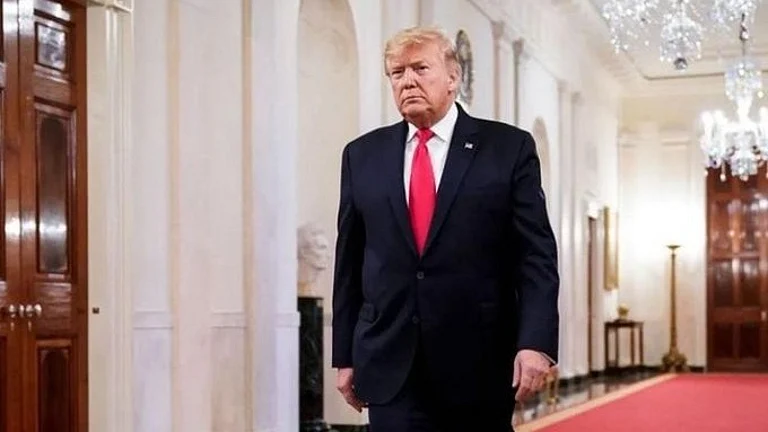
President Donald Trump called a full Cabinet meeting at the White House on Wednesday to deliberate on the next steps in the Iran war, as a fragile ceasefire came under fresh strain following US defensive strikes near the Strait of Hormuz and an Iranian threat of retaliation.
The meeting, originally planned for Camp David but moved to the White House due to bad weather, is expected to bring together all Cabinet members including outgoing Director of National Intelligence Tulsi Gabbard. Trump announced the gathering on Truth Social, with administration officials saying the agenda would span both domestic and foreign policy matters — though Iran was widely expected to dominate proceedings.
The session comes at a moment when US Central Command confirmed that American forces carried out limited strikes earlier this week against Iranian vessels allegedly preparing to lay naval mines in the strait, as well as missile launcher positions near Bandar Abbas.
Washington described the action as defensive, aimed at protecting US aircraft and naval assets while preserving the ceasefire. Iran's Islamic Revolutionary Guard Corps responded with threats of retaliation, raising fears that the diplomatic track could be derailed before a deal is finalised.
Deal Close but Not Done
Having declared over the weekend that an agreement was "largely negotiated" and would be announced "shortly," he subsequently walked that back, acknowledging it was "not even fully negotiated yet." Secretary of State Marco Rubio struck a more measured tone on Tuesday, saying the Strait of Hormuz would be opened "one way or another" but that it would take several more days. "He's either going to make a good deal or no deal," Rubio said of Trump.
The transfer of Iran's stockpile of highly enriched uranium remains the central sticking point, according to officials cited by US media, with the expectation that its precise handling will be worked out over a subsequent 60-day negotiating window if a memorandum is signed. Sanctions relief and the unfreezing of Iranian assets are also unresolved, with both sides maintaining publicly contradictory positions on the sequencing of concessions.
Advertisement
Divisions within Trump's own coalition have added to the pressure.
With midterm elections approaching, rising oil prices and consumer inflation are weighing on public sentiment, giving the White House added incentive to bring the conflict to a close — though on terms it can credibly defend.
Published At: