Pakistan's defence minister called PoK protesters "enemies like India" while defending the security crackdown
At least 32 people were reportedly killed in two days as unrest intensified during PoK assembly elections
India and the UN have raised concerns over the violence, while protesters continue demanding political and economic reforms
'They're Enemies Like India': Pakistan Minister Asif Justifies Killing Of PoK Protesters
Pakistan's Defence Minister Khawaja Asif has described protesters in Pakistan-occupied Kashmir as "enemies like India" and defended the security crackdown that has killed at least 32 people in the past two days.

Summary
Pakistan’s Defence Minister Khawaja Asif has described protesters in Pakistan-occupied Kashmir (PoK) as "enemies like India" and defended the security crackdown that has killed at least 32 people in the past two days.
"I put the protesters of Azad Kashmir in the same category as India and consider them also as enemies like India," Asif said in a video circulating on social media, according to NDTV.
The remarks came amid renewed violence in the Rawalakot area of PoK, where Pakistani security forces have been accused of firing on peaceful protesters. Videos shared on social media showed bodies lying on roads and security personnel firing on civilians.
The unrest in PoK has claimed over 90 lives since June 5, with most of those killed associated with the Joint Awami Action Committee (JAAC), an organisation banned by Islamabad for calling out human rights violations in the area.
Voting Amid Violence
The fresh violence came as voting commenced on Monday for the legislative assembly in PoK across three phases concluding on August 10, taking place against a backdrop of violent clashes, police crackdowns and mounting public anger against Islamabad.
At the heart of the regional discontent lies the electoral structure of the 53-seat PoK legislative assembly. While eight seats are reserved for women, technocrats and clerics, 12 of the remaining 45 seats are set aside specifically for refugees and migrants residing across Pakistan. Local residents have consistently demanded the complete abolition of this reservation system.
The demonstrations, primarily driven by the now-banned JAAC, stem from a combination of administrative failure and severe economic grievances. Protesters have raised concerns over "economic extraction," particularly regarding power distribution, with residents enduring up to 15 to 20 hours of daily load shedding while being charged tariffs several times higher than the actual cost of generation.
Advertisement
India's Response
India's Ministry of External Affairs (MEA) has attributed the unrest to Pakistan's long-standing policies. MEA spokesperson Randhir Jaiswal stated on July 14: "The ongoing protests in Pakistan-occupied Jammu & Kashmir are a direct consequence, and indeed evidence, of decades of exploitation, the denial of fundamental rights, and administrative repression under Pakistan's illegal and forcible occupation of the region."
"We expect the international community to hold Pakistan accountable for these grave human rights abuses," Jaiswal added.
Human Rights Concerns
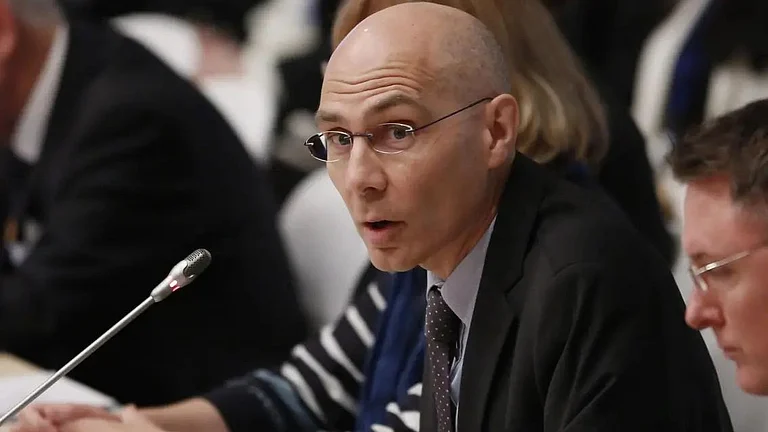
The Office of the United Nations' Human Rights Commissioner has called for "prompt, thorough and impartial investigations into all deaths that have occurred due to the unrest.”
Tensions escalated after Islamabad used anti-terrorism legislation to outlaw the JAAC and detain over 600 civil rights activists and local leaders. Following the ban, JAAC leader Sardar Aman Khan appealed for assistance from India, stating in a widely circulated video: "We need India's help. There is a shortage of rations…"
Advertisement
Published At: