When Ramadan begins, Old Delhi feels different. The narrow lanes near Jama Masjid, Chandni Chowk, and Matia Mahal slow down during the day and come alive after sunset. This historic part of the city welcomes Ramadan with quiet devotion and simple joy. For the people who live here, Ramadan is not just a religious month. It is a time that brings families, neighbours, and even strangers closer.
Ramadan In Old Delhi 2026: Iftar Food Walk, Sehri & Jama Masjid Guide
Experience the magic of Ramadan in Old Delhi 2026. From the legendary kebabs at Karim's to the refreshing Mohabbat-e-Sharbat in Matia Mahal, know the best Iftar and Sehri spots near Jama Masjid. A complete guide to the food, faith, and festive chaos of Purani Dilli.

Ramadan 2026: The Moon Over the Minarets
This year, the holy month is expected to begin on the evening of Wednesday, February 18, 2026, subject to the sighting of the moon. As the sun sets behind the red sandstone of the Jama Masjid, the atmosphere shifts. The usual chaos of the market fades into a reverent silence just before the call to prayer, only to erupt into a feast of gratitude moments later. For anyone visiting, this transition from silence to celebration is the true heartbeat of Old Delhi.
Calm Days of Fasting
During Ramadan, Muslims fast from early morning till sunset. In Old Delhi, the days are peaceful and slow. Many shops open late, streets are less crowded, and people move with patience. Life continues, but at a gentler pace. People focus on work, prayer, and reflection while waiting for evening. This calm routine reflects the true spirit of Ramadan, which teaches self-control, gratitude, and understanding.
Iftar: When the Streets Come Alive
As sunset approaches, Old Delhi begins to wake up. Food stalls are set up, lights glow in small shops, and the smell of freshly cooked food fills the air. When the call to prayer marks the end of the fast, people break their fast with dates and water. This moment of iftar is deeply special. Families sit together, friends meet, and many people share food with others nearby. In Old Delhi, iftar is a shared experience that connects everyone.
Famous Iftar Snacks of Old Delhi
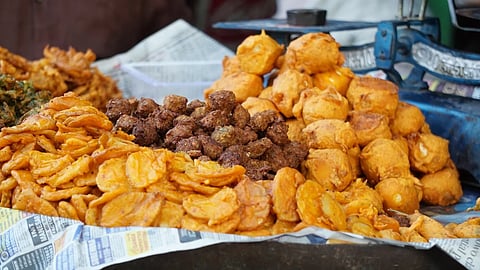
While the streets are full of snacks, there are legendary names that have defined Iftar for decades. In the bustling lane of Matia Mahal, the aroma of melting butter leads you to Aslam Chicken, famous for its rich, buttery roasted chicken. Just a few steps away, the smoke from the charcoal grills of Qureshi Kabab Corner fills the air, offering melt-in-the-mouth seekh kebabs.
Advertisement
Further down, the twin giants of Karim’s and Al Jawahar stand as guardians of Mughlai taste. Here, families gather over plates of mutton korma and hot tandoori rotis, sharing meals that taste exactly as they did fifty years ago. These places are not just restaurants; they are part of the city's soul.
Traditional Flavours That Tell Stories
Ramadan food in Old Delhi is simple, traditional, and full of memories. Dishes are prepared using age-old recipes that families have trusted for years. Grilled kebabs, slow-cooked curries, and fragrant biryani are common sights in the evening. Every bite feels familiar and comforting. These foods are not just eaten to end hunger but are enjoyed as part of a shared tradition.
The Morning Feast of Nihari
While Khajla and Pheni are the traditional sweet start, the true king of Sehri in Old Delhi is Nihari. Long before the sun rises, narrow alleys near the Turkman Gate and Chitli Qabar begin to buzz.
Advertisement
People line up with pots and tiffins at famous spots like Haji Shabrati or Kallu Nihari to buy the slow-cooked, spicy meat stew. Eaten with soft, fluffy Khamiri Roti, this rich meal provides the strength needed for the long day of fasting ahead. It is a heavy, hearty tradition that brings the whole neighbourhood together in the cool hours of the early morning.
Mohabbat-e-Sharbat: A Drink Made with Love

No Ramadan evening in Old Delhi feels complete without a glass of Mohabbat-e-Sharbat. This refreshing drink is made using rooh afza, milk, and pieces of watermelon. Served chilled, it helps people cool down and rehydrate after a long day of fasting. The drink is not just refreshing but also carries emotion and nostalgia, which is why its name means “drink of love.”
Bakeries and Seasonal Treats
Old Delhi’s bakeries play a special role during Ramadan. They are filled with seasonal items that appear only during this holy month. From soft milk cakes and fruit cakes to sheermal and butter-jam breads, these bakery treats are loved by all age groups. People often stand in long lines to take these items home for iftar or sehri. For many families, visiting these bakeries is a Ramadan tradition in itself.
Advertisement
Prayer, Peace, and Togetherness
Prayer remains at the heart of Ramadan. In the evenings, people gather in mosques for Taraweeh prayers. Jama Masjid becomes a beautiful and peaceful place at night, filled with worshippers praying together. Standing side by side, people feel a deep sense of unity and peace. These moments remind everyone of the spiritual meaning of the month.
Kindness That Defines the Month
Ramadan in Old Delhi is also about kindness and sharing. Many people donate food and help those in need. Free iftar meals are shared near mosques and busy streets so that no one has to break their fast alone. This spirit of generosity strengthens community bonds and makes the month truly meaningful.
A Note for Visitors
Reaching Old Delhi during Ramadan evenings can be difficult due to heavy traffic. The best way to join the celebration is to take the Delhi Metro. The Jama Masjid (Violet Line) and Chawri Bazar (Yellow Line) stations are just a short walk away from the main food streets. Walking through the lanes allows you to soak in the atmosphere without the stress of navigating a vehicle.
Advertisement
A Feeling That Stays
As Ramadan ends and Eid approaches, Old Delhi slowly returns to its usual routine. The food stalls become fewer, and nights grow quieter. Still, the feeling of Ramadan stays in people’s hearts. The shared meals, prayers, and small acts of kindness leave lasting memories. Ramadan in Old Delhi is not just experienced once a year. It is remembered, cherished, and looked forward to again and again.
Frequently Asked Questions (FAQs)
Q: When does Ramadan 2026 start in Delhi?
A: Ramadan is expected to begin on the evening of February 18, 2026, depending on the moon sighting in Delhi.
Q: What is the best time to visit Jama Masjid for food during Ramadan?
A: The best time is immediately after the Maghrib prayer (around sunset) for Iftar snacks, or late at night (11 PM onwards) for a proper dinner to avoid the initial rush.
Q: Where can I get the best Mohabbat-e-Sharbat?
A: The most famous spot is a small stall aptly named "Pyar Mohabbat Mazaa" located right opposite the Jama Masjid lane in Matia Mahal.
Q: Is it safe to visit Old Delhi at night during Ramadan?
A: Yes, the area is extremely lively, well-lit, and crowded with families and food lovers until the early hours of the morning (3-4 AM) during Ramadan.
Published At: