For Pulugurtha, the recipes compiled in this book and inherited from her parents, are deeply intertwined with her identity.
These recipes evoke her parents' absent presence and carry nostalgic echoes of past conversations, guidance, affection as well as that of her childhood.
The recipes cover the staggering range of vegetables used in Telugu kitchens.
Review Of ‘The Inheritance Of Taste’
Nishi Pulugurtha's memoir featuring recipes from a Telugu kitchen in Kolkata traces the social and cultural history of Telugu food

Summary
A strange wizardry is at work in food writing: it doesn’t just invoke the taste, form, flavour, smell, colour, texture and traditions of food, but also unexpected discoveries, feelings and a jumble of memories that leave you yearning for more. And if it’s about simple traditional food made at home—cooked by parents who have migrated from their state, and one's caring neighbours as well as one’s extended family which continues to live in their original home and home state, and the simple joys they bring, the writing transcends the page. It connects us to childhoods lived in two different geographical terrains, to two homes; one old, the other new, to the stories each holds; to foods that connect to the local land; to indigenous food cultures, seasonal foods, new and varied local cuisine, and to each of their distinctive emotional attachments and identities.
Nishi Pulugurtha’s The Inheritance of Taste (Readomania), which features recipes from a Telugu kitchen in Kolkata, is all about this and more.
Written as a memoir that also traces the social and cultural history of Telugu food, Pulugurtha ensures that this book is far from dry reading. Her writing style from the beginning is refreshingly light and anecdotal as she intersperses recipes and their traditions with stories that follow her parents' shift from Kakinada to Calcutta after their marriage (she makes a distinction between the world they first inhabited,‘Calcutta ’, and the current world that is ‘Kolkata’), and her journey as well as that of her siblings from birth to adulthood in the City of Joy. It is hard not to love the stories as much as the recipes.
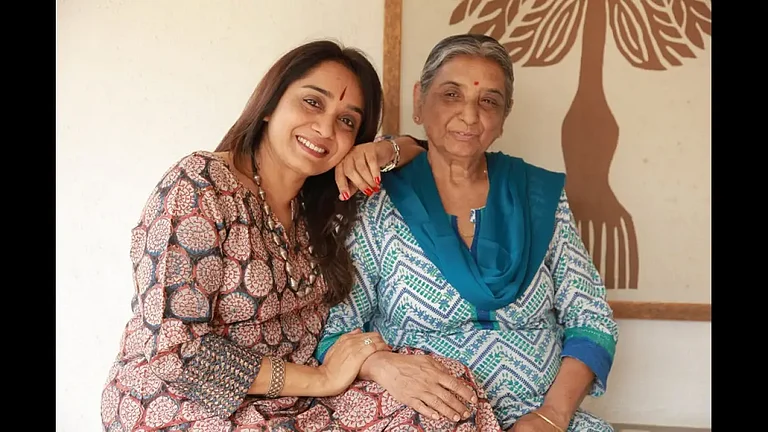
For Pulugurtha, the recipes compiled in this book and inherited from her mother, the late Tayaru Pulugurtha, and her father, the late Hari Pulugurtha, are deeply intertwined with her identity. These recipes evoke her parents' absent presence and carry nostalgic echoes of past conversations, guidance, affection as well as that of her childhood.
Advertisement
One of the first things that strikes readers about the recipes in this collection is that they are simple vegetarian dishes—so simple as to be astounding. The dishes are unapologetically rice-intensive as the region’s hot climate and its fertile river deltas, the Krishna and the Godavari, make rice the centre of the culinary canvas. Pulugurtha, however, makes it clear that the cuisines of Andhra Pradesh and Telangana are not homogeneous, as they are contrasting cultural and geographical entities. She admits to taming the fiery spices and tangy tamarind the Telugu palate prefers in her recipes.
Pulugurtha’s recipes cover the staggering range of vegetables used in Telugu kitchens: potato, raw banana, raw banana flowers and stems, colocasia, ivy gourd, brinjal, bottle gourd, snake gourd, yam, Malabar spinach, arum roots, raw papaya, lady’s finger, beans, broad beans, raw jackfruit, cabbage, spiny gourd, amaranth, tomato, beetroot, pointed gourd and cluster beans. The recipes are very simple, with minimal tempering to preserve the vegetables' flavours. They are either steamed or cooked straight. The trick to each vegetable lies in how it's cut and what it's cooked with, whether coconut or steamed dal.
Advertisement
Dals made from Bengal gram, yellow lentils, whole green lentils, split green lentils and pigeon pea lentils are cooked not in isolation but with a variety of vegetables, making them nutritionally exceptional. Pulugurtha details 13 types of dals, two kinds of rasams (called chaaru in Telugu) and 10 variations of pulusus—the traditional Telugu sour-and-spicy stew made with a tamarind base, which have bold, complex flavours that balance the delicate taste of the vegetables. These stews are cooked with dals, vegetables, curd or coconut. Perarapappu pulusu, mukkala pulusu, bachhali koora majjika pulusu and kaakarkaya pulusu sound like tongue-twisters, but are sure to satiate a gourmet and offer an unforgettable sensory experience.
The long list of pachadis and some raitas adds intense flavour without fat. Podis follow. Made from pulses, nuts, spices and herbs, and boasting texture, flavour and aroma, they are flaunted as south India’s cultural archive with tastes that transcend class, caste and lifestyle. Rice dishes include pongal, pulohora, bissibhele bath and daddojanam, among others. Telugu cuisine would be incomplete without ooragayalu (pickles) and the recipes for the famed avakai, magai and nimmakaya, which are included.
Advertisement
A balanced, complete meal in a Telugu home would ideally include at least one item from each category.

Eighteen tiffins are listed, and among the novelties are atukula (flattened rice upma), pungulu (fried idlis) and dibba roti. A section is devoted to festive eats: sakkara pongal, bobbatu and jantakilu.
A Telugu kitchen is incomplete without a rubbu rollu, a heavy stone grinder used to grind rice and lentils for idlis and dosas while seated; a pressure cooker; an idli stand; and pickle jars. Pulugurtha has an entertaining story about how her uncle ferried the deadly heavy rubbu rollu by train from Kakinada to Calcutta. Though as a modern-day woman, she has learnt to make her peace with today’s contraptions that have replaced the rubbu rollu and its ilk, overriding twinges of regret.
This book is truly about cooking from the heart.
(Chitra Gopalakrishnan pursues fiction, creative non-fiction, poetry, essays, book reviews and opinion pieces. She is based in New Delhi.)
Advertisement
Published At: