Chhath Puja is one of India’s most spiritually intense festivals, dedicated to Surya Dev, the Sun God, and Chhathi Maiya, the divine mother associated with protection, fertility, and family well-being. Across four days, devotees move through purification, fasting, prayer, and gratitude—turning an ancient ritual into a profound journey of discipline, faith, and renewal.
Chhath Puja Special: The Spiritual Meaning Behind Four Days Of Sacred Rituals
Explore the spiritual significance of Chhath Puja and understand the meaning behind its four sacred days, including Nahay Khay, Kharna, Sandhya Arghya, and Usha Arghya, along with the rituals, fasting traditions, and prayers dedicated to Surya Dev and Chhathi Maiya.

A Festival of Gratitude:
At its heart, Chhath Puja is an act of thanksgiving to the Sun, which sustains life, light, warmth, and growth on Earth. Devotees honour Surya as the source of energy and vitality, while Chhathi Maiya is worshipped as a protective maternal force who blesses children, families, and households.
What makes Chhath distinctive is its direction of worship: devotees offer prayers both to the setting Sun and the rising Sun. This dual offering reflects a deeper spiritual truth—that endings and beginnings are part of the same sacred cycle, and that gratitude should accompany every stage of life.
The festival is especially prominent in Bihar, Jharkhand, eastern Uttar Pradesh, parts of Nepal, and among Indian communities worldwide. Yet its message reaches beyond geography: it speaks of humility before nature, devotion within family, and strength found through self-restraint.
Day One: Nahay Khay
The first day, Nahay Khay, literally means “bathe and eat.” Devotees begin with a holy bath in a river, pond, or other sacred water body, then clean their homes and prepare a simple, satvik meal.
The traditional food often includes rice, chana dal, and bottle gourd, cooked with purity and care. This meal is not merely nourishment; it marks the beginning of a spiritual discipline in which the body, home, and mind are prepared for the days ahead.
Spiritually, Nahay Khay represents cleansing. Just as devotees wash away physical impurities, they also seek to release negativity, distraction, and ego before entering the deeper observance of Chhath.
Day Two: Kharna
The second day, known as Kharna or Lohanda, is marked by a day-long fast. Devotees abstain from food and water throughout the day, dedicating their thoughts to prayer, service, and preparation for the evening offering.
After sunset, the fast is broken with a sacred meal of jaggery kheer, roti, and fruits. This prasad is first offered to Surya Dev and Chhathi Maiya, then shared with family and neighbours, reinforcing the festival’s spirit of community and generosity.
Kharna teaches an important lesson: devotion is not only about giving something up but also about receiving grace with humility. The sweetness of the kheer symbolises the sweetness that faith can bring into a life of effort and sacrifice.
Advertisement
Day Three: Sandhya Arghya
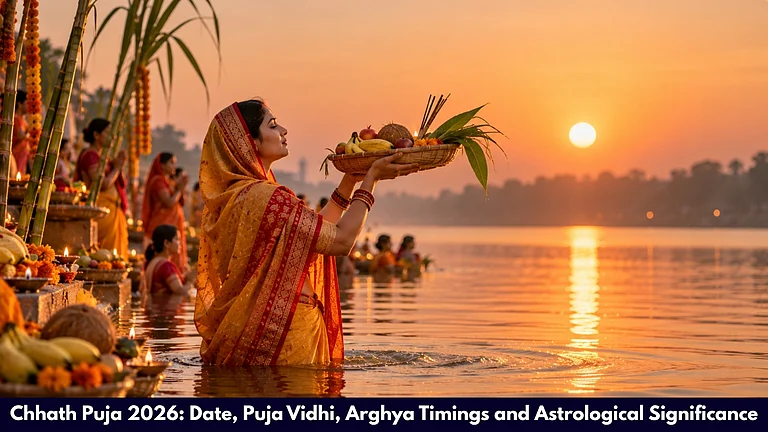
The third day, Sandhya Arghya, is often considered the emotional and spiritual centre of Chhath Puja. Devotees gather at riverbanks, ponds, and specially prepared ghats as the Sun begins to set.
Standing waist-deep in water, they offer arghya—water, milk, flowers, fruits, and traditional prasad—to the setting Sun. Bamboo baskets called 'soops' carry offerings such as thekua, kasar, sugarcane, bananas, coconut, and seasonal fruits.
This ritual is visually striking, but its meaning is even deeper. By offering prayer at sunset, devotees acknowledge decline, impermanence, and the closing of a day—yet they do so with faith that light will return. Sandhya Arghya becomes a meditation on hope, resilience, and trust in life’s cycles.
Folk songs, family gatherings, and collective prayer turn the riverbank into a living temple. The atmosphere is not one of sorrow but of reverence: a community standing together in devotion as daylight fades.
Day Four: Usha Arghya
The final day begins before dawn, as devotees return to the water’s edge to offer Usha Arghya to the rising Sun. This moment completes the ritual cycle and represents renewal, awakening, and the triumph of light after darkness.
Advertisement
After the morning offering, devotees break their 36-hour nirjala fast through Parana, consuming prasad, water, and sometimes ginger-infused water. The fast, observed without food or water, is among the most demanding acts of devotion in the festival.
Usha Arghya carries a powerful message: no matter how long the night, the sun rises again. For devotees, it is a reminder that patience, faith, and perseverance can carry a family through hardship and into a new beginning.
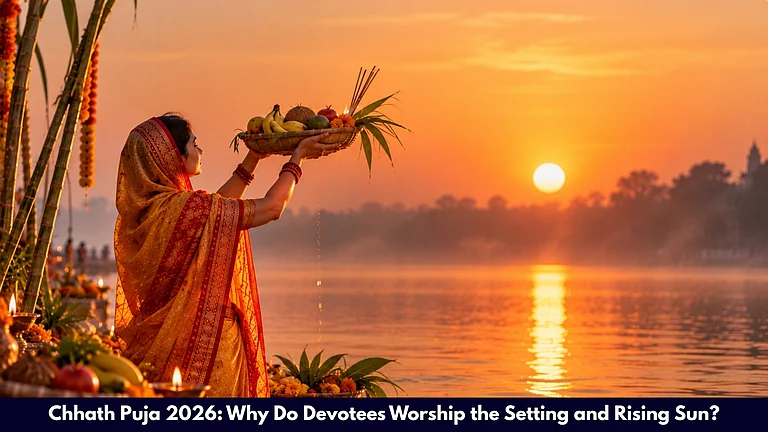
Chhath Puja is often described as a festival of the Sun, but it is equally a festival of the Earth, water, family, and community. The rituals bring people to rivers and ghats, reminding them that human life depends on natural elements that deserve respect and protection.
The four days form a spiritual arc: purification on the first day, discipline on the second, surrender at sunset on the third, and renewal at sunrise on the fourth. Together, they mirror the journey of the soul—from cleansing, through endurance, to gratitude and rebirth.
Advertisement
In a fast-moving world, Chhath Puja asks devotees to slow down, stand still, and look towards the sky. It is a celebration not just of ritual but of resilience, humility, and the eternal bond between humanity and the life-giving Sun.
Published At: