Democratic Senator Alex Padilla introduced the 'Renewing Immigration Provisions of the Immigration Act of 1929' bill to modernise US registry laws.
The proposed legislation replaces the fixed 1972 eligibility cutoff with a rolling seven-year continuous US residency requirement for permanent residency.
Over eight million immigrants, including highly skilled Indian H-1B visa holders facing backlogs, could benefit from this pathway.
New US Bill Proposes Easier Green Card Pathway; Indian H-1B Visa Holders Could Benefit The Most
The proposal surfaces during President Donald Trump's continued anti-immigration push though Its passage currently remains a pipe dream, as Republicans are working in the opposite direction

Summary
Under a new bill introduced by Democratic California Senator Alex Padilla, individuals living continuously in the country for seven years can apply for Green Cards. The legislation would benefit over 8mn people, including highly skilled Indian H-1B visa holders with clean criminal records who meet existing eligibility rules. Padilla said the move updates a registry rule untouched since 1986.
The proposal surfaces during President Donald Trump's continued anti-immigration push though Its passage currently remains a pipe dream, as Republicans are working in the opposite direction.

Modernizing the Registry
The bill modifies an old law. Titled the 'Renewing Immigration Provisions of the Immigration Act of 1929', the draft legislation proposes changes to Section 249 of the Immigration and Nationality Act. This section, known as the Registry, empowers the Homeland Security secretary to authorize green cards for qualified individuals who arrived before a designated cutoff.
Currently, the Registry maintains a fixed eligibility cutoff date of January 1, 1972. Authorities have not updated this specific immigration provision since 1986. The newly proposed legislation drops the fixed timeline in favour of a rolling seven-year residency requirement. This operational shift would take effect 60 days after enactment.
Padilla said, "Congress cannot continue to ignore millions of long-term residents who contribute to our economy and communities every day. It's past time to modernize our immigration laws and create a fair pathway to lawful permanent residency."
Impact on Immigrants
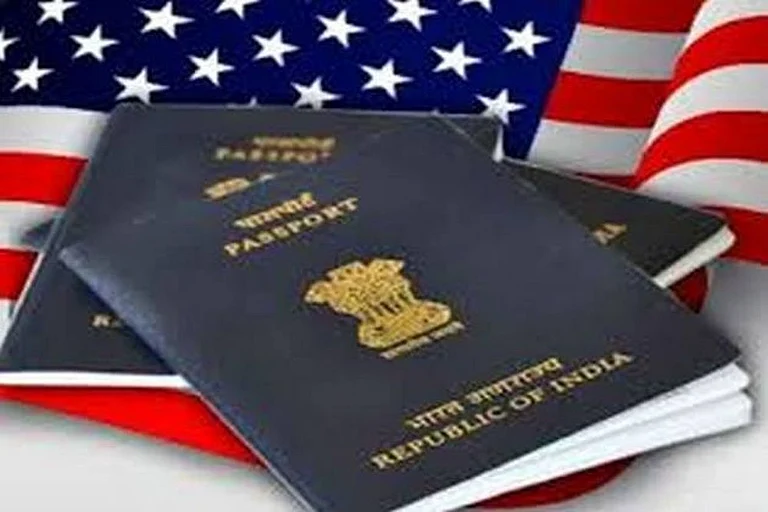
The measure covers Dreamers, individuals with Temporary Protected Status, essential employees and children of long-term visa recipients. Highly skilled professionals, including H-1B visa holders waiting years for employment-based residency, would also qualify under the new rules.
Indian professionals stand to gain the most as they comprise a major share of H-1B visa holders. Currently, strict caps on employment-linked green cards force these skilled workers to face decades of waiting.
Advertisement
"A year ago, I introduced this bill to push back against the Trump administration's cruel treatment of hardworking immigrants," Padilla said in an official statement.
Padilla added, "Since then, President Trump's campaign of fear has only escalated, with families living under constant uncertainty despite having built their lives in this country."
Senate Democratic Whip Dick Durbin serves as the co-lead for the measure alongside 14 co-sponsors. Concurrently, Representative Zoe Lofgren directs the companion legislation within the House.
Published At:
Tags