Algeria’s parliament has approved a deployment of army units to Niger to protect shared energy and economic interests, with the timing and number of personnel yet to be announced
The decision follows the arrival of four Algerian Su-30 fighter jets in Niamey in August, when Niger’s authorities sought military support after an attempted uprising
Energy cooperation, including the proposed Trans-Saharan Gas Pipeline and oil exploration in Niger, is central to the closer relationship, as regional insecurity adds pressure for stronger security coordination
Energy Routes And Sahel Insecurity: Why Algeria Is Expanding Its Military Role In Niger
President Abdelmadjid Tebboune’s decision to send army units to Niger marks a significant expansion of security cooperation between the neighbours, as shared energy projects and regional instability bring their strategic interests closer together.

Summary
Algeria has approved the deployment of its military units to neighbouring Niger to protect shared energy and economic interests, marking a rare overseas military commitment by a country whose armed forces have traditionally operated within its borders.
President Abdelmadjid Tebboune announced the decision on Monday, following the approval of his notification by Algeria’s two parliamentary chambers a day earlier. The Council of the Nation, the upper house, approved the notification unanimously, while the People’s National Assembly endorsed it by a majority.
The decision follows the arrival of four Algerian Su-30 fighter jets in Niger’s capital, Niamey, on August 30, accompanied by an Il-76 military transport aircraft and an Il-78 aerial refuelling aircraft. Niger’s President Abdourahamane Tiani said the deployment had been requested by his government to support the country’s defence and security forces.
The Algerian presidency said the latest decision was intended to protect the two countries’ common energy and economic interests.
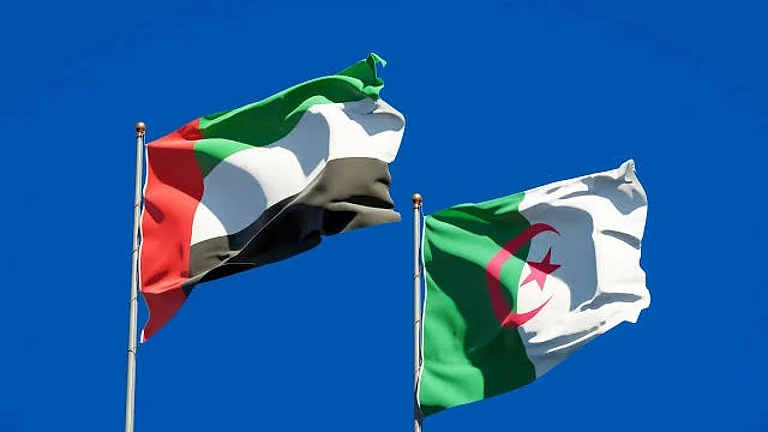
A Rare Military Move
Article 91 of Algeria’s 2020 Constitution allows the president to send units of the People’s National Army abroad, subject to approval by two-thirds of each parliamentary chamber. The provision creates a constitutional route for overseas deployments while requiring parliamentary authorisation.
The August deployment followed what Niger’s authorities described as an attempt to destabilise the country during the night of August 28-29. Tiani thanked Tebboune for Algeria’s support and its opposition to foreign interference in Niger’s internal affairs.
According to Niger’s state news agency, Tiani described the deployment as only the second time in Algeria’s history that its army had crossed the country’s borders to support another nation. The episode underscores the exceptional nature of the move, even as the latest parliamentary approvals give the deployment a formal constitutional basis.
The decision also reflects closer defence engagement between the two governments. Tebboune received Niger’s Defence Minister, General Salifou Modi, in Algiers on October 21, shortly before the parliamentary proceedings.
Advertisement
Energy And Security
Energy cooperation provides a major economic rationale for the closer relationship. Algeria’s state energy company Sonatrach and Niger’s public company Sonidep are working together on oil exploration and petroleum supplies.
On August 13, the companies launched preparations for drilling four exploration wells in Niger’s Kafra permit, a project intended to assess the area’s commercial potential. Two days later, Sonatrach delivered its first shipment of Jet A1 aviation fuel to Niger under a supply agreement with Sonidep.
Algeria is also pursuing the Trans-Saharan Gas Pipeline, a proposed 4,000-kilometre project linking Nigeria, Niger and Algeria. Construction of the Algerian section was officially launched in June, while Algerian energy officials visited Niger in September to advance bilateral cooperation on the project.
These investments give Algiers a direct economic interest in stability across its southern neighbourhood. Protecting shared infrastructure and commercial projects is therefore central to understanding the deployment, although the authorities have not disclosed its precise operational scope, duration or rules of engagement.
Advertisement
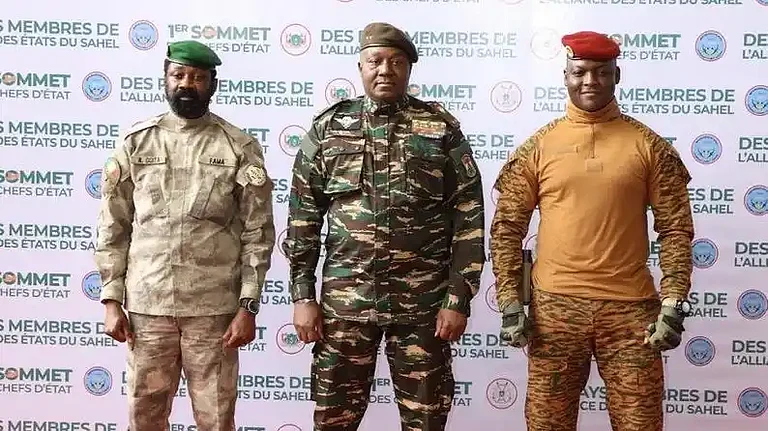
Regional Implications
Niger has been governed by a military-led administration since the July 2023 coup. Its security challenges and strained relations with some external partners have made regional alliances increasingly important to its government.
Algeria’s decision to deploy military units gives its relationship with Niamey a more direct security dimension alongside existing energy and economic cooperation. It also signals Algiers’ willingness to provide practical support to a neighbouring government while emphasising sovereignty and opposition to foreign interference.
However, the deployment’s longer-term implications remain unclear. Neither the Algerian presidency nor the parliamentary announcements have detailed the number of personnel involved, the duration of the mission or whether additional aircraft and ground units will follow.
For now, the move links Algeria’s security posture to the protection of shared strategic interests in Niger, while opening a new phase in a relationship increasingly shaped by military cooperation, energy projects and regional instability.
Advertisement
Published At: