Baisakhi, the vibrant harvest festival of Punjab, marks the beginning of the Punjabi New Year and celebrates the joy of abundance, gratitude, and togetherness. Observed every year in mid-April, this festival holds deep cultural and spiritual significance, especially for the Sikh community, as it commemorates the formation of the Khalsa Panth by Guru Gobind Singh in 1699.
Baisakhi 2026 Recipes: 12 Traditional Punjabi Dishes To Make At Home
Celebrate Baisakhi 2026 with a rich spread of traditional Punjabi dishes, from sarson ka saag and chole bhature to gajar halwa and kheer. These festive recipes bring together bold flavours, comforting textures, and the essence of Punjab’s culinary heritage.

Beyond its religious importance, Baisakhi is also a celebration of food, family, and festive spirit. Homes are filled with the aroma of rich, comforting dishes prepared with love, while gurudwaras serve wholesome langars that bring people together irrespective of background. Punjabi cuisine, known for its bold flavours, generous use of ghee, and hearty ingredients, becomes the heart of every Baisakhi celebration.
If you are planning to celebrate Baisakhi 2026 at home, here is a thoughtfully curated list of traditional Punjabi dishes, including indulgent sweets like badam halwa and gajar halwa, that will help you create a festive and memorable spread.
Sarson Ka Saag with Makki Di Roti

Sarson ka saag with makki di roti is perhaps the most iconic Punjabi dish associated with harvest celebrations. The saag is prepared using fresh mustard greens, often combined with spinach and bathua, and slow-cooked to bring out deep, earthy flavours. It is tempered with garlic, ginger, and green chillies, and finished with a generous dollop of white butter or ghee. Makki di roti, made from cornmeal, perfectly complements the saag with its rustic texture. This wholesome combination reflects the agricultural richness of Punjab and is both nourishing and deeply satisfying.
Chole Bhature

Chole bhature is a festive favourite that adds indulgence to any celebration. The chickpeas are cooked in a spicy, tangy gravy infused with aromatic spices like cumin, coriander, and garam masala. The bhature, deep-fried until golden and fluffy, provide the perfect contrast in texture. Often served with pickles, onions, and a glass of lassi, this dish is a complete meal in itself and is loved for its bold and comforting flavours.
Punjabi Kadhi Pakora

Punjabi kadhi pakora is a comforting dish that brings a balance of tangy and savoury flavours to the table. Made with a yogurt and gram flour base, the kadhi is slow-cooked to achieve a rich, slightly sour taste. Crispy pakoras made from onions or vegetables are added to the curry, soaking up its flavours beautifully. A tempering of mustard seeds, curry leaves, and dried red chillies enhances its aroma. Served with steamed rice, this dish is simple yet deeply satisfying.
Advertisement
Dal Makhani

Dal makhani is synonymous with Punjabi cuisine and is a must-have for any festive meal. Made with whole black lentils and kidney beans, it is slow-cooked for hours to achieve its signature creamy texture. Butter and cream are added generously, giving the dish its rich and luxurious taste. The slow cooking process allows the spices to blend perfectly, resulting in a dish that is both comforting and indulgent. It pairs wonderfully with naan, roti, or jeera rice.
Rajma Chawal
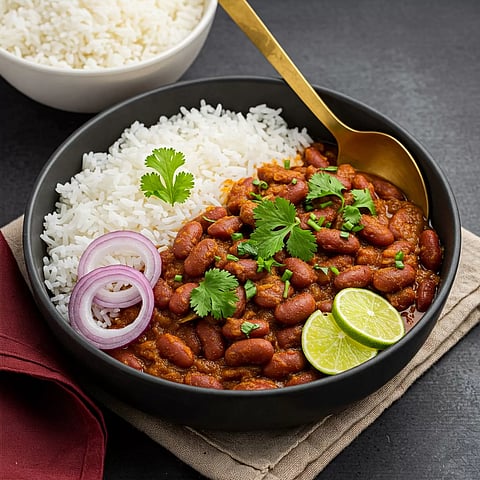
Rajma chawal is a beloved comfort food that holds a special place in Punjabi households. The kidney beans are cooked in a thick, spiced tomato gravy that is both hearty and flavourful. When served with steamed rice, it creates a wholesome and fulfilling meal. The simplicity of this dish, combined with its rich taste, makes it a staple during festive as well as everyday meals.
Amritsari Kulcha

Amritsari kulcha is a delicious stuffed flatbread known for its crispy exterior and soft, flavourful filling. Traditionally cooked in a tandoor, it is usually stuffed with spiced potatoes, onions, or paneer. The kulcha is brushed with butter and served hot with chole, pickles, and chutney. Its rich taste and satisfying texture make it a popular choice during celebrations.
Advertisement
Paneer Tikka

Paneer tikka is a popular appetizer that adds a smoky and spicy touch to the festive spread. Cubes of paneer are marinated in yogurt and a blend of spices, then grilled or roasted until slightly charred. The result is a dish that is both juicy and flavourful, with a hint of smokiness. Served with mint chutney and onion rings, it is a perfect starter for any Baisakhi feast.
Aloo Gobi

Aloo gobi is a simple yet flavourful dry curry made with potatoes and cauliflower. Cooked with turmeric, cumin, and other spices, this dish is light compared to richer gravies but equally satisfying. Its homely taste and balanced flavours make it an essential part of a traditional Punjabi meal, offering variety to the festive platter.
Kada Prasad

Kada prasad is not just a dish but a sacred offering that holds deep spiritual significance. Prepared with whole wheat flour, ghee, and sugar, it is cooked slowly until it reaches a rich, halwa-like consistency. Served in gurudwaras, it symbolises equality and blessings. Its simple ingredients and divine taste make it an integral part of Baisakhi celebrations.
Advertisement
Rice Kheer

Rice kheer is a timeless dessert that adds sweetness to the festive meal. Made by simmering rice in milk until it becomes creamy, it is flavoured with cardamom and garnished with nuts like almonds and cashews. The slow cooking process enhances its richness, making it a comforting and celebratory dessert enjoyed by all age groups.
Gajar Ka Halwa

Gajar ka halwa is a classic Indian dessert that is especially loved during festive occasions. Fresh grated carrots are slow-cooked in milk, ghee, and sugar until they turn soft and aromatic. The addition of dry fruits and cardamom enhances its flavour, while the rich texture makes it truly indulgent. This dessert brings warmth and nostalgia to the Baisakhi table.
Badam Halwa

Badam halwa is a luxurious dessert that adds a royal touch to the celebration. Made from finely ground almonds, ghee, sugar, and saffron, it has a rich, melt-in-the-mouth texture. The slow cooking process allows the flavours to develop beautifully, resulting in a dish that is both aromatic and decadent. Often served warm, badam halwa is perfect for special occasions like Baisakhi.
Advertisement
The Essence of a Baisakhi Feast
A Baisakhi feast is more than just a collection of dishes; it is a celebration of culture, gratitude, and togetherness. Each recipe reflects the essence of Punjabi traditions, where food is prepared with love and shared with joy. The use of fresh ingredients, bold spices, and slow cooking techniques creates meals that are both nourishing and flavourful.
Preparing these dishes at home allows you to connect with the spirit of the festival while creating memorable moments with family and friends.
Final Thoughts
As Baisakhi 2026 approaches, bringing these traditional Punjabi dishes to your table is a wonderful way to celebrate the festival. Whether you prepare a grand feast or a simple meal, the joy lies in the act of cooking, sharing, and embracing tradition.
Celebrate this Baisakhi with warmth, gratitude, and a spread of delicious homemade food that truly captures the heart of Punjab.
Frequently Asked Questions
1. What food is prepared on Baisakhi?
Traditional dishes include sarson ka saag, makki di roti, chole bhature, kadhi pakora, and sweets like kheer and halwa.
2. What are easy Baisakhi recipes to make at home?
Simple recipes include rajma chawal, aloo gobi, paneer tikka, and kheer, which require basic ingredients and minimal prep.
3. What sweets are made during Baisakhi?
Popular sweets include gajar ka halwa, badam halwa, kada prasad, and rice kheer.
4. Is Baisakhi food vegetarian?
Most traditional Baisakhi dishes are vegetarian, especially those served in gurudwaras and homes.
5. What is the most famous Punjabi dish for festivals?
Sarson ka saag with makki di roti is considered one of the most iconic Punjabi festive dishes.
6. Can I prepare Baisakhi food in advance?
Yes, dishes like dal makhani, rajma, and sweets can be prepared in advance and reheated before serving.
Published At: