


LIGHTING MORE THAN HOMES
Rooted in the Tata ethos of care, inclusivity and sustainability, Tata Power DDL’s CSR initiatives are creating shared values by lighting paths to health, learning, self-reliance and hope across Delh
Beyond the speed and sparkle of a city like Delhi lies a quieter, often unseen reality. For many families, access to healthcare remains limited, economic pressures interrupt education, thousands of women continue to live on the margins of skills and livelihoods, and children with special needs grow up without adequate support. In these communities, development is not an abstract promise, it is a daily pursuit of dignity, opportunity and hope.
It is within this lived reality that Tata Power Delhi Distribution Limited (Tata Power-DDL) has shaped its approach to corporate social responsibility -- not as a parallel activity, but as a core expression of purpose. Rooted in the Tata ethos of care, inclusivity and sustainability, the company’s CSR initiatives aim to address long-standing social gaps through practical, people-centred and long-term solutions
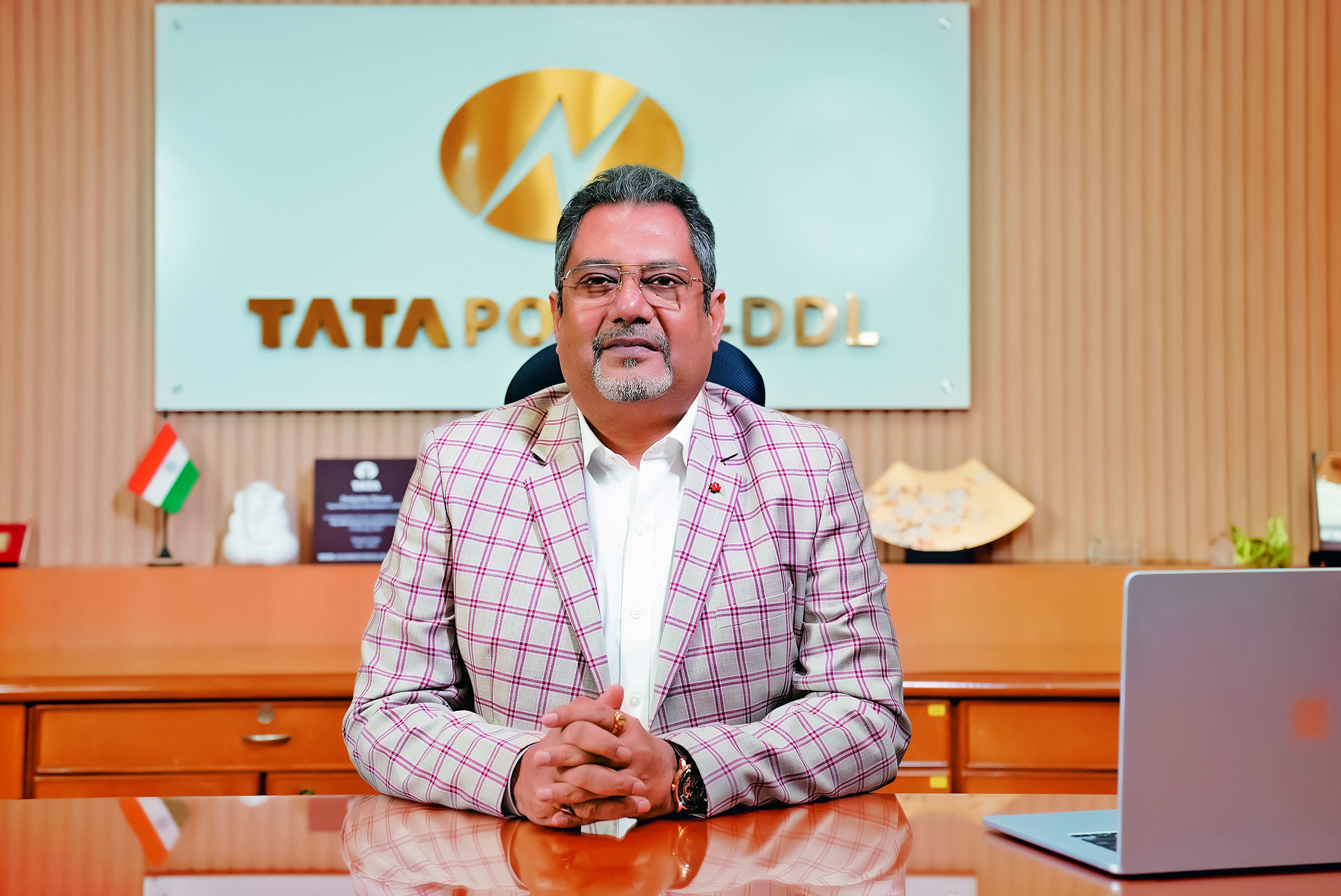
As Mr. Dwijadas Basak, CEO, Tata Power Delhi Distribution Limited, puts it: “At Tata Power-DDL, our vision of leadership goes far beyond the scale of operations. It is about creating meaningful, lasting impact in the lives of the communities we serve.
Tata Power DDL’s CSR work is guided by its Social Impact Group, which operates across four focused pillars—Ujjawal (Education & Employability), Unnati (Women Empowerment & Livelihoods), Sanjeevani (Community Health), and Club Enerji (Climate Awareness). Together, these pillars reflect a consistent belief: that true progress comes from building capabilities, self reliance and resilience within communities.
“Through these focused interventions, we strive to create shared value, empower communities, and drive inclusive, long-term transformation,” Mr. Basak adds. “Our initiatives expand access to quality education, build employable skills, promote self-reliance, strengthen healthcare outreach, and nurture a generation committed to sustainability."
Across neighbourhoods, classrooms, clinics and community spaces, this philosophy translates into action, quietly reshaping lives.
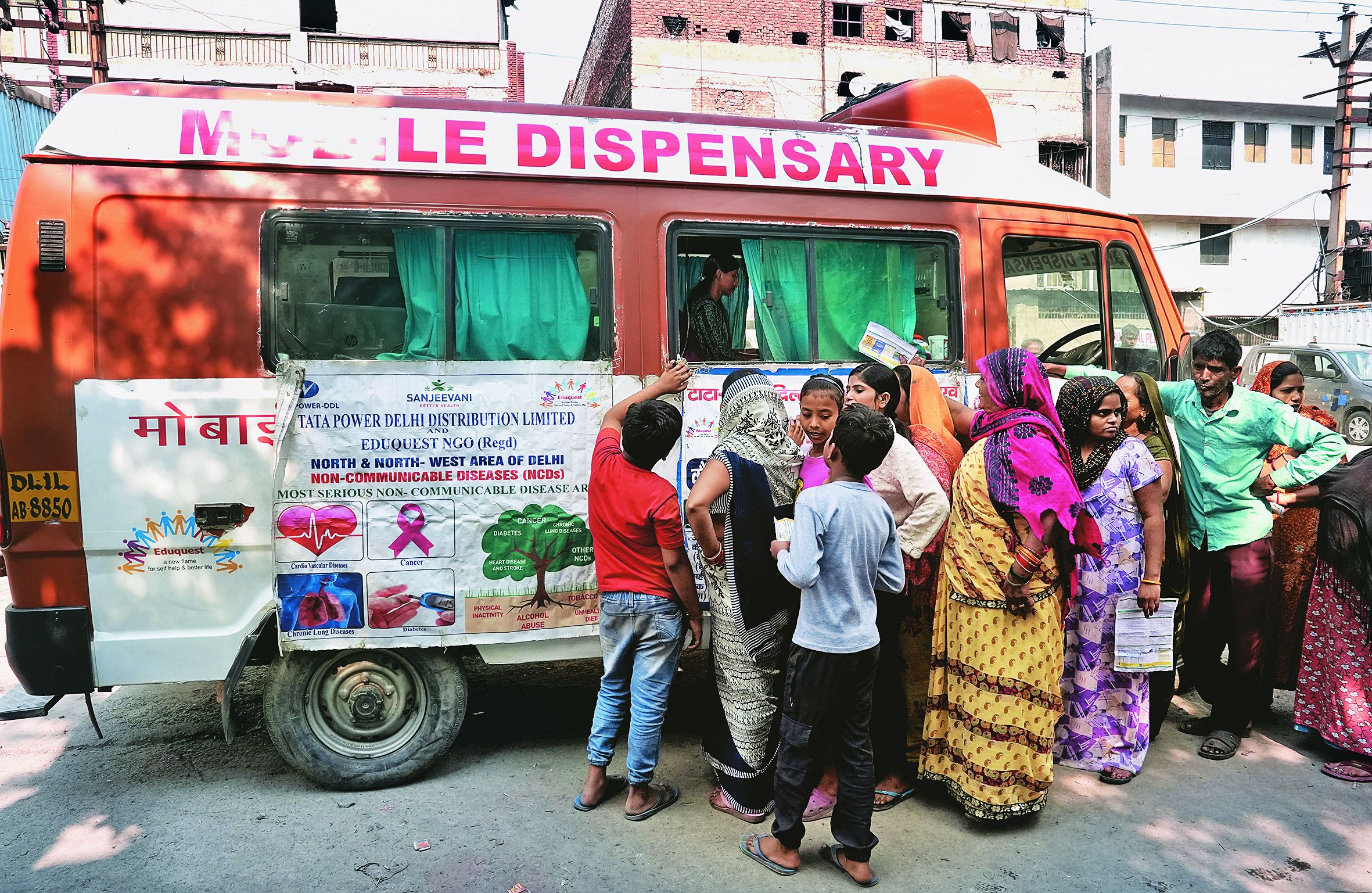
Healthcare that travels the last mile; Sanjeevani’s mobile dispensary serving families in Delhi's JJ clusters
By bringing doctors, diagnostics and medicines directly into underserved neighbourhoods, Sanjeevani removes distance, cost and hesitation from healthcare
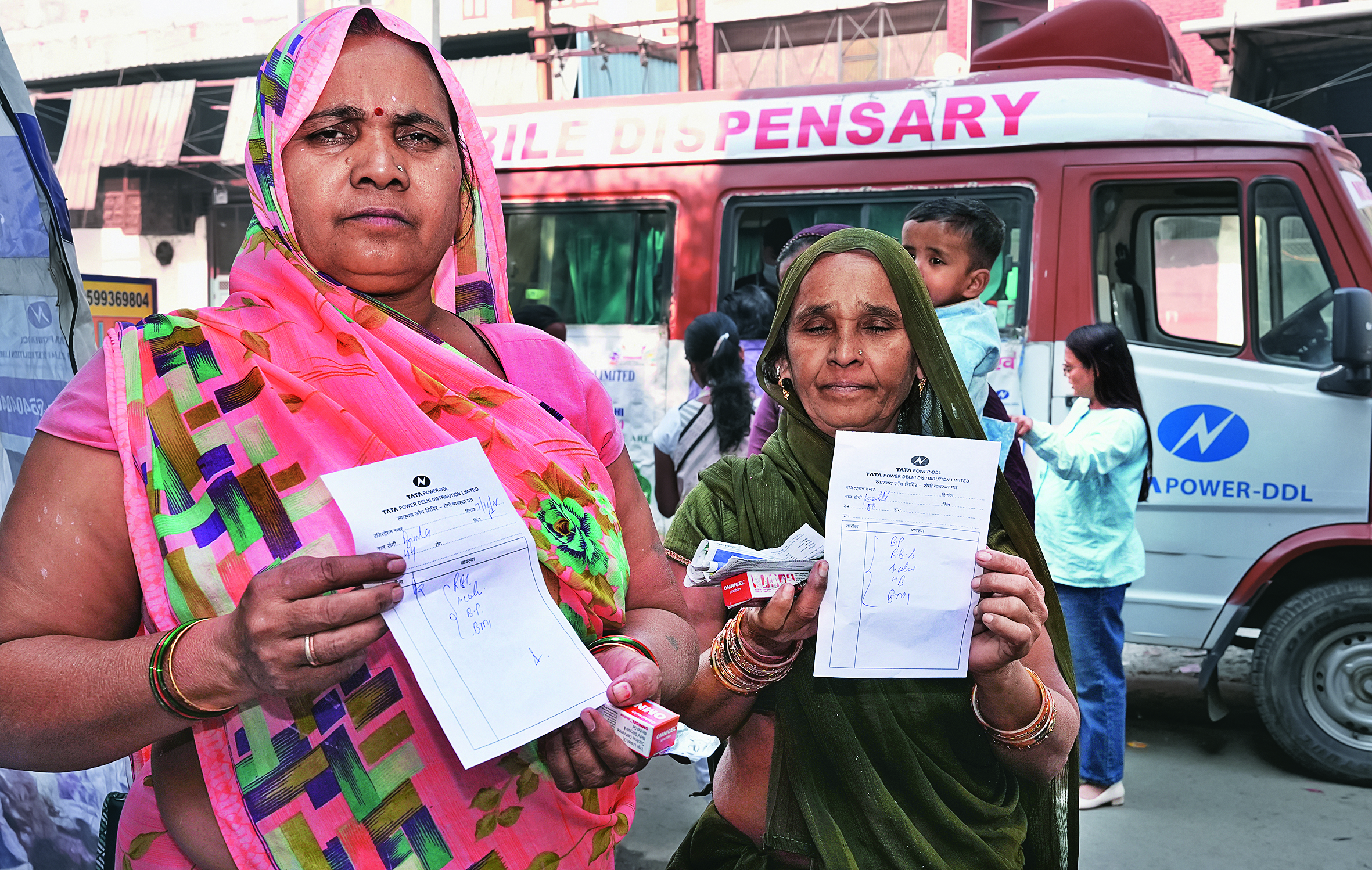
Timely diagnosis and zero cost -- free medical tests bringing reassurance to everyday lives
Healthcare is the foundation of well-being, yet for many families in Delhi’s JJ clusters and rural fringes, quality medical care remains difficult to access. High costs, long travel distances and loss of daily wages often delay treatment. To address this gap, Tata Power-DDL launched ‘Sanjeevani’, its flagship community healthcare initiative.
Designed to reach people who cannot afford private hospitals or long visits to government facilities, Sanjeevani takes healthcare directly into neighbourhoods. At locations such as the Udham Singh Park JJ Clusters in Wazirpur, mobile dispensaries provide free medical consultations, medicines and diagnostic support
The Sanjeevani CSR initiative of Tata Power–DDL has steadily widened its reach and services over time. What began with blood pressure monitoring and basic OPD care has evolved into a more comprehensive healthcare support system. Today, the programme offers free OPD consultations along with medicines and essential blood tests. A key strength of Sanjeevani is its Lab on Wheels - a mobile diagnostic unit that accompanies the dispensary. Recognising that medical tests are often unaffordable for daily wage workers, the mobile lab enables timely diagnostics, with test reports in most cases delivered to patients on their mobile phones the very same day
Currently, five mobile dispensaries operate under Sanjeevani -- three in JJ clusters and two in rural areas. Each unit is staffed with a senior MBBS doctor, a pharmacist, a female attendant and a trained laboratory team, ensuring quality care
The initiative goes beyond routine treatment. Special emphasis is placed on breast cancer awareness and early detection, in collaboration with institutions such as the Rajiv Gandhi Cancer Institute. For children aged 0–5 years, the Arogya Yojana focuses on identifying and treating malnutrition and common childhood illnesses. Regular blood donation camps and eye check-up camps are also organised
Trained community health workers known as Abha play a critical role in outreach. These workers conduct door-to-door surveys and inform residents about the dispensary schedule, encouraging people not to hide illnesses and to seek timely medical consultation so that the service reaches everyone who needs it
For Priyanka, a 28-year-old pregnant woman from Wazirpur, Sanjeevani has made healthcare accessible and affordable. Earlier, visiting a doctor meant losing an entire day. Now, consultations and medicines are available close to home. Her first child was also treated under the Arogya Yojana, easing the family’s financial burden
Senior physician Dr Snehalata Rewaria, with over 40 years of experience, highlights the health patterns she observes. “Thyroid disorders, allergies,
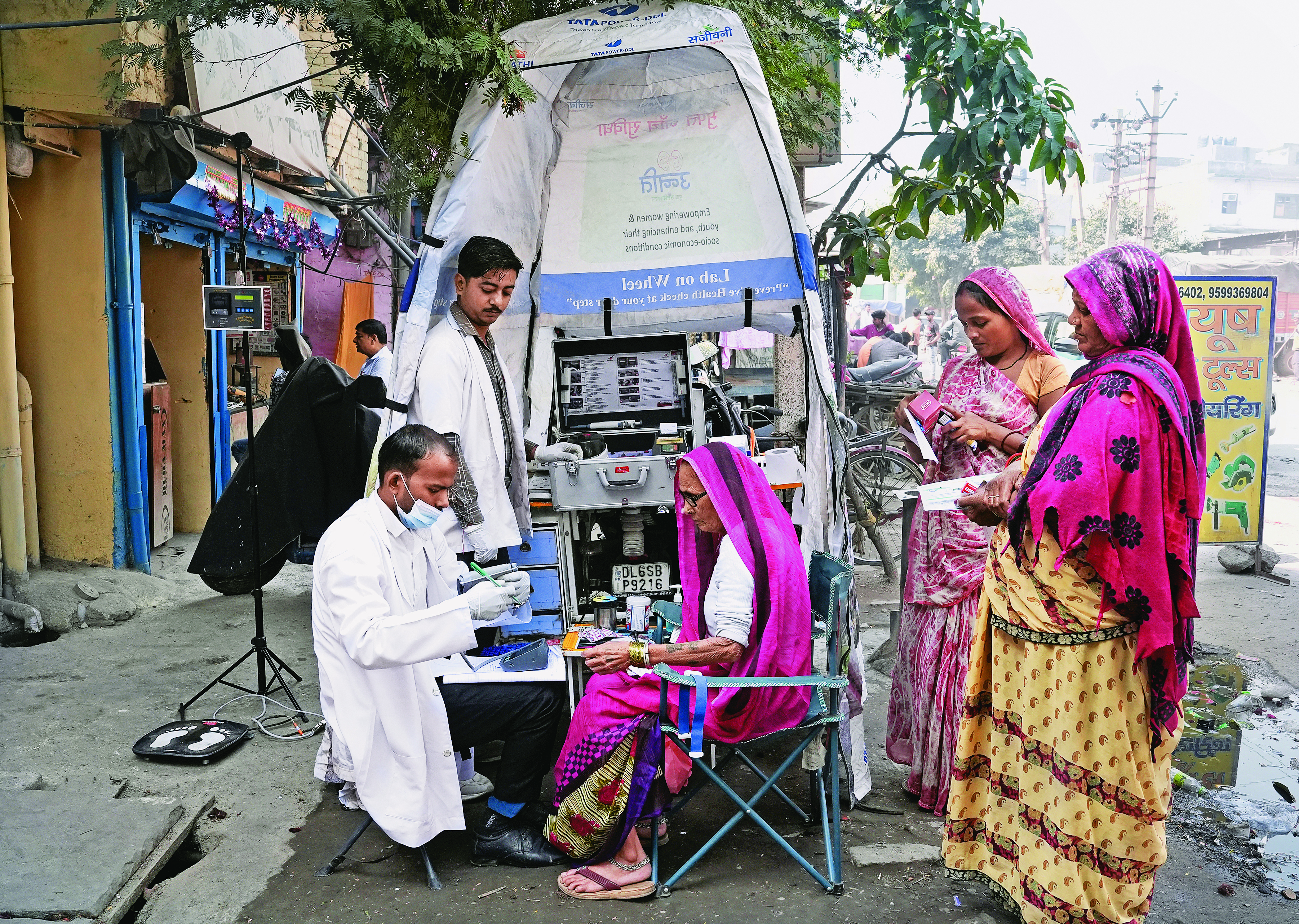
Care delivered with dignity -- doctors and health workers reaching patients where they live.
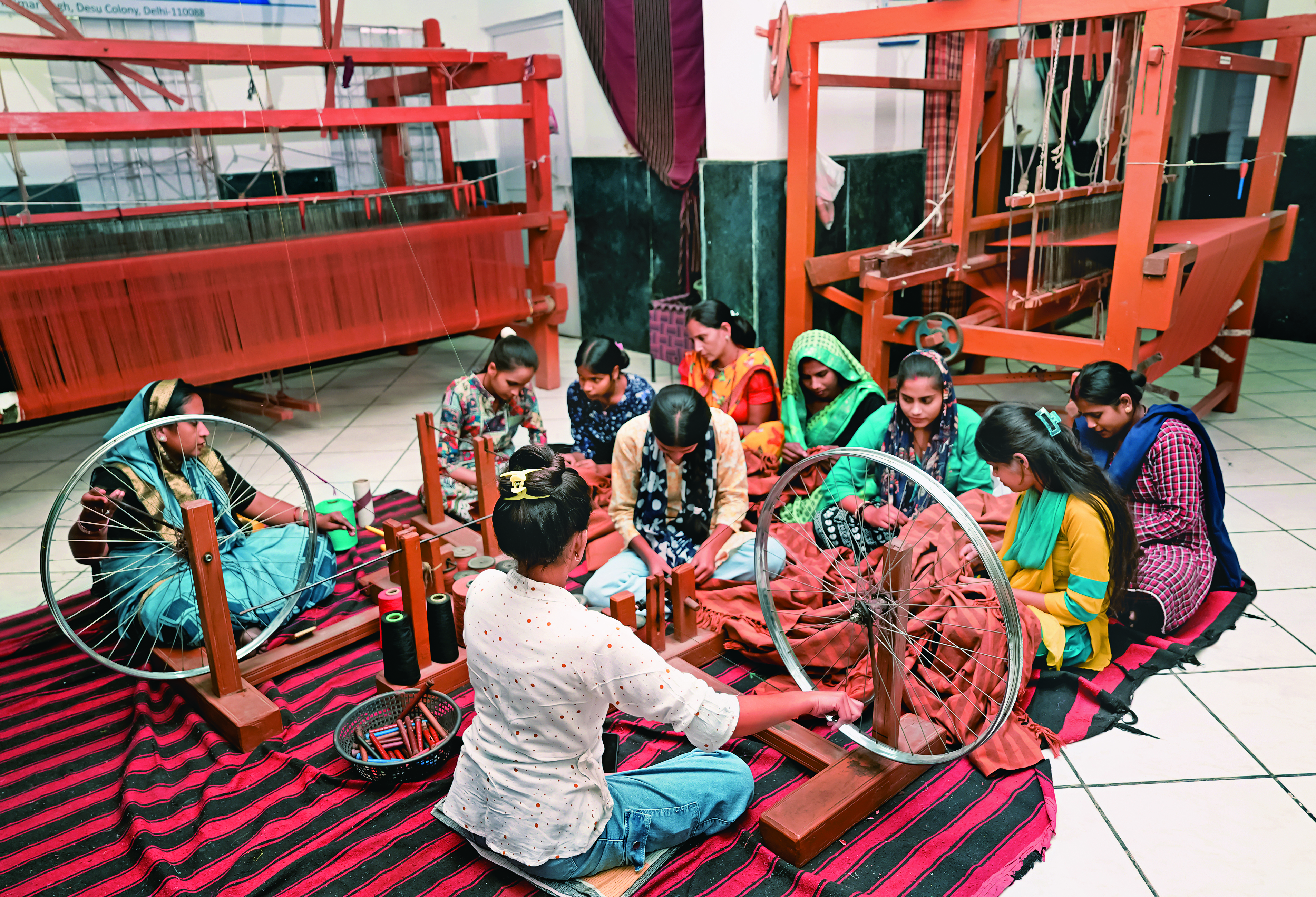
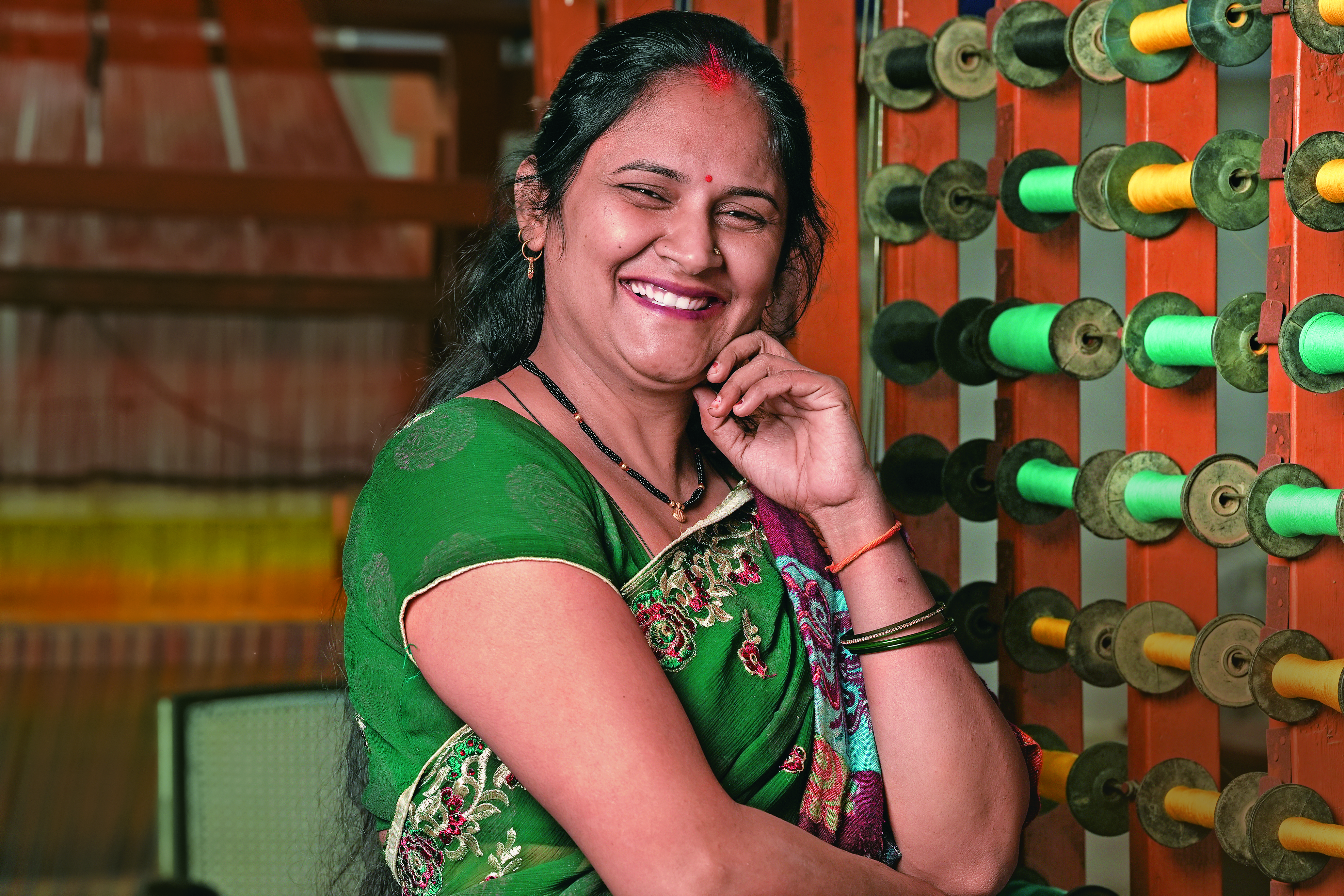
From homemakers to skilled artisans -- women building livelihoods, confidence and collective strength.
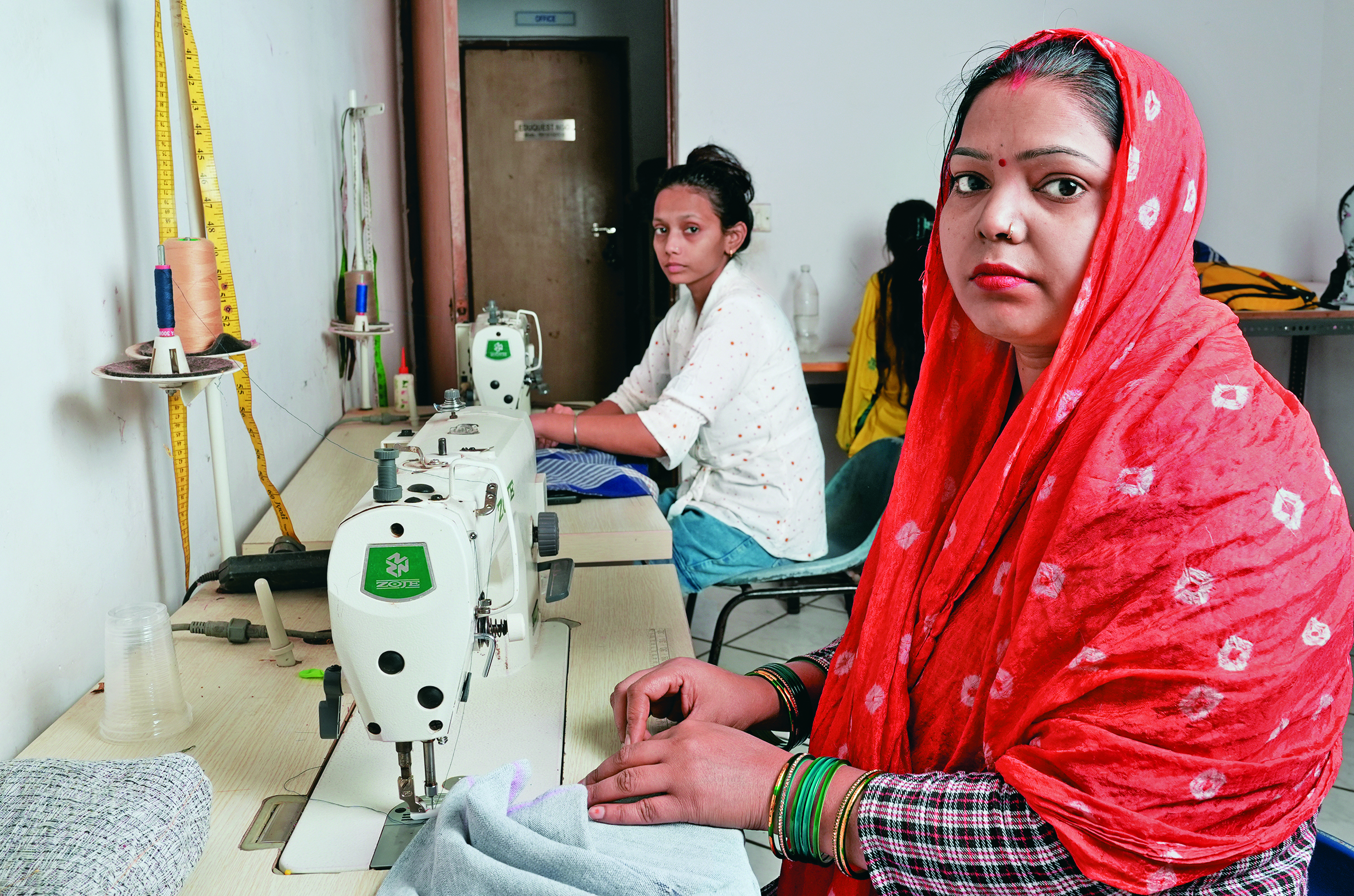
Left: Economic independence stitched with self-belief -- skills that transform lives beyond income.
Unnati equips women with skills, confidence and livelihoods, enabling them to step beyond traditional roles and emerge as independent earners and decision-makers.
high blood pressure and diabetes are extremely common here,” she notes. “Poor sanitation is a major contributor.” She emphasises that health education and hygiene awareness are as important as medication
Since 2015, Sanjeevani has expanded in partnership with its project implementing partner, strengthening operations and outreach. Today, it stands as a trusted source of relief and reassurance for thousands of families who once found even basic healthcare out of reach.
When a woman gains a skill, the impact extends far beyond her income; it reshapes family dynamics and self-belief. In Shalimar Bagh, Tata Power-DDL’s women empowerment initiative under the Unnati pillar has created such change.
Established in July 2021, a training-cum-production unit now hums with activity as women transition from homemakers to skilled artisans. While machines and infrastructure were put in place quickly, building From homemakers to skilled artisans -- women building livelihoods, confidence and collective strength. confidence took time.
Lata, Project Coordinator at Tata Power DDL, recalls: “Untangling thread was easier than addressing the hesitation within women. Many were reluctant to step outside their homes. Along with technical training, we helped them realise their own identity and potential.”
Over 70 women have completed a six-month intensive training programme, learning to produce high-quality fabrics for bed sheets, sarees, stoles and kurtas. Training also covers time management, quality control and teamwork, enabling the unit to function as a professional enterprise rather than a small tailoring centre.
Work hours remain flexible to help women balance domestic responsibilities. “Women don’t just weave fabric here,” Lata notes. “They share experiences. Stepping outside the home builds confidence and reduces stress.”
Udaan creates a nurturing ecosystem where children with autism and intellectual challenges receive free therapy, education and the dignity of inclusion
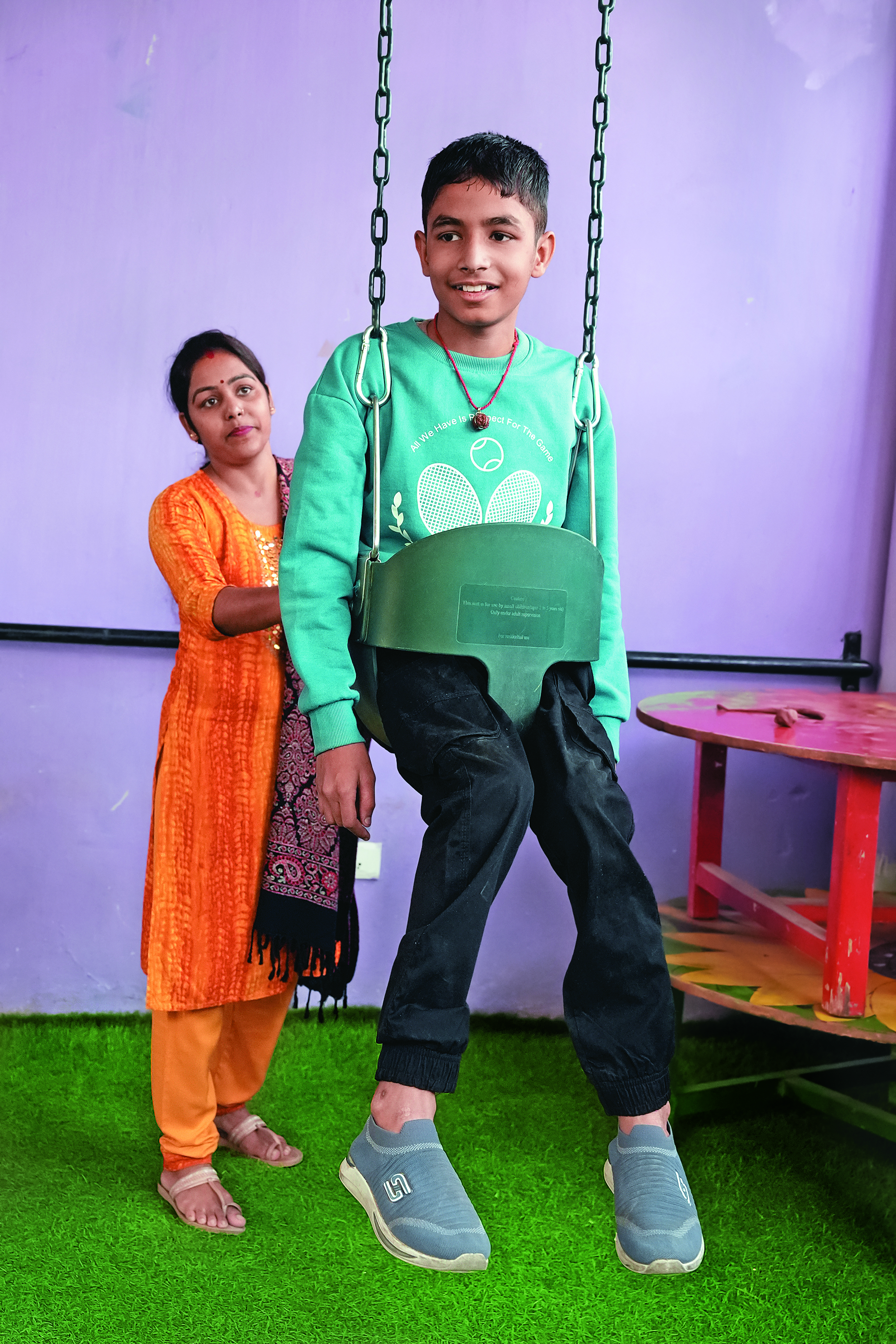
Every child deserves a safe space to learn -- Udaan nurturing abilities with care and inclusion.
For Chanchal, 33, the initiative has been transformative. “Earlier, my world was limited to the kitchen and my children,” she says. “Today, I pay for my children’s education myself. This work has given me my own identity.”
Run in collaboration with the SAVE Foundation, the unit has become a space of economic independence and social change, where women see themselves as confident contributors to their families and communities.
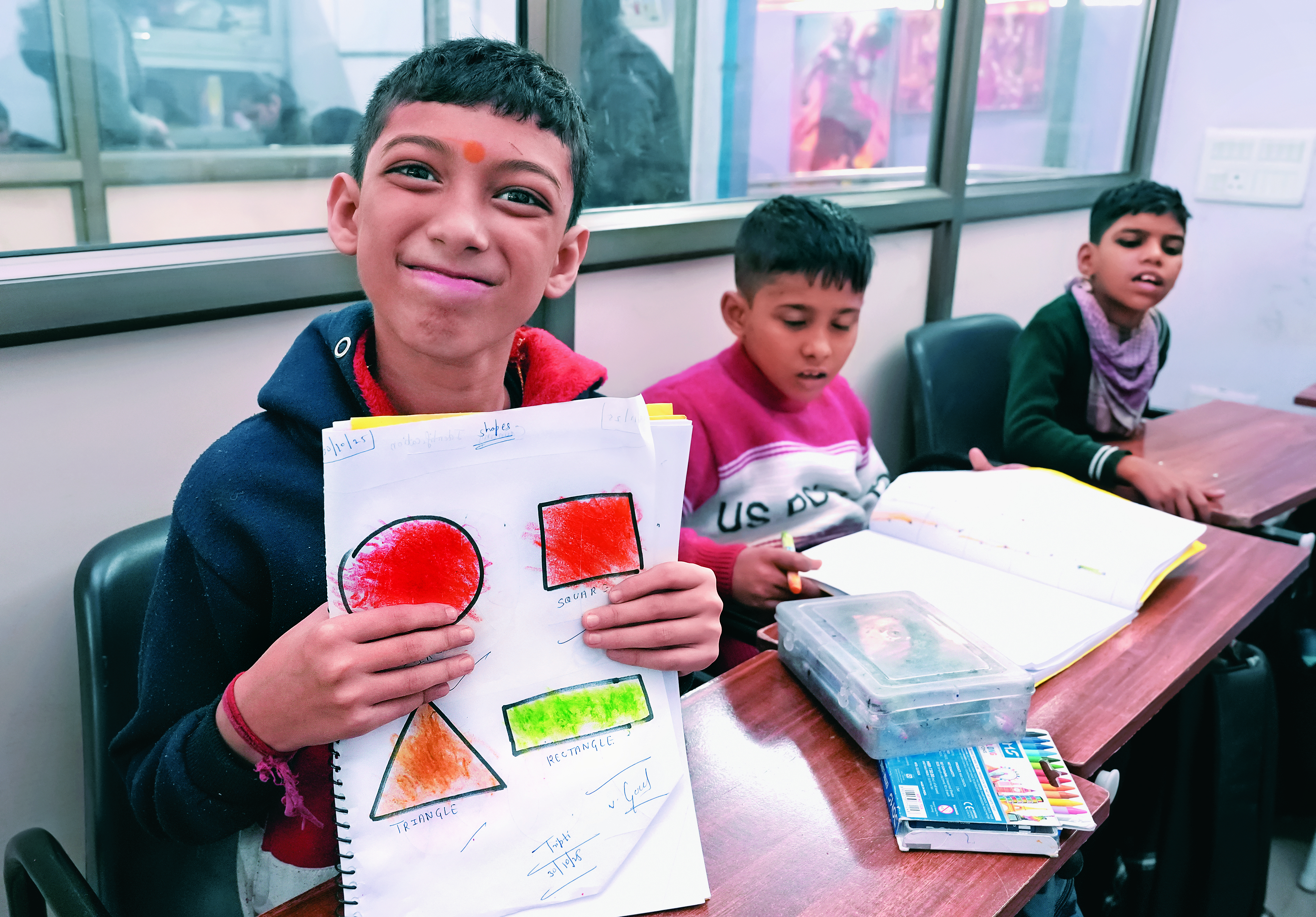
In Rohini, Delhi, ‘Udaan’ Special School has emerged as a beacon of hope for families of children with autism and intellectual challenges. Launched in March 2025 by Tata Power DDL in partnership with Viklang Sahara Samiti, the school serves communities where awareness of autism was previously minimal.
Autism is not a disease, but a neurological condition affecting communication, behaviour and social interaction. Shweta Sharma, Head Coordinator with 15 years of experience in special education, explains that most children enrolled come from JJ Clusters and economically weaker families who could not afford private therapy centres.
Currently, over 50 children receive free education along with occupational therapy, speech therapy and behavioural therapy. For parents like Ruby, whose son struggled with eye contact, sleep and basic routines, Udaan has been life-changing. With consistent therapy, her son can now sit for longer periods, understand daily activities and has significantly reduced self-harm behaviours
Similarly, a 12-year-old, once aggressive and difficult to manage, has shown marked improvement through personalised care. His mother Poonam describes the change as nothing short of a miracle. Since its inauguration on March 25, 2025, Udaan has focused on individual learning plans, providing children with dignity, care and inclusion, helping them recognise their own abilities and place in society
Tata Power-DDL’s commitment to education extends beyond children to women who never had the opportunity to attend school. Through its Women Literacy Centres under the Ujjawal pillar, adult women across Delhi are reclaiming education as a tool of independence.
Tata Power-DDL’s commitment to education extends beyond children to women who never had the opportunity to attend school. Through its Women Literacy Centres under the Ujjawal pillar, adult women across Delhi are reclaiming education as a tool of independence. In Jahangirpuri, women aged 30 to 50 – many first-generation
Learning without barriers -- education creating pathways to confidence and independence.
Inside Lakshya Classes, ambition finds direction as students prepare for competitive exams with confidence, mentorship and the belief that education can change lives.
DWIJADAS BASAK, CEO, Tata Power Delhi Distribution Limited
Using TCS-supported audio-visual software, women learn counting, banking procedures, mobile usage and expense management over a six month programme. Ranjana Mishra, Coordinator since 2007, recalls early resistance. “We went door to door explaining how women’s literacy benefits the entire family,” she says.
Today, 161 Women Learning Centres operate across areas such as Badli, Narela, Shalimar Bagh and Civil Lines, benefiting 9,000–10,000 women every year. Stories like Tabassum, who now manages accounts at her husband’s shop, and Chandrakala, once illiterate and now a coordinator, reflect the programme’s lasting impact.
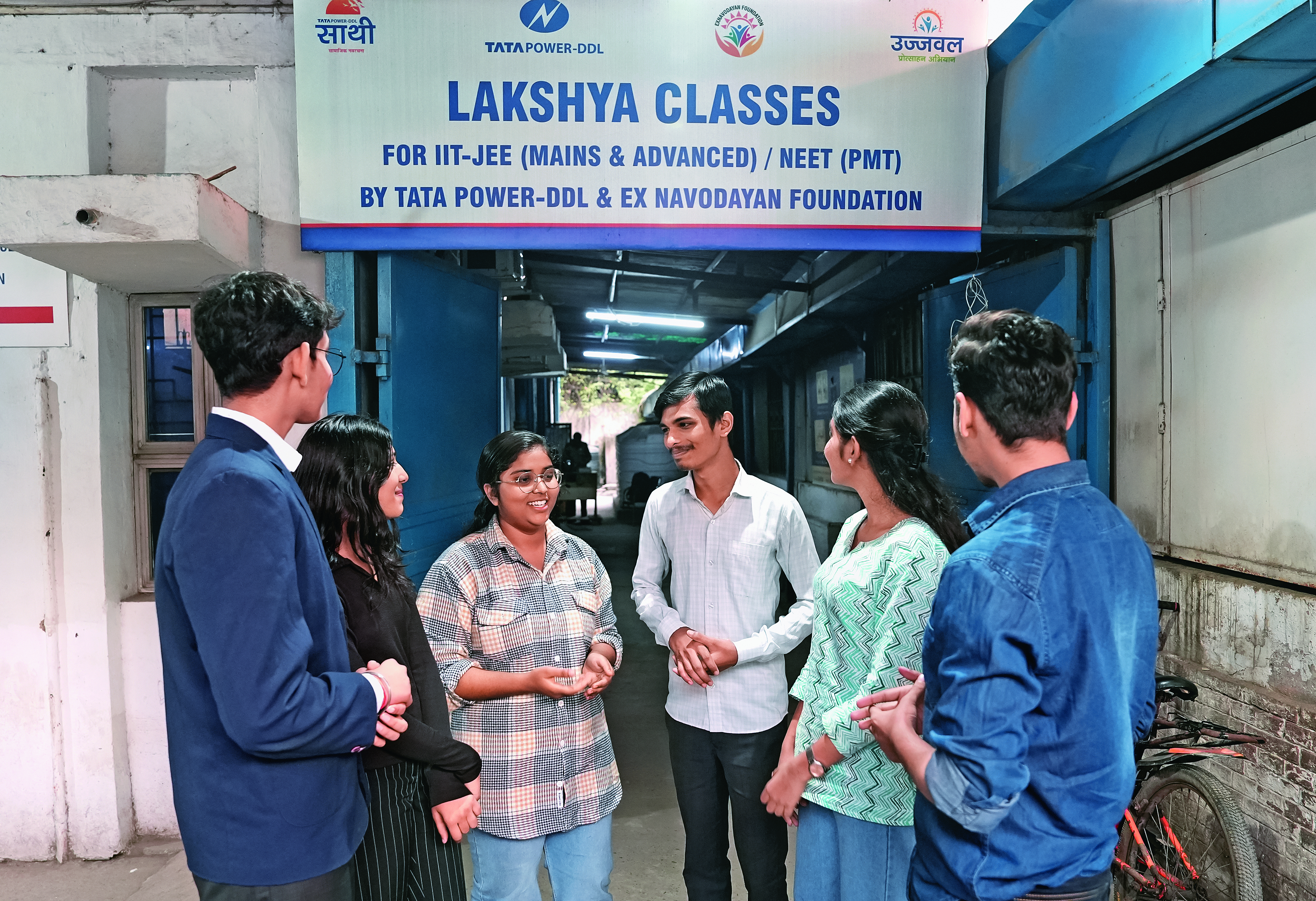
Launched in 2022 with academic support from the Ex Navodayan Foundation, Lakshya supports meritorious students from underserved backgrounds who aspire to become doctors and engineers.
After a transparent and closely monitored selection process across 40 government schools, 100–120 students per batch receive free coaching, study material and mentorship for competitive exams such as NEET and JEE
Teacher Subhash Dwivedi observes, “These students know education is their only way forward. Their determination motivates us to go the extra mile.
Students like Sudiksha, preparing for NEET, and Sameer, preparing for JEE, speak of renewed confidence and opportunity. Nearly 50 per cent of Lakshya students have already secured selection in competitive exams -- an encouraging outcome for families once limited by resources.
Together, these initiatives reflect Tata Power-DDL’s belief that true progress lies not merely in powering a city, but in empowering its people. As Mr. Dwijadas Basak affirms, “Our commitment is to be more than a power utility — to be a responsible partner in nation-building, lighting not just homes, but hope, opportunity and a sustainable future for all.”