


MINING HOPE, HEALTH AND OPPORTUNITY
Across Odisha’s mining heartland, people-centred CSR initiatives are transforming lives by strengthening livelihoods, health and education, and creating new pathways of opportunity beyond the mines
In Odisha’s mineral-rich districts of Keonjhar, Jajpur and Sundargarh, mining has long driven economic growth. Yet, for villages sharing their geography with extraction sites, progress has historically been uneven. Roads were fragile, healthcare distant, livelihoods uncertain, and education often out of reach. Over time, the Odisha Mining Corporation (OMC) has sought to address this imbalance by redefining its role in the regions where it operates, placing community well-being at the centre of its Corporate Social Responsibility (CSR) framework. Today, OMC’s CSR interventions span livelihoods, education, healthcare, sanitation, water security, infrastructure, environmental sustainability and youth development. What distinguishes these initiatives is not only their scale, but also their continuity. They are designed to remain, evolve and respond, ensuring that development is not episodic but embedded in daily life.
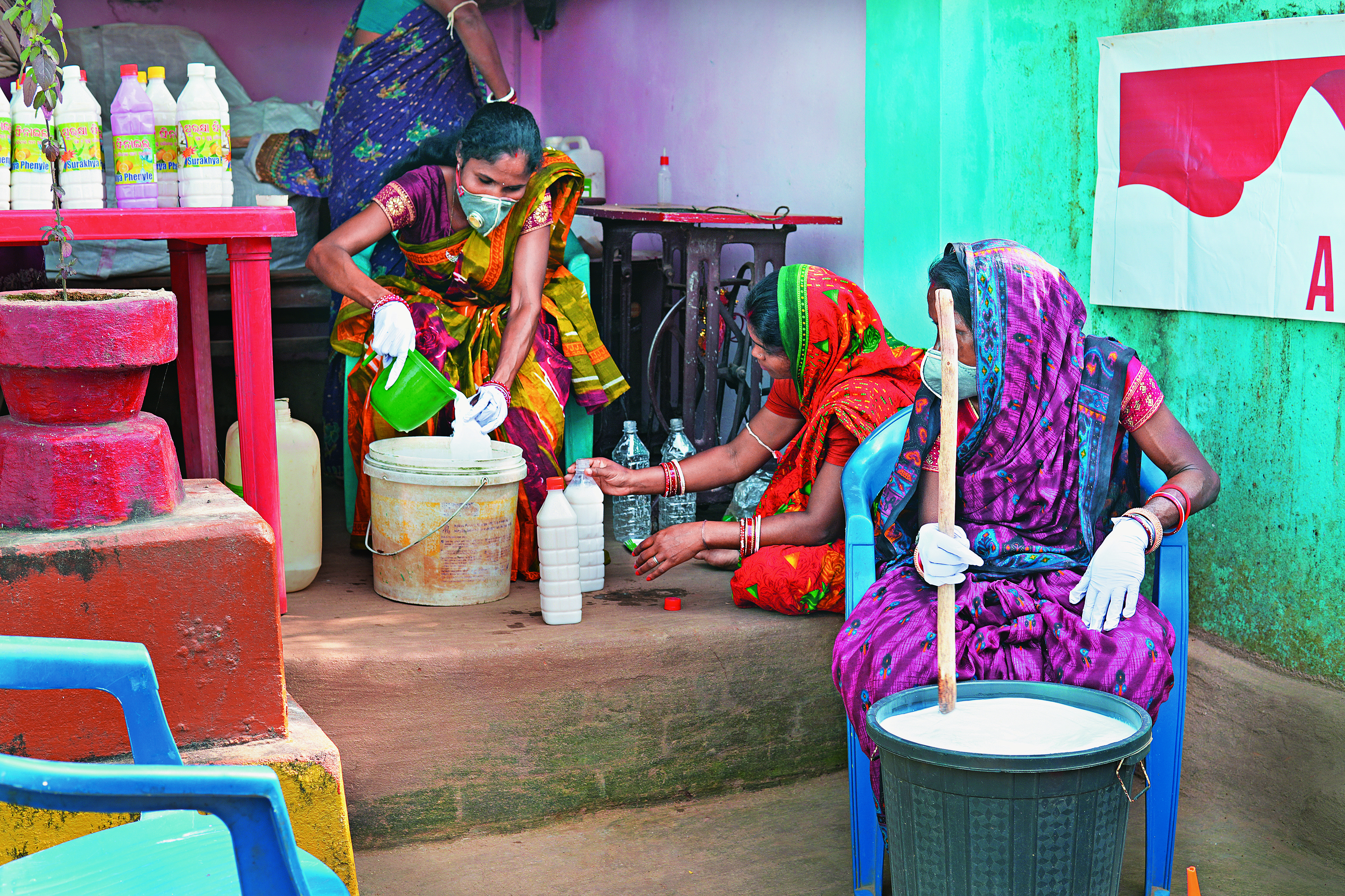
In the mining belt of Kaliapani in Jajpur district, the story of development begins quietly, in workspaces run by women. The Maa Brundabati Self Help Group, formed in 2003, now operates a phenyl manufacturing unit under its own brand, Surakhya Phenyl. Supported by OMC over the past three years, the group has moved from subsistence-level activity to a stable enterprise.
“Earlier, we produced only 30 to 40 litres a month,” recalls Sashikala Mohanti, the group’s president. “After OMC’s support, we could buy raw materials in bulk. Now, production has increased to 200-400 litres every month.”
This growth has translated into an income of ₹60,000–₹70,000 a month that has changed household dynamics. “My children’s education, food expenses, even emergencies are managed from my earnings,” says Moli Behera, the group’s secretary. “I feel secure now.”
For member Rukmani Mahanta, the change is equally emotional. “There was a time I could not save anything. Today, I save and spend when needed. My family depends on me, and that feels good.
Nearby, the Maa Gojabayani Self Help Group reflects a similar transformation. Active in incense stick production since 2019, the group manually scents, dries and packages agarbattis sourced from Cuttack. Selling 200-400 packets each month, the women earn close to ₹60,000.
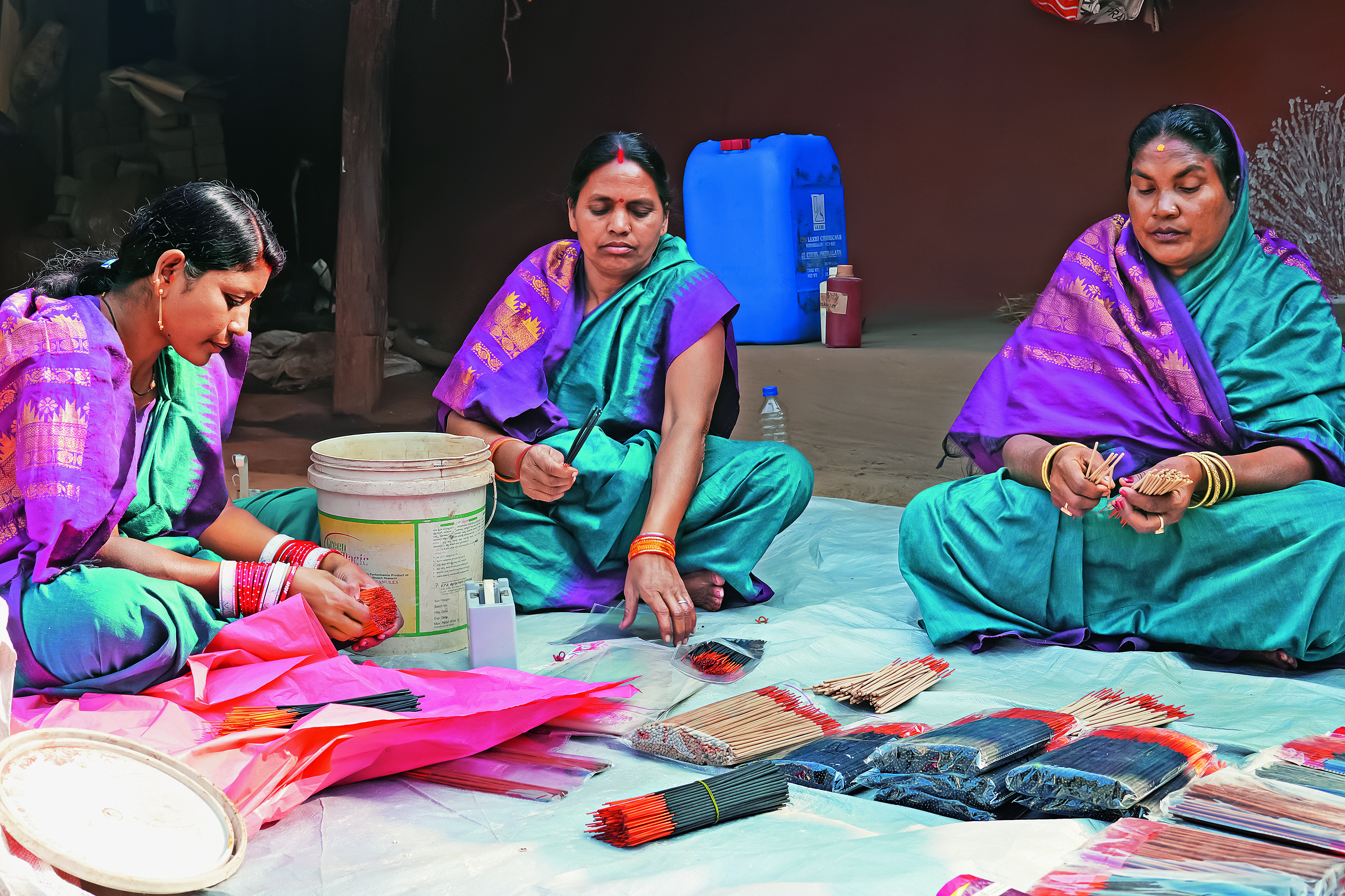
Hand-scented, sun-dried and carefully packed, incense sticks crafted by the Maa Gojabayani Self Help Group reflect patience, skill and self-reliance.
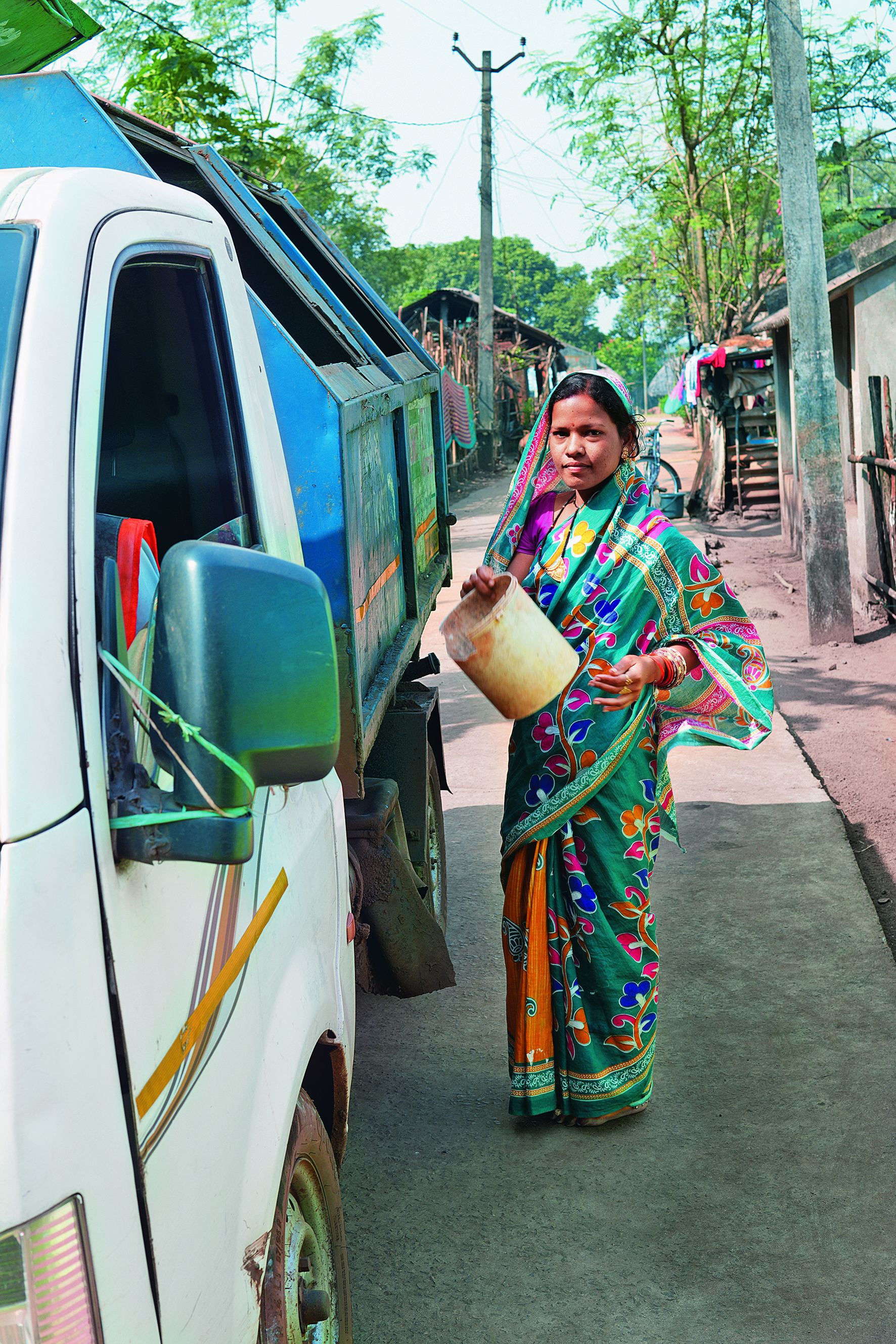
Cleaner surroundings reflect a deeper shift in community behaviour and ownership
Eligibility is deliberately focused on the most vulnerable – girls from families earning less than ₹6,000 per month. Under the programme, students receive full sponsorship for a four-year B.Sc. Nursing degree or a three-year General Nursing and Midwifery (GNM) course.
“Earlier, even paying the electricity bill was stressful,” says member Nimanti Mahanta. “Now, I manage household expenses from my own income.”
President Haima Mahanta speaks of the future with confidence. “We are thinking of machines next. Earlier, we never imagined growth beyond this level.”
These enterprises demonstrate how sustained livelihood support becomes empowerment, reshaping not just income, but identity as well
Sanitation and environmental hygiene are among the most visible indicators of change in villages surrounding mining areas. Solid Waste Management units developed under OMC’s CSR initiatives are bringing structured waste segregation and cleaner living practices to communities across Odisha’s mining regions. In Kaliapani, a Solid Waste Management Plant established in 2022 has introduced a structured system where none existed before.
Each day, waste from mines, townships and nearby villages is collected using dedicated vehicles. At the plant, three workers and a driver manually segregate waste into polyethylene, metal, paper, wet waste, and household material. Organic waste is converted into compost using simple things such as curd and jaggery, while recyclable materials are sold.
While healthcare education forms one pillar of NMDC’s CSR vision, economic self-reliance requires strong technical foundations. Long before skill development became a national focus, NMDC was already investing in local technical education.
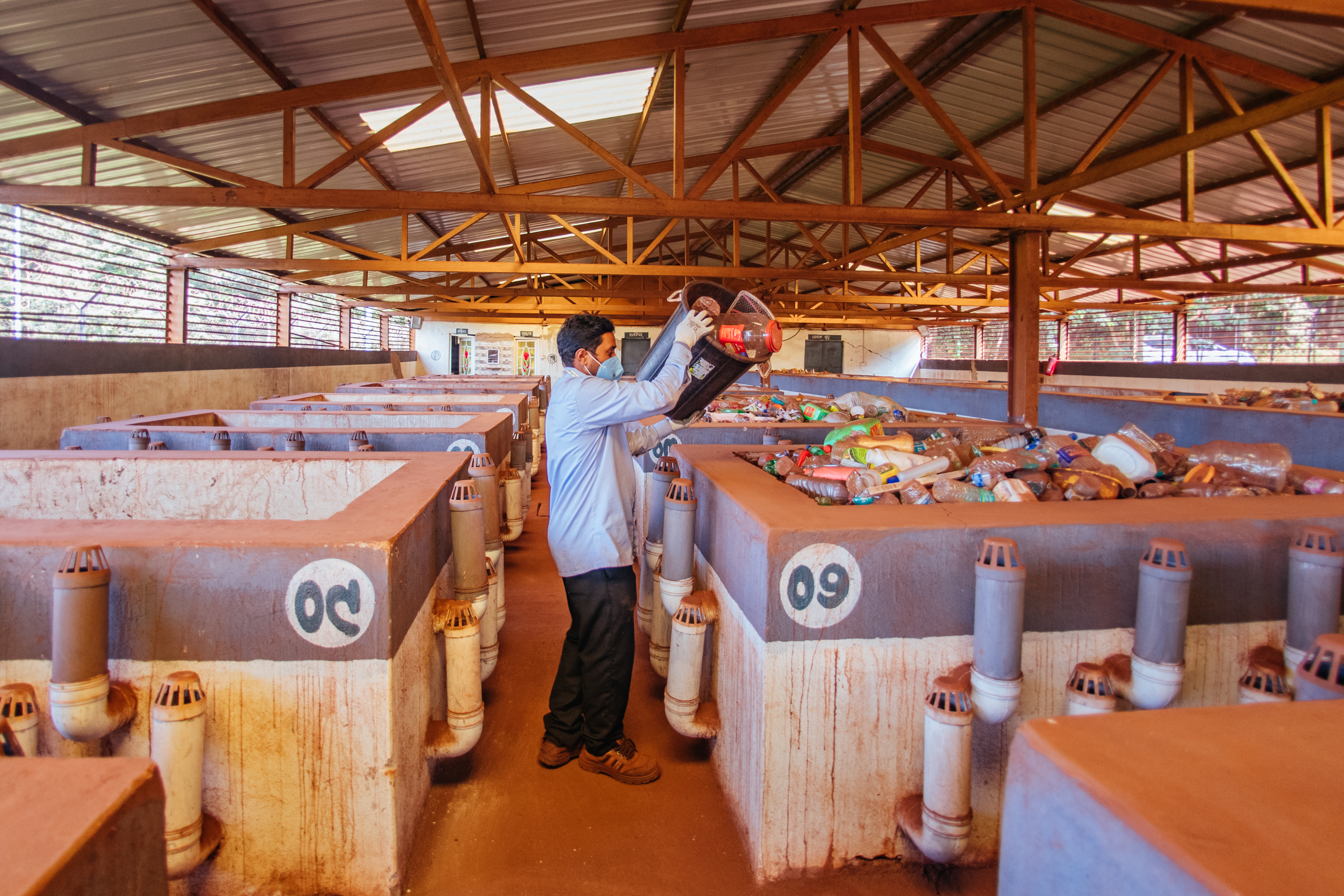
Daily waste segregation is turning cleanliness into a shared community habit.
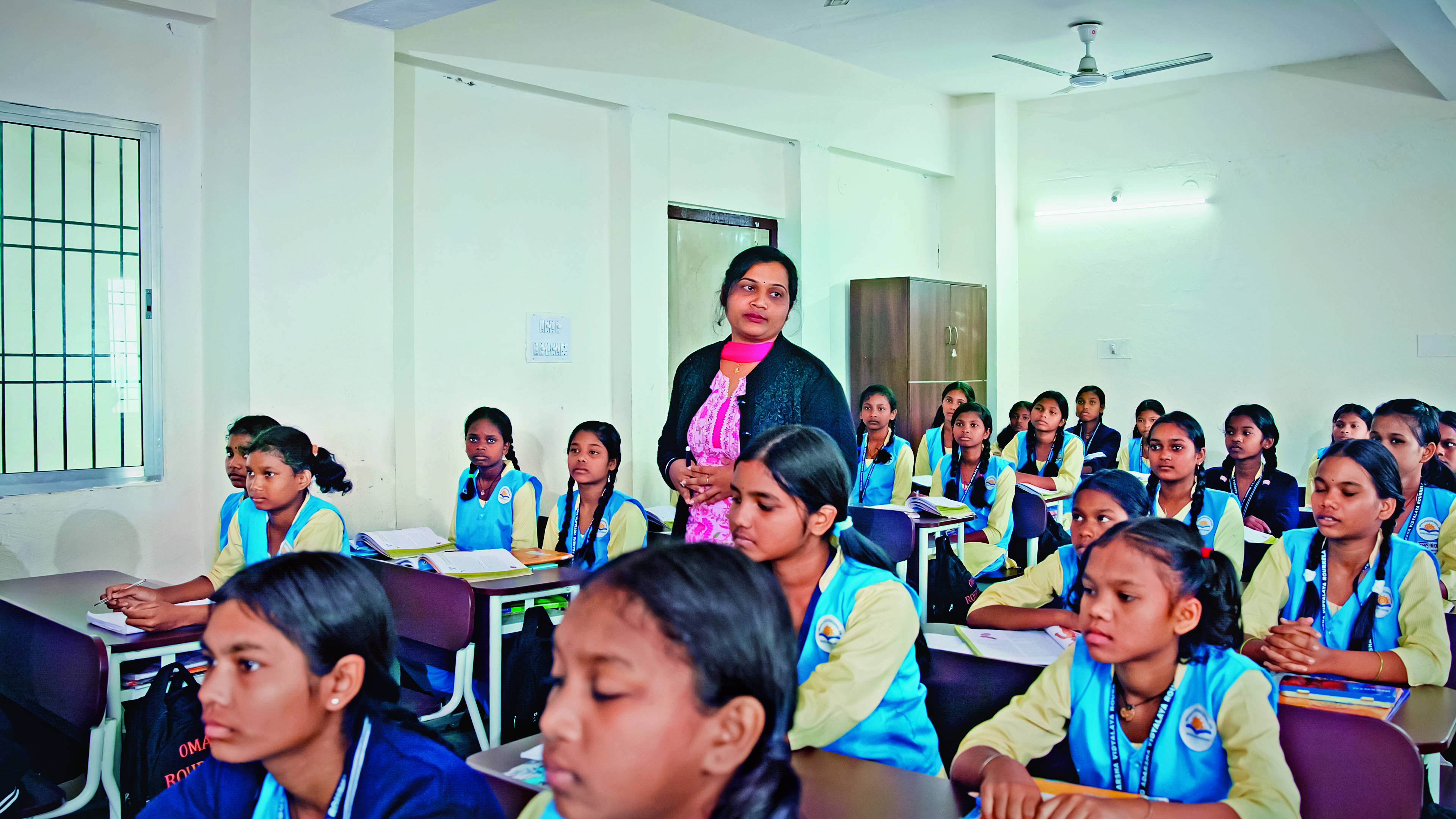
Inside an OMAV classroom, students learn in an environment that nurtures curiosity, confidence and new aspirations.
In 1999–2000, the company established ITI Bhansi in Dantewada district, bringing certified industrial training directly to tribal communities. With an annual intake of 128 students, the institute offers courses in trades such as Welder, Fitter, Electrician, Diesel Mechanic, and Motor Vehicle Mechanic – skills that translate directly into employability.
Recognising that financial pressure often forces students to abandon training, NMDC provides monthly scholarships to tribal students who need support. This ensures that poverty does not interrupt learning.
The quality of education at ITI Bhansi has earned statewide recognition. It is ranked first among all ITIs in Chhattisgarh, a remarkable achievement for an institute located in one of the state’s most remote districts.
Building on this success, NMDC established Dantewada Polytechnic College in 2010–11. Located within the local Education Hub, the institute admits 126 students annually to Mechanical and Electrical Engineering streams.
Jhanvi Tamoo, a final-year electrical student at ITI Bhansi, shares her perspective: “I was worried that I would need to travel far, and it would cost a lot to study for my future. I really appreciate that NMDC has supported us like this, and in return, I would like to work with NMDC and show my trust and support the way they have with me".
One of the Polytechnic’s most impactful features is its exemption from central counselling – a policy NMDC actively pursued to ensure that local students are not edged out by those with access to urban coaching facilities. This decision has kept technical education accessible to youth from Dantewada and the wider Bastar Division.
With strong foundations in healthcare and technical education, NMDC has recently expanded into advanced manufacturing skills through a collaboration with the Central Institute of Petrochemicals Engineering & Technology (CIPET).
I was worried I would have to travel far and spend a lot to study. NMDC made quality technical education accessible close to home, and that has given me confidence about my future.
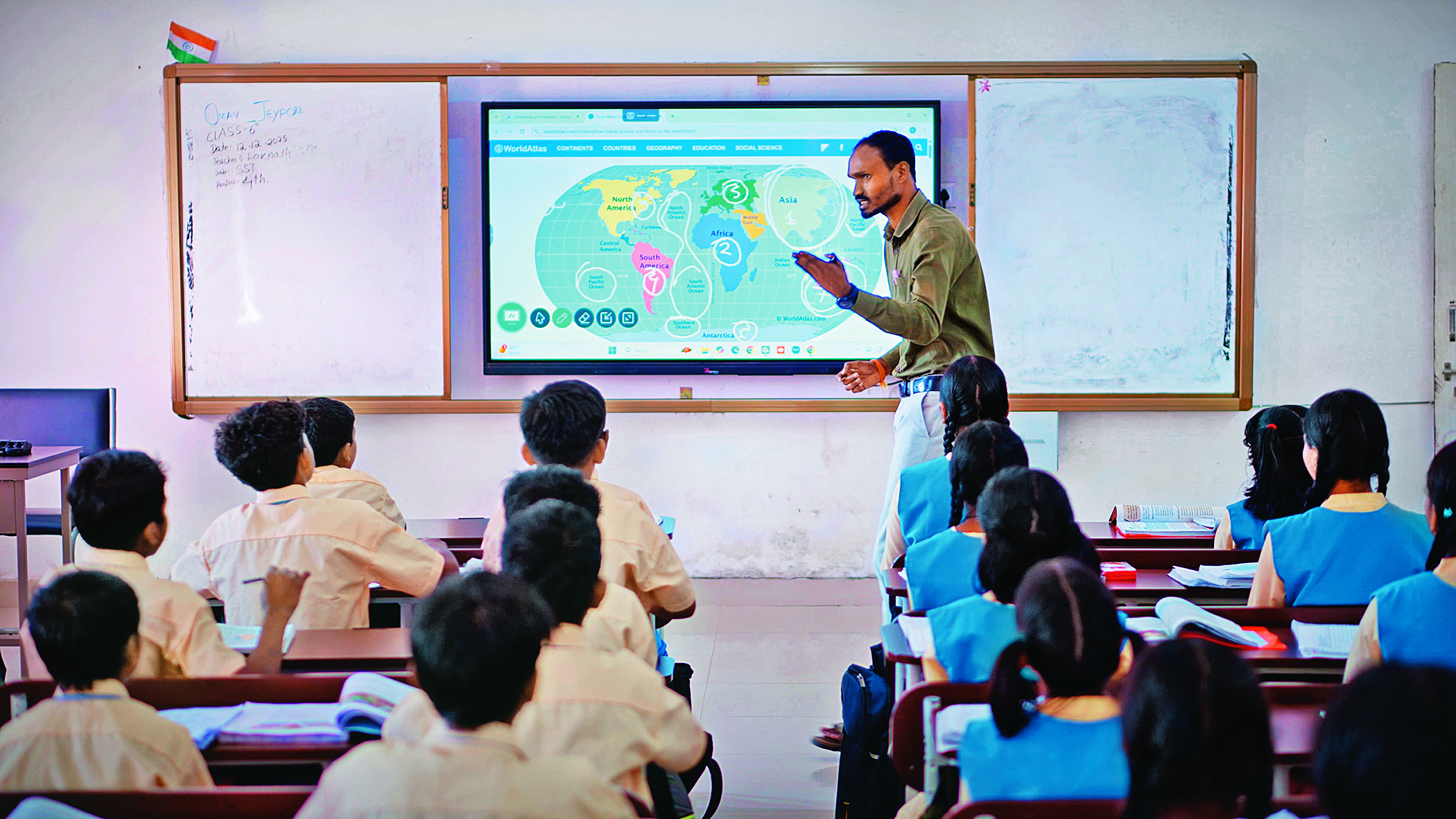
Classrooms are expanding learning opportunities for students from mining-affected communities.
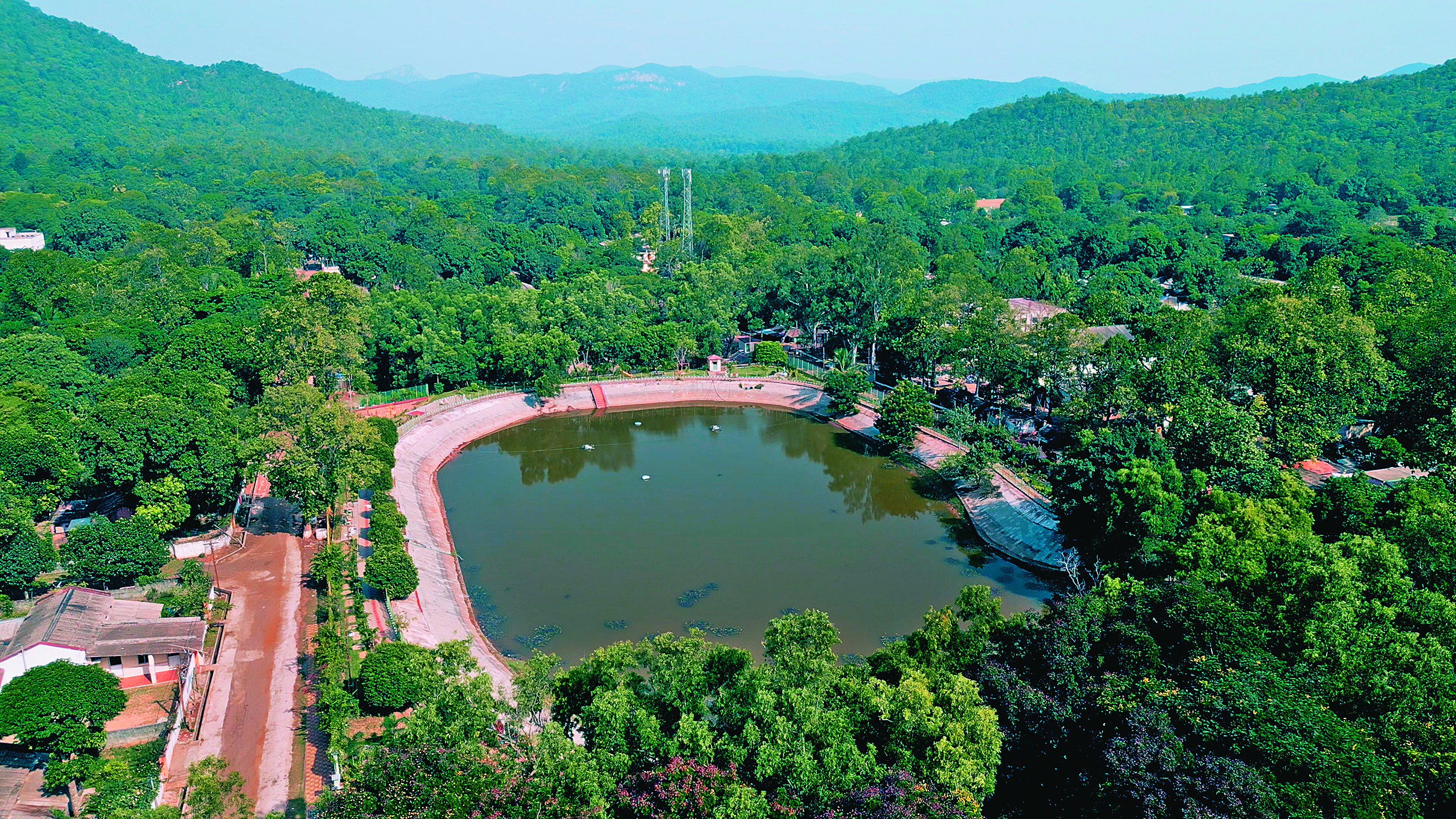
Rainwater harvesting structures across OMC’s mining regions strengthen groundwater recharge and support community water security
320 students from Classes VI to VIII. Digital classrooms, hostel facilities, free meals and a 5,500-square-metre multipurpose playground create an environment where learning is immersive and aspirational.
For parents, the school represents more than academics; it represents security. Children study, live and grow in a structured environment designed to nurture confidence and curiosity.
At Kaliapani, a new six-acre residential school is nearing completion. Built at a cost of approximately ₹40 crore, the institution will serve around 400 students from Classes VI to X. Education, uniforms, meals, study materials and residential facilities will all be provided free of charge. Though still under construction, the campus already stands as a promise to families who have long viewed education as a distant aspiration.
Acccess to healthcare is often one of the most pressing challenges in remote mining areas. OMC’s Arogya Bahini mobile health programme was designed to address this gap by bringing medical services directly to communities. Its Mobile Health Unit (MHU) programme covers 86 peripheral villages across OMC’s mining operations in Odisha, providing essential healthcare services to over one lakh beneficiaries.
Operating across 11 villages in Daitari and Bangur, the mobile units provide free consultations, medicines, diagnostics and emergency referrals. Between December 2023 and October 2025, the programme conducted 528 health camps, handled over 20,900 cases and issued 5,813 health cards.
Environmental sustainability is central to OMC’s CSR approach, with rainwater harvesting structures across its mining operations reinforcing groundwater recharge, community water security and long-term ecological balance. Rainwater harvesting structures across six operational sites demonstrate a sustained commitment to water conservation and long-term ecological balance.
A notable example is in Daitari Hills, where a rainwater harvesting structure completed in April 2021 has transformed water availability and community life.
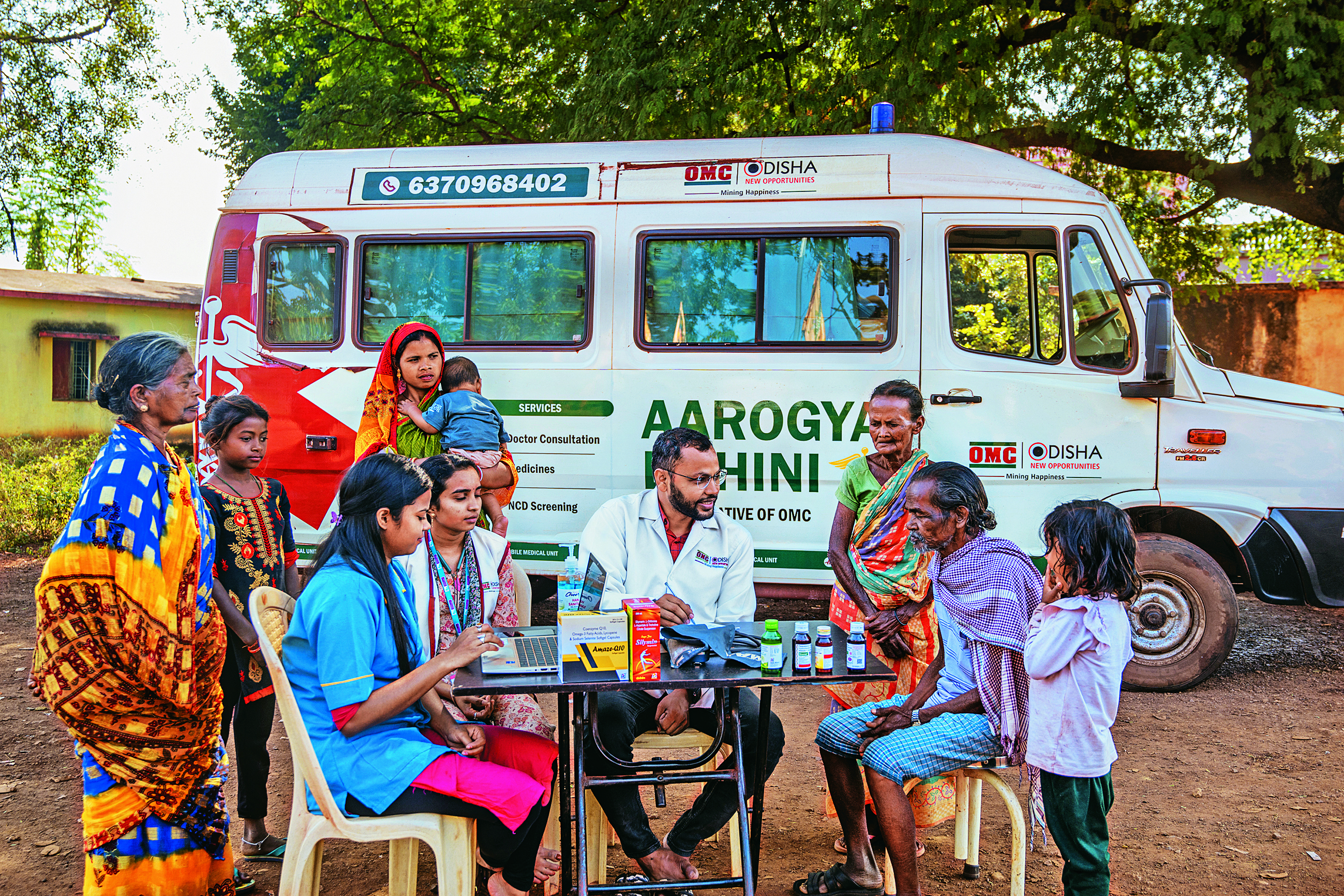
OMC’s Arogya Bahini mobile health unit brings consultations, diagnostics and medicines directly to remote mining-periphery villages.
Covering 13,125 square metres with a storage capacity of 37,000 cubic metres, the structure enhances groundwater recharge and also serves as a public recreational space. Walking tracks and open areas have made it a daily gathering point.
“It is not just water storage,” says local resident Sanjay Sahoo. “People come here every morning. And our borewell water has improved.”
OMC’s environmental initiatives also include large-scale plantation drives – planting one tree for every ten metric tonnes of minerals extracted – as well as zero-waste practices such as converting food waste into compost for in-house herbal gardens at mine sites
Infrastructure often changes lives quietly. The 650-metre concrete road connecting Dalki Sahi to Daitari has ensured all-weather access between settlements. With a 3.2-kilometre extension underway, the road has eased travel to schools, hospitals and markets.
“Earlier, during the monsoon, travel was risky and delayed,” says resident Mastam Turu. “Now food, medicine and transport reach us on time.”
Such connectivity has reduced isolation and strengthened economic and social links across villages.
OMC’s CSR engagement also includes humane, need-based interventions that respond to local realities., OMC’s commitment to youth development in mining periphery villages is reflected in the initiative of Periphery Aid Initiative for Knowledge Acquisition (PAIKA). Established in November 2024 with a budgetary allocation of Rs 7.5 Crore over three years, the fully residential academy in Bhubaneswar prepares rural youth for careers in the uniformed services.
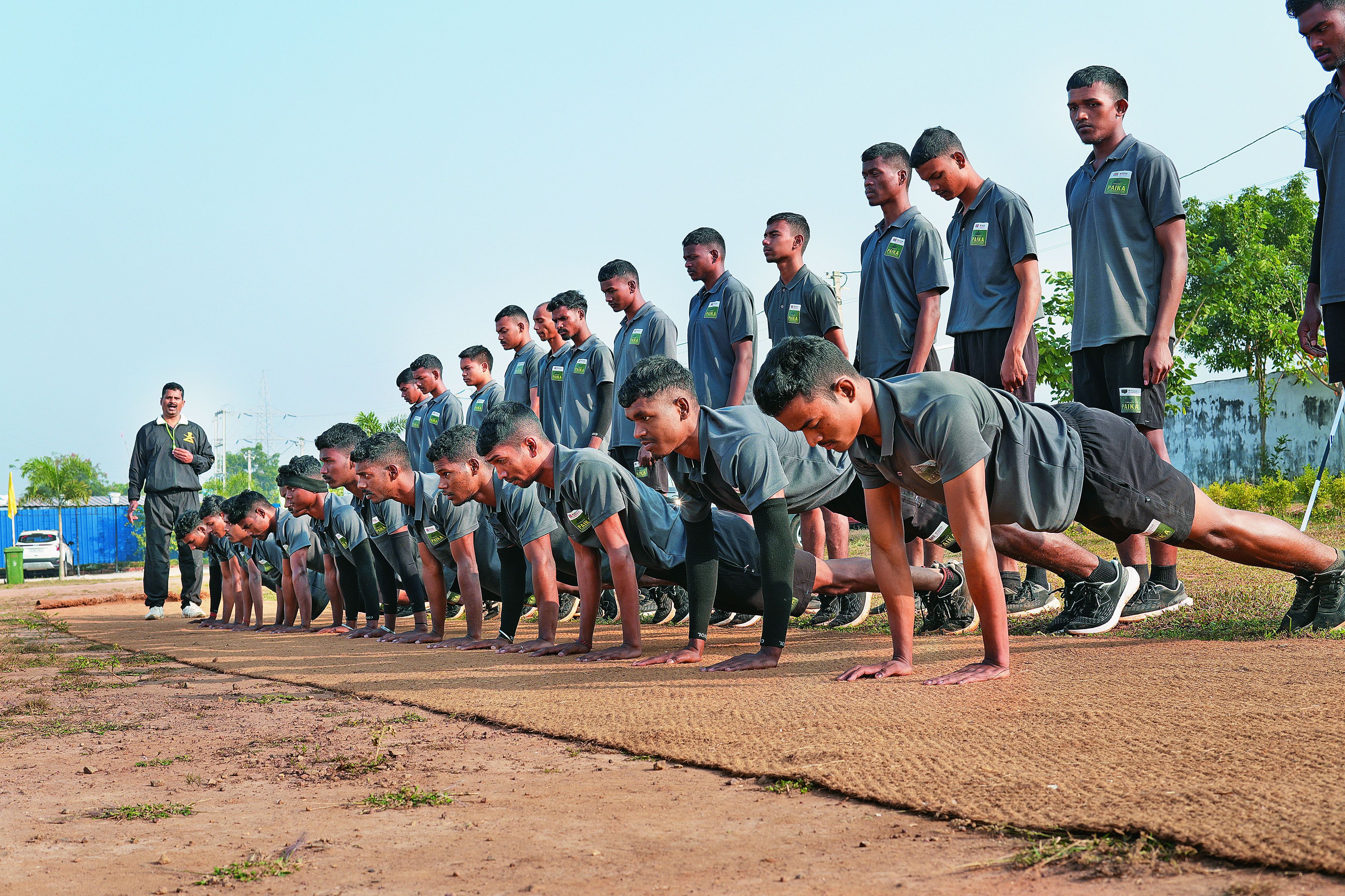
Discipline begins at dawn: Cadets in training at the PAIKA Defence Cadet Training Academy, Bhubaneswar
Covering 13,125 square metres with a storage capacity of 37,000 cubic metres, the structure enhances groundwater recharge and also serves as a public recreational space. Walking tracks and open areas have made it a daily gathering point.
“It is not just water storage,” says local resident Sanjay Sahoo. “People come here every morning. And our borewell water has improved.”
OMC’s environmental initiatives also include large-scale plantation drives – planting one tree for every ten metric tonnes of minerals extracted – as well as zero-waste practices such as converting food waste into compost for in-house herbal gardens at mine sites
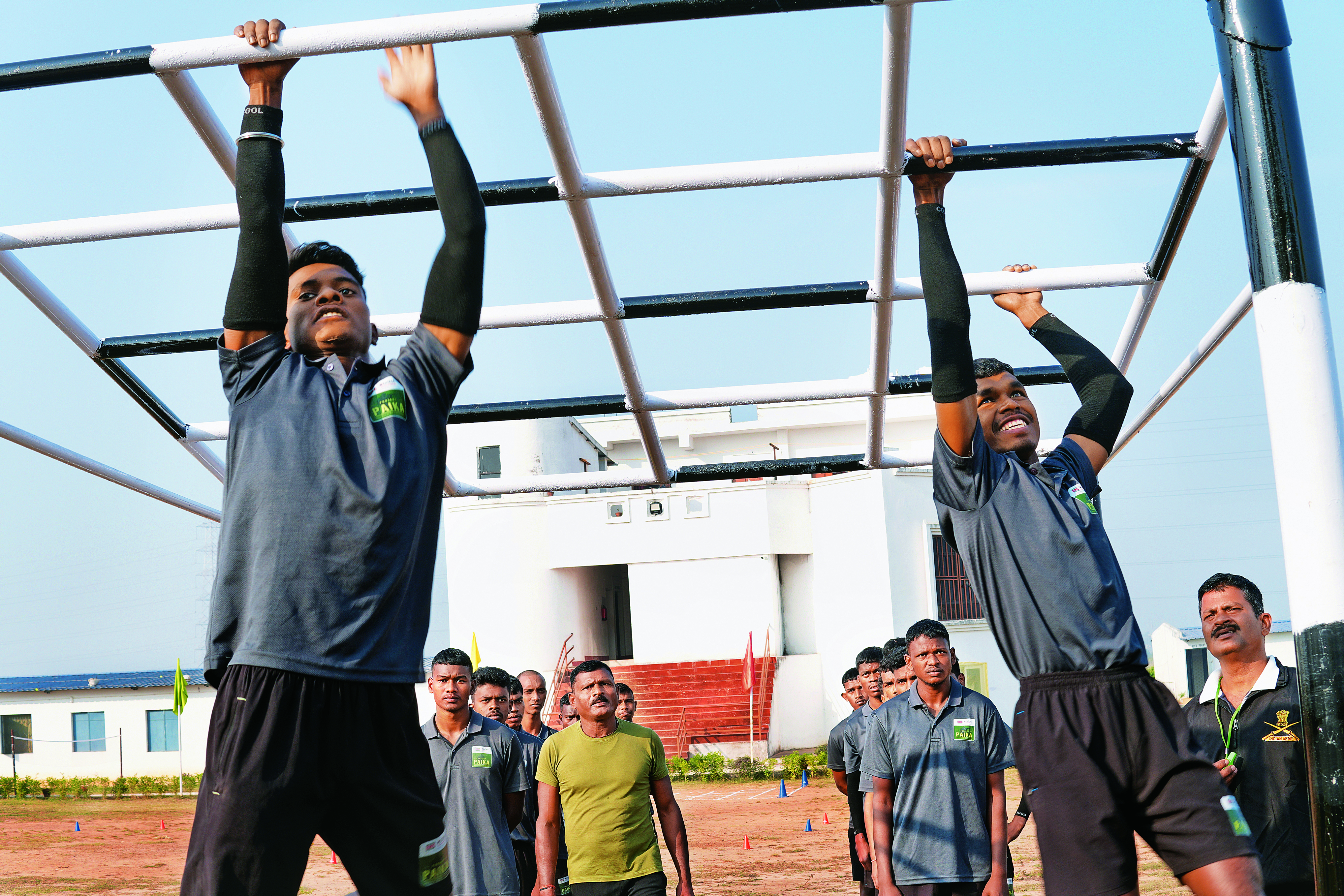
Each grip, each climb - physical training that builds mental strength and determination