

BUILDING BEYOND BLUEPRINTS
From the hills of Almora to the airwaves of Baramulla, from special classrooms in Maharashtra to international badminton courts, NBCC’s CSR journey demonstrates how infrastructure can reach far beyond physical structures—touching lives, supporting livelihoods, and inspiring lasting hope
Across India, on distant mountain slopes, along the quiet banks of a northern river, inside classrooms for children with special needs, and on a badminton court where wheels race against time, there is an invisible thread. It is not made of steel or cement, but woven from empathy, opportunity, and belief.
For NBCC (India) Limited, a Government of India Navratna enterprise, nation-building has never been limited to infrastructure alone. While the organisation is renowned for constructing landmark buildings and public spaces, its Corporate Social Responsibility (CSR) initiatives reveal another dimension – one focused on strengthening communities, restoring dignity, and opening doors for those who might otherwise remain unseen.
In Maharashtra’s Chhatrapati Sambhaji Nagar, the story moves to a classroom
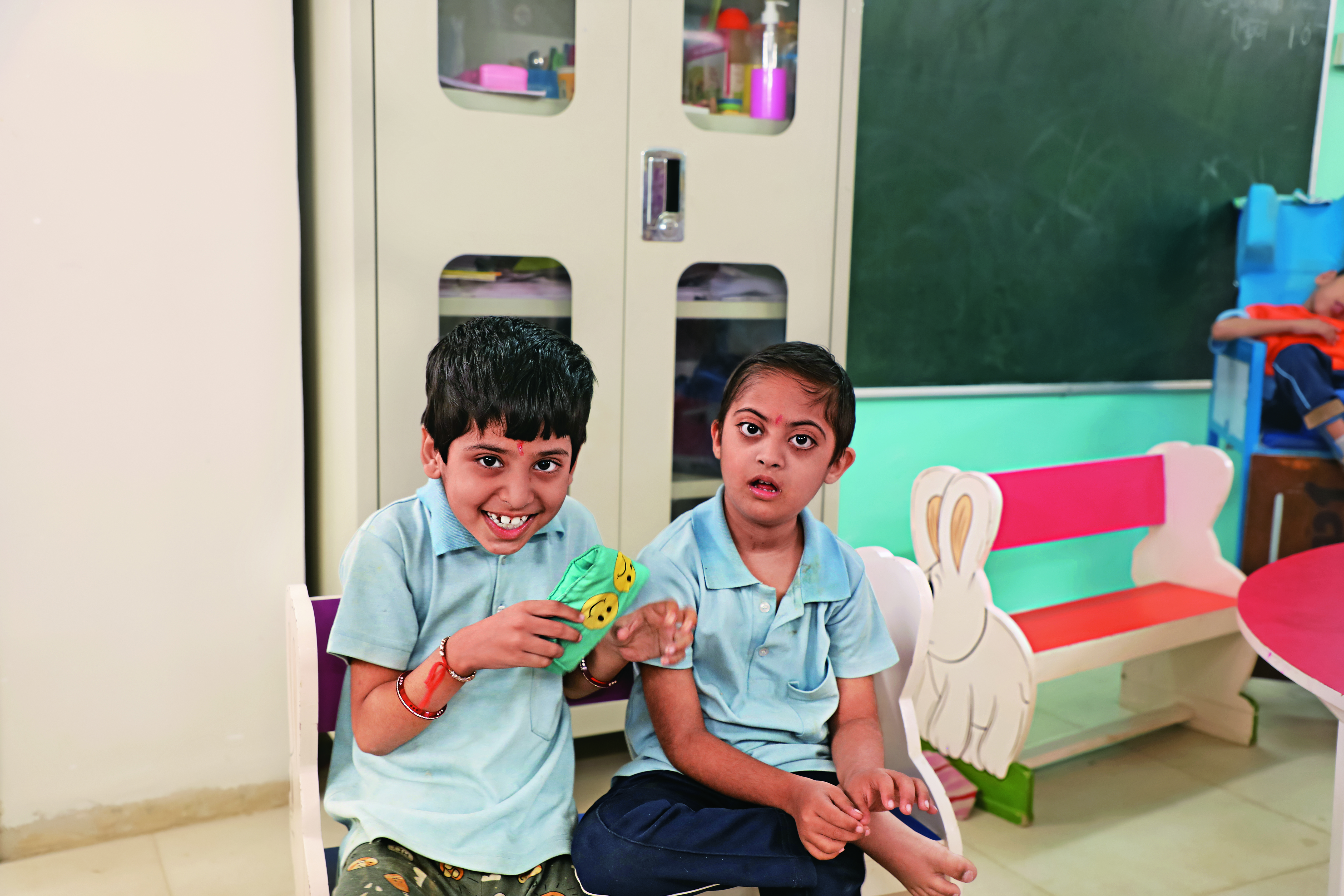
At Vihang Special School, children with cerebral palsy, autism, and multiple challenges find not only education but also acceptance. Founded in 2011 with just four students, the school now serves 100 children.
Principal Aditi Shardul explains, “The number of students has increased to 100 this academic year. We cannot admit all special children.” Financial constraints remain a challenge for many families. “Some parents find it difficult to pay Rs 40,000 annually. We find sponsors for such students.”
NBCC has been one such sponsor. Ferdinand Soreng, Deputy General Manager, HR, CSR, and Training at NBCC, outlines the support provided. “In 2023–24, NBCC procured stainless steel, child-friendly furniture for the students and shoe racks. Now the school is fully equipped. We have provided a 21-seater school bus. In 2025, we have provided two ambulances as well.”
Four computers were also supplied to strengthen digital learning. Soreng emphasises, “We do not give monetary support directly. We procure requirements for each project and review them periodically.”
The impact is tangible. The simple act of using a shoe rack teaches daily living skills. Computer teacher Jivan Singh Chauhan guides students who now confidently use MS Word and Excel. “Our students know typing. They can perform well if given a chance as interns or trainees,” he says
Four students have already secured internships. Some have gained recognition beyond the classroom – Harsh Shardul became the face of World Cerebral Palsy Day in 2021. Two students have won medals in swimming. Arnav Sadavarte recites poems on disability awareness and is affectionately called a “podcaster.”
Parent Trishna Manoj Mali shares her son’s transformation. Once withdrawn and reluctant to attend school, he now speaks confidently and even manages household errands. The Parent-Teacher Association actively involves families in school life, fostering a sense of belonging.
Vihang – meaning “bird” – symbolises flight without barriers. With plans for vocational units, a cafeteria run by students, and packaging and printing initiatives, the school aims to make its students financially independent
By supporting Vihang, NBCC has strengthened not only infrastructure but also aspiration.
High in the hills of Uttarakhand, life has always demanded resilience.Villages cling to steep slopes, and roads wind uncertainly along ridges. For decades, healthcare remained one of the greatest challenges in these remote areas.
In the village of Peora in Almora district, the situation was particularly difficult. Until two decades ago, even minor illnesses meant travelling long distances. A fever, a cough, or a dental infection could become a major crisis simply because medical help was far away. Doctors were reluctant to serve in such inaccessible terrain, and basic diagnostic facilities were almost unheard of
It was in this environment that Aarohi Arogya Kendra began its journey in 1992. What started as a modest initiative in a small room gradually evolved into a lifeline for nearly 500 villages. The centre now provides round-the-clock services, including X-ray, ECG, ultrasound, blood tests, and surgical procedures. It has a four-bed in-patient facility and continues to expand.
Dr Pankaj Tiwari, Executive Director of Aarohi, reflects on the journey as one marked by determination. The team built the institution step by step, responding to the real needs of the community. “Since its establishment, Aarohi has undertaken a long and challenging journey. What began in a small room has today grown into a hospital serving nearly 500 villages,” adds Dr Tiwari.
In classrooms built on patience and possibility, children with special needs discover confidence, capability, and the quiet assurance that their future is full of potential.
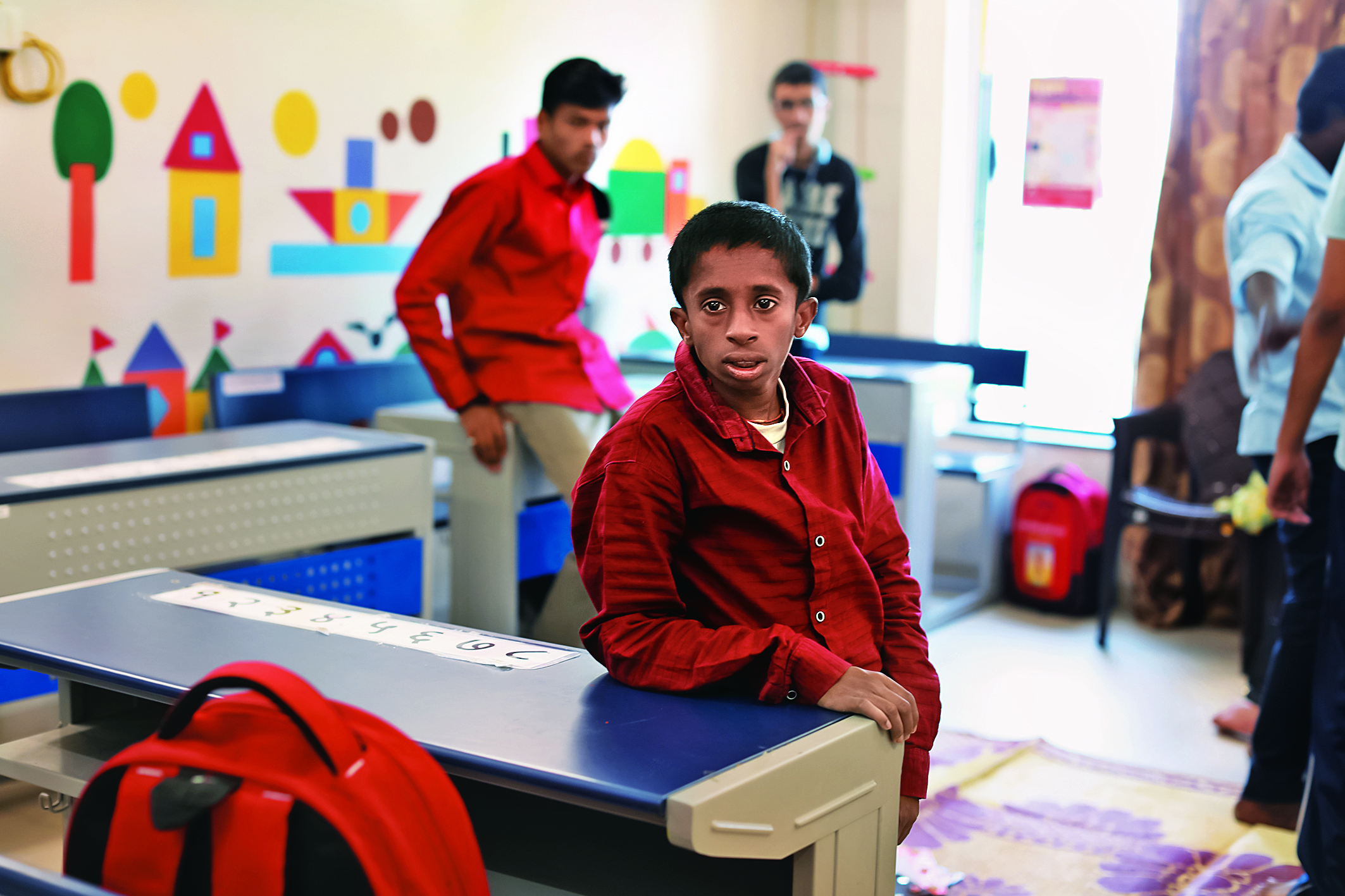
In a room filled with colour and care, confidence begins to take shape.
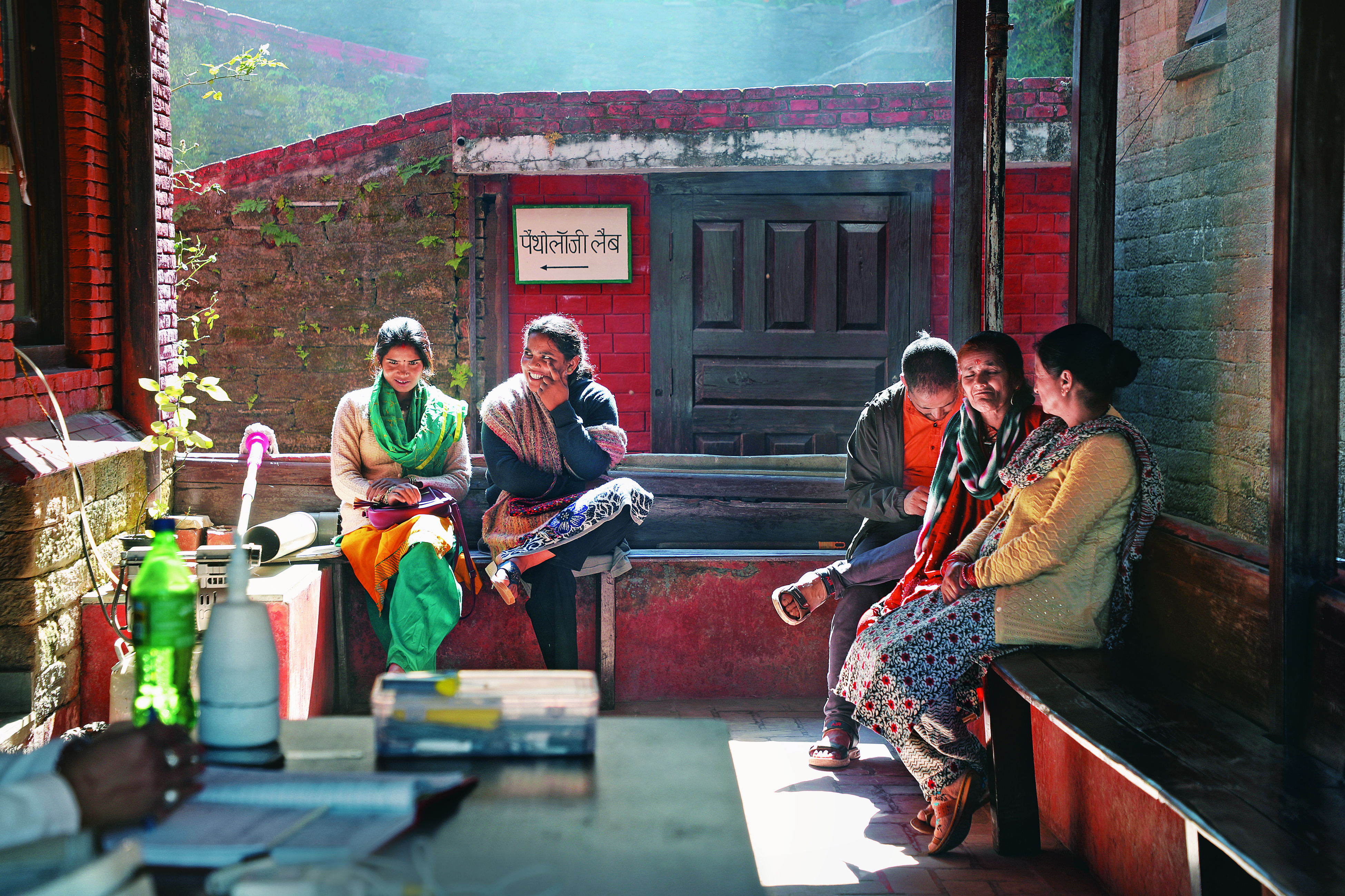
Modern medical infrastructure supports hands-on learning, enabling first generation learners to transition smoothly into professional healthcare education.
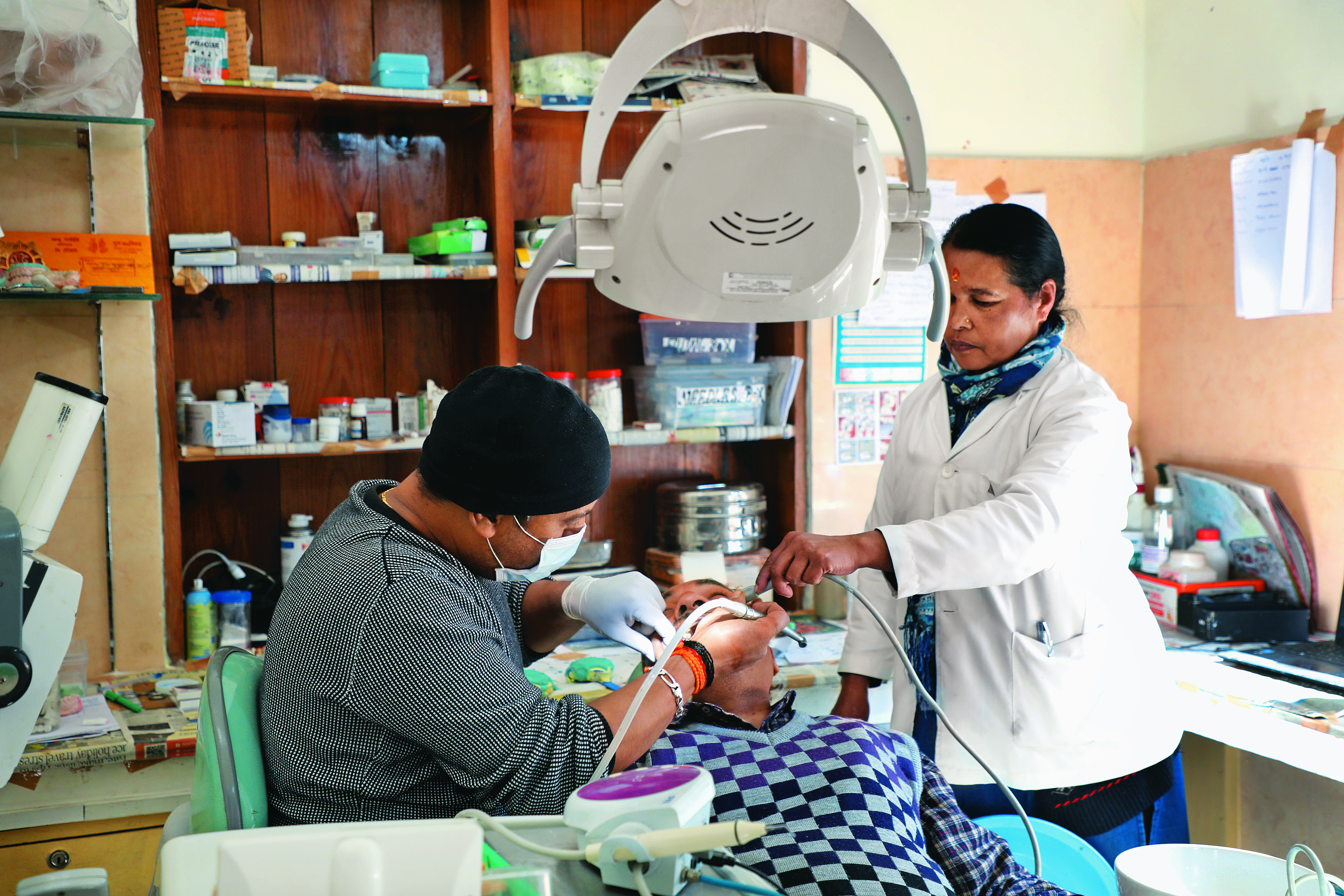
Care reaching where roads hesitate, bringing diagnosis, dignity, and hope to the hills
A significant turning point occurred when NBCC extended its support through its CSR programme. The organisation provided five essential medical devices: an autoclave machine, a portable dental chair, an ECG machine, a suction machine, and a portable X-ray machine
In the hills, portability is not a convenience but a necessity. Many patients cannot reach hospitals in time. With portable equipment, healthcare can now reach them. Aarohi’s mobile medical unit, equipped with X-ray and ultrasound facilities, conducts nearly ten medical camps each month in remote villages.
The impact is evident in the voices of the people. Tulsi Raikwal, an elderly resident who came for dental treatment, recalls how even minor ailments once required travelling to a city. Many postponed treatment because they could not afford it. Today, she says, most medical needs are addressed locally. Even if referral to a higher centre is necessary, patients are stabilised first. “The doctors treat us like family,” she says, reflecting the trust the centre has built
Karan Nayal, who brought his mother for treatment, speaks of earlier times when emergencies offered little hope. “In snakebite cases or self harm attempts, survival was uncertain,” he explains. Now, patients receive immediate care before being transferred to higher centres if needed. For women, children, and elderly residents – who often remain in villages due to migration – the presence of Aarohi means security. In the hills of Almora, NBCC did not merely provide equipment; it strengthened a lifeline.
Further north, along the banks of the Jhelum River in Baramulla in Jammu and Kashmir, another kind of infrastructure quietly took shape – not of concrete, but of connection
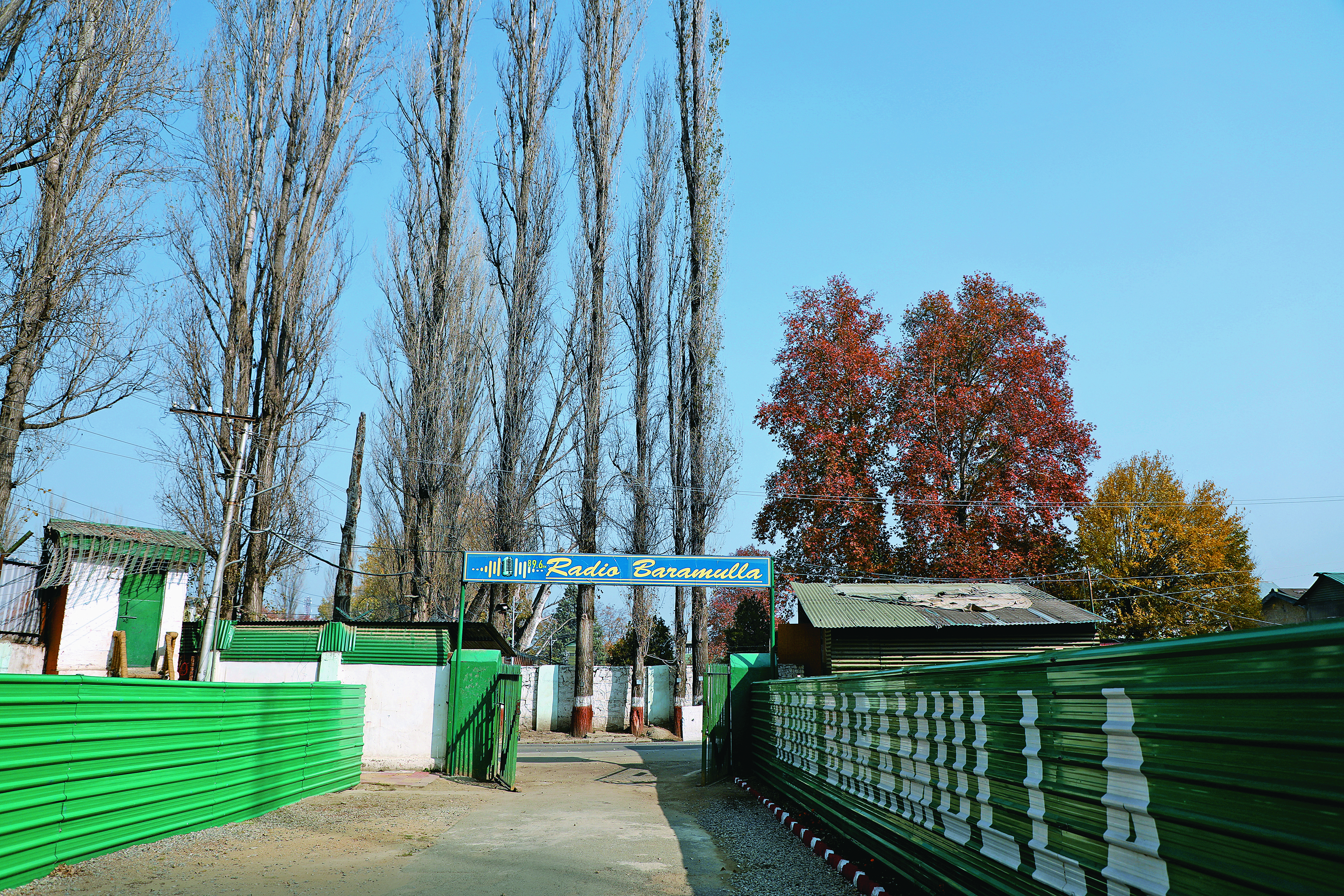
The voice of the people by the Jhelum, carrying conversations across valleys and into hearts
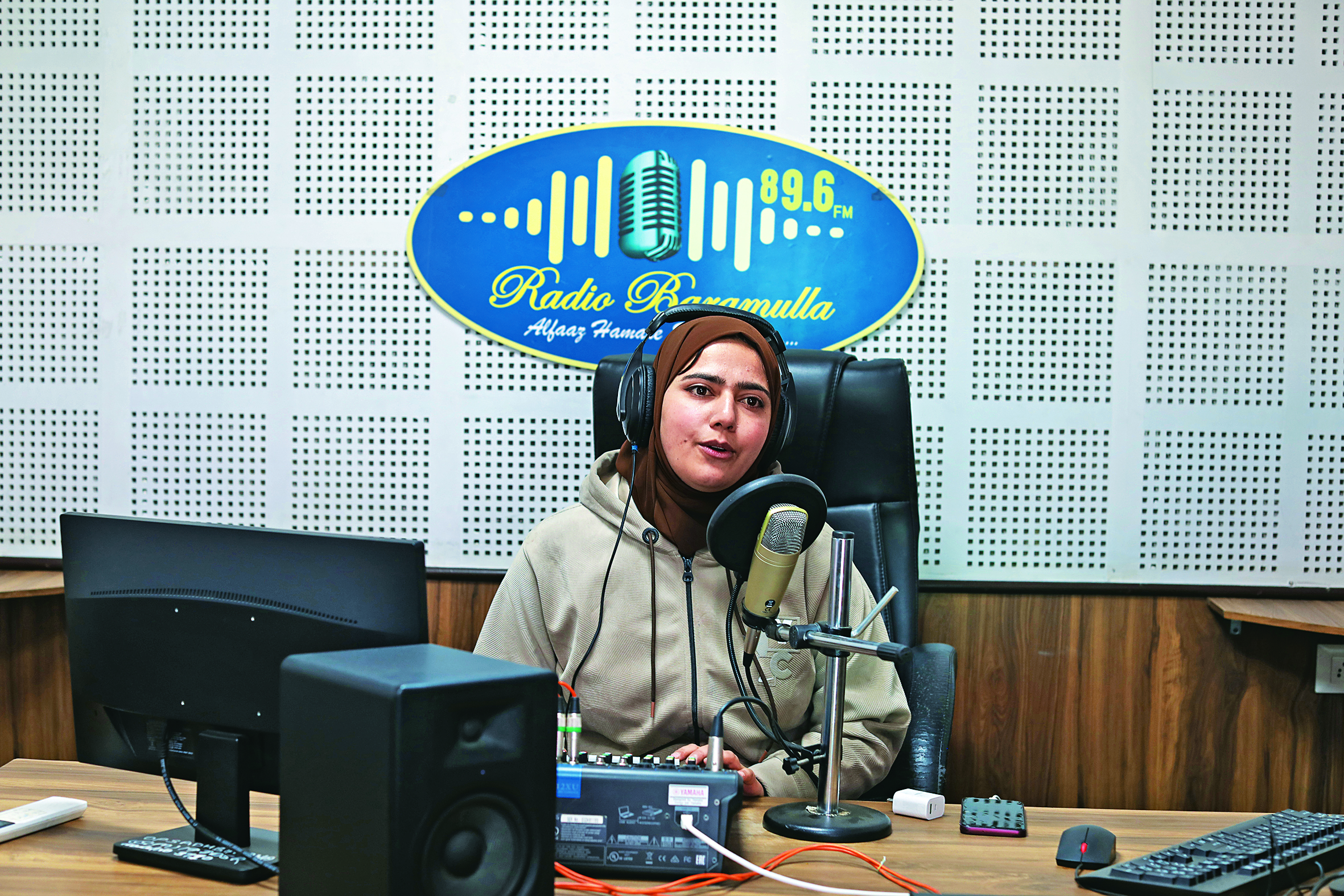
A voice carried on quiet airwaves: where stories once unheard now find warmth, memory, and belonging
with NBCC under a CSR initiative, has become a voice for the community in north Kashmir. In a region often defined by headlines, the station offers something gentler: conversation.
Broadcasting in Kashmiri, Urdu, and Hindi, the station features folk songs, educational programmes, discussions on health and hygiene, agricultural updates, and local stories. It listens as much as it speaks
RJ Harleen Kaur, one of the vibrant voices behind the microphone, sees radio as a means of cultural preservation. “Kashmir has a rich cultural past,” she says. “It is our responsibility to reconnect with our roots and share these stories with the masses because culture survives only when it is shared.
Station Head and Programmer RJ Arif Nabi views the station as a platform for social transformation. “Unemployment had pushed many young people towards substance abuse,” he explains. “We felt it was essential to bring them back to their roots through awareness programmes and mass campaigns.
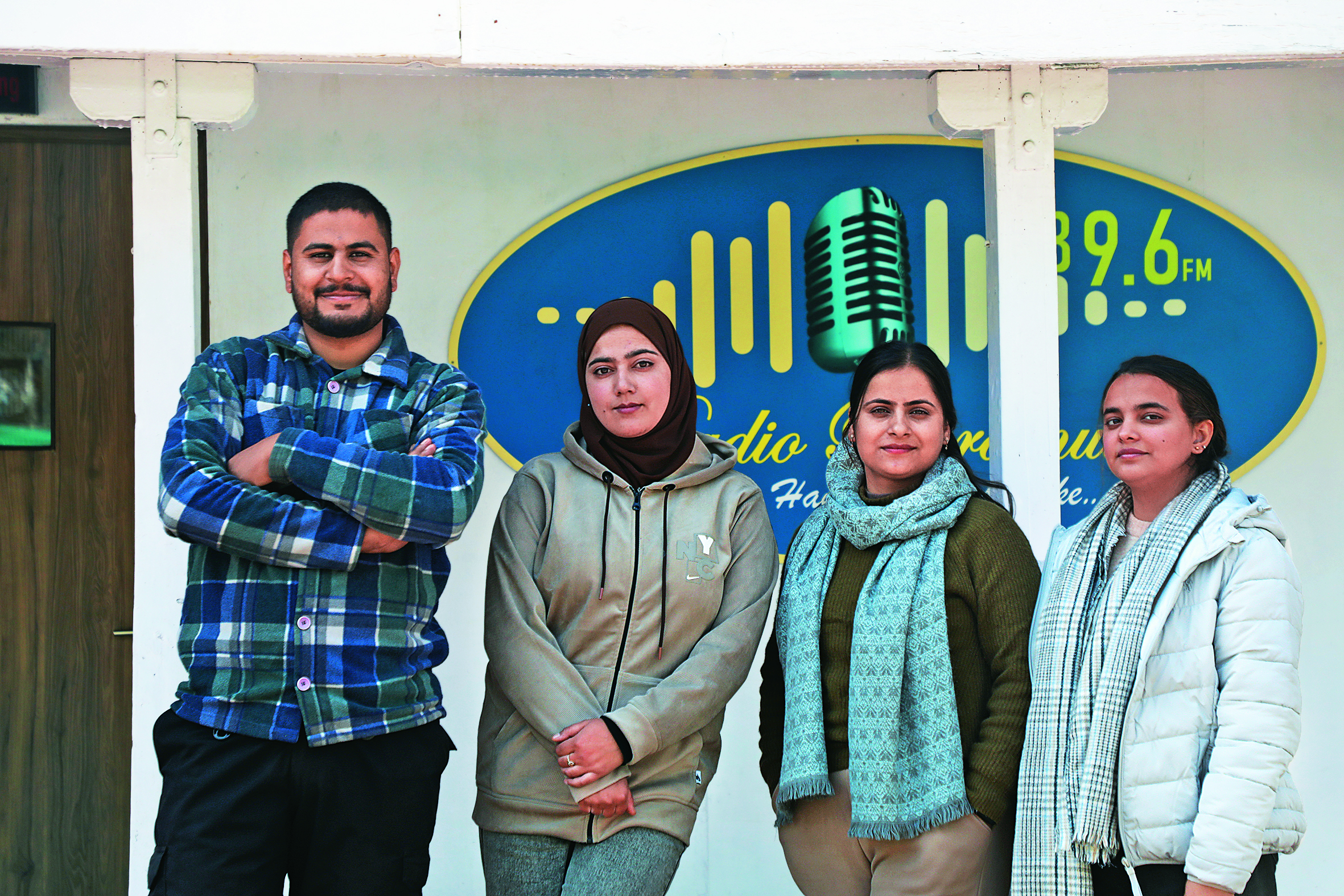
Young voices united by purpose: where dialogue becomes the first step towards understanding.
communities come together on one platform, understanding follows naturally,” she says
Radio Baramulla also serves as a training ground for local youth, offering hands-on experience in broadcasting and media production. For many young Kashmiris, it is their first step into professional life.
A senior Army official associated with the project sums up its essence: “Radio Baramulla is not just a communication channel; it is a symbol of hope, connection, and cultural preservation. In a world dominated by digital noise, a simple radio wave can reach the farthest corners of our valleys – and our hearts.”
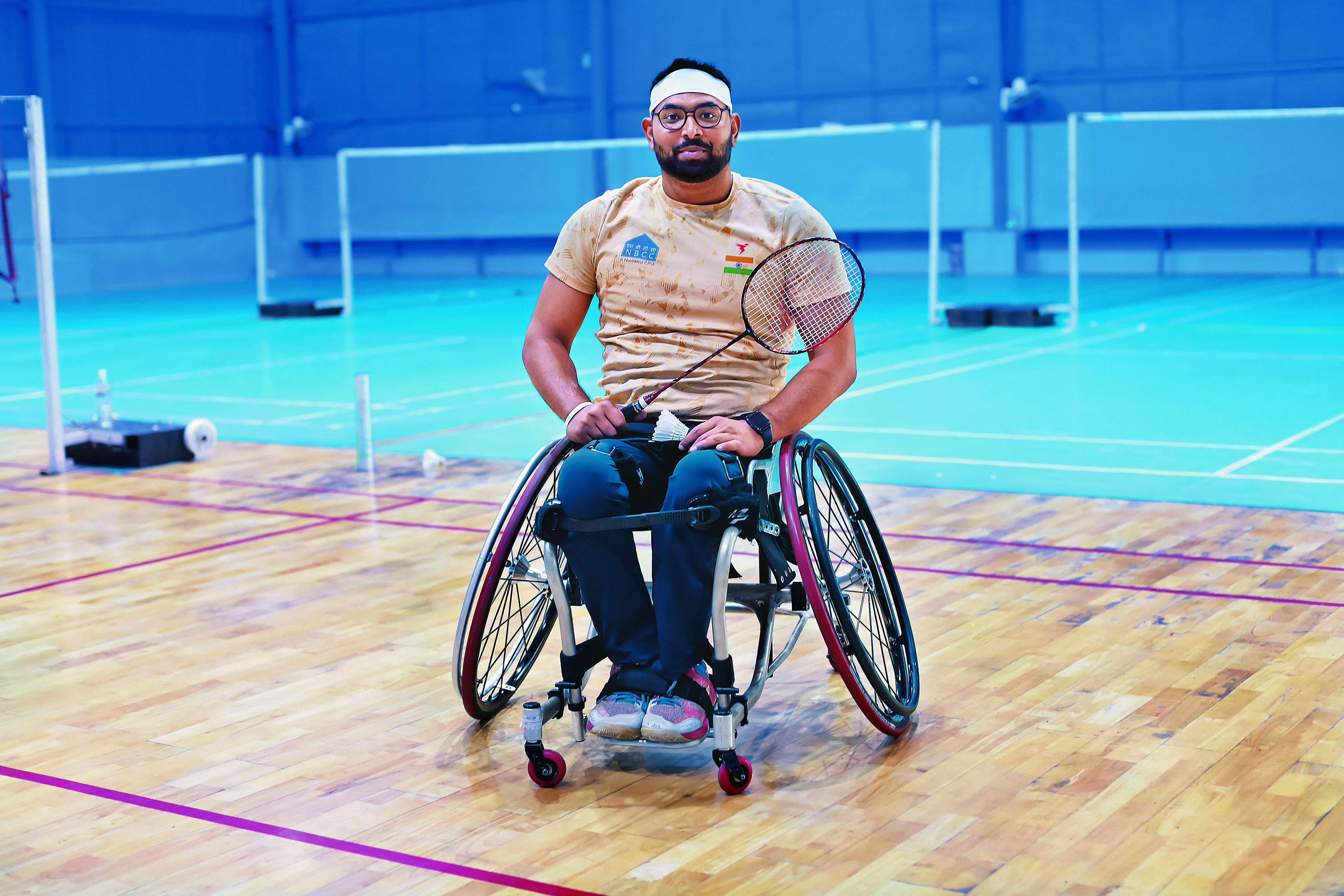
In Delhi, another journey unfolds – this one on a badminton court. Munna Khalid, from Khanpur in Bulandshahr, contracted polio at six months old. The third of seven siblings in a modest household, he grew up with limited exposure and resources.
Determined to study, he worked from childhood – at a PCO booth, making wooden crates, selling fruit and vegetables. Eventually, he secured admission to Jamia Millia Islamia and pursued higher education while supporting himself.
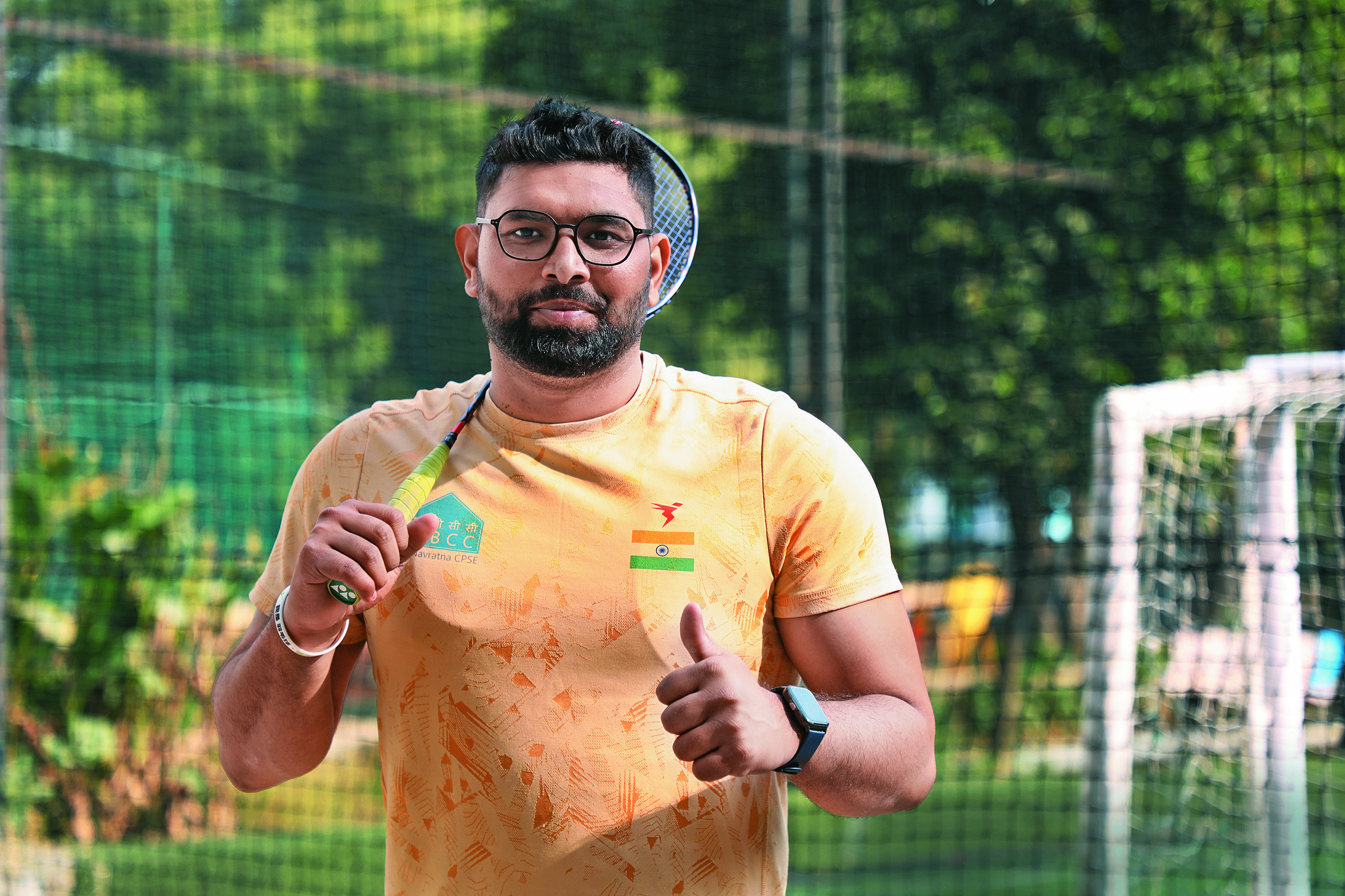
On a badminton court where resilience meets motion, Munna Khalid, a young athlete transforms limitation into strength – powered by belief, discipline, and the right support at the right time.
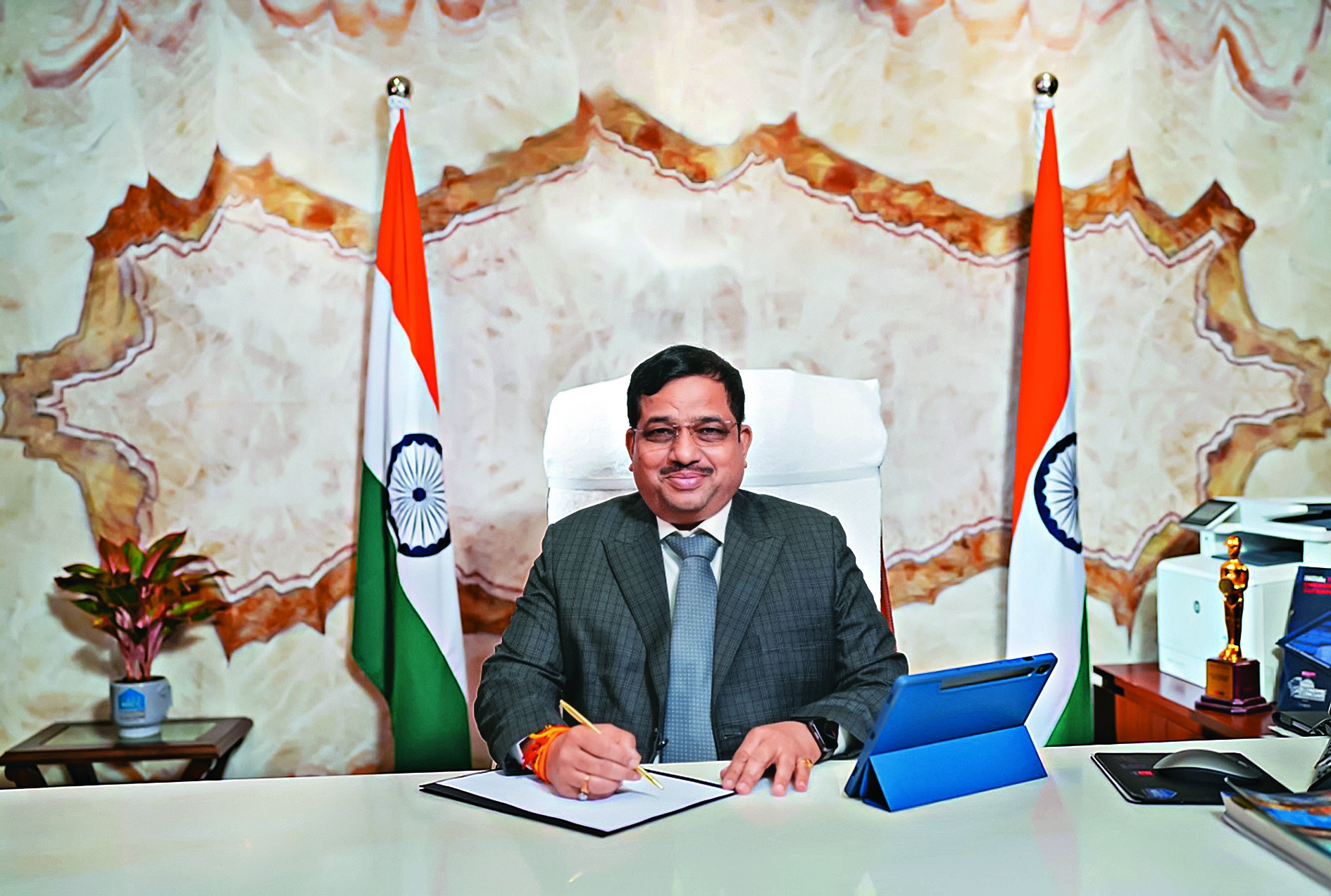
As a responsible corporate organisation, NBCC India believes that true growth must benefit society. Our CSR initiative focuses on health care, education, skill development, women empowerment and essential infrastructure for underprivileged communities. NBCC’s CSR journey is not about charity; it is about partnership. It is about stepping in at the right moment and staying long enough to make a lasting difference. From Jammu and Kashmir in the north to Chennai in the south and from Aurangabad in development, ensuring that progress reaches those who need it most. the balanced and sustainable national development.
Today, Munna has represented India in international tournaments across Thailand, Indonesia, Bahrain, Dubai and Uganda. He holds two gold, two silver and six bronze medals internationally, and is ranked ninth in the world. The Delhi government has honoured him as Best Sportsperson.
He aspires to qualify for the World Championships, Asian Games and the 2028 Paralympics, drawing inspiration from Tokyo Paralympic gold medallist Pramod Bhagat
NBCC’s intervention was not simply about equipment; it was about belief.
From healthcare in Almora to airwaves in Baramulla, from classrooms in Sambhaji Nagar to badminton courts in Delhi, NBCC’s CSR initiatives are guided by a common philosophy: development must be inclusive.
Each story reflects a partnership between institution and community, and between aspiration and opportunity. In every case, NBCC chose to strengthen what already existed – a rural health centre, a local radio initiative, a special school, an athlete’s dream
Infrastructure may be NBCC’s core expertise, but in these stories, the true construction is intangible: trust rebuilt, confidence restored, potential unlocked.