


HOPE THAT CHANGES EVERYDAY LIFE
From women-led enterprise hubs to rehabilitation centres and sports hostels, the Jindal Foundation demonstrates how sustained social investment can turn hope into everyday change
In the quieter regions of India – far from policy tables and balance sheets – development often arrives not with headlines, but as a steady presence. It appears in a woman earning her first independent income, a child finding her voice, or a young athlete learning to believe that excellence is possible beyond the limits of place. These everyday transformations rarely announce themselves, yet they shape lives in ways that endure far longer than any single intervention.
For Jindal Steel, social responsibility has never been treated as a statutory obligation alone. The company consistently invests well beyond the mandatory CSR requirement, guided by a long-standing belief that businesses must actively contribute to the communities that sustain them. Through the Jindal Foundation, this commitment has evolved into a network of initiatives designed to build lasting institutions - places where opportunity, care and skill development come together
Across Odisha, Jharkhand and Chhattisgarh, the Foundation’s work reflects this philosophy of giving back with purpose. From women led livelihood hubs and grassroots sports training programmes to rehabilitation centres for children with special needs, each initiative is rooted in the idea that sustained social investment can unlock human potential over time
A key thread that binds many of these efforts today is HerKadam, a nationwide campaign launched by the Jindal Foundation to bring together its diverse women-focused initiatives under one umbrella. The campaign celebrates and strengthens the empowerment of more than 2.7 million women and girls across India, reflecting the Foundation’s belief that women’s empowerment has far-reaching social impact.
As Shallu Jindal, Chairperson of the Jindal Foundation, explains: “Beyond economics, when we empower a woman, we do not just change her life - we transform the lives of everyone around her. When a woman gains confidence in managing finance, running a business, and making monetary decisions, she alters gender dynamics within her household and community. The income she earns is often reinvested in her children’s education, family health,
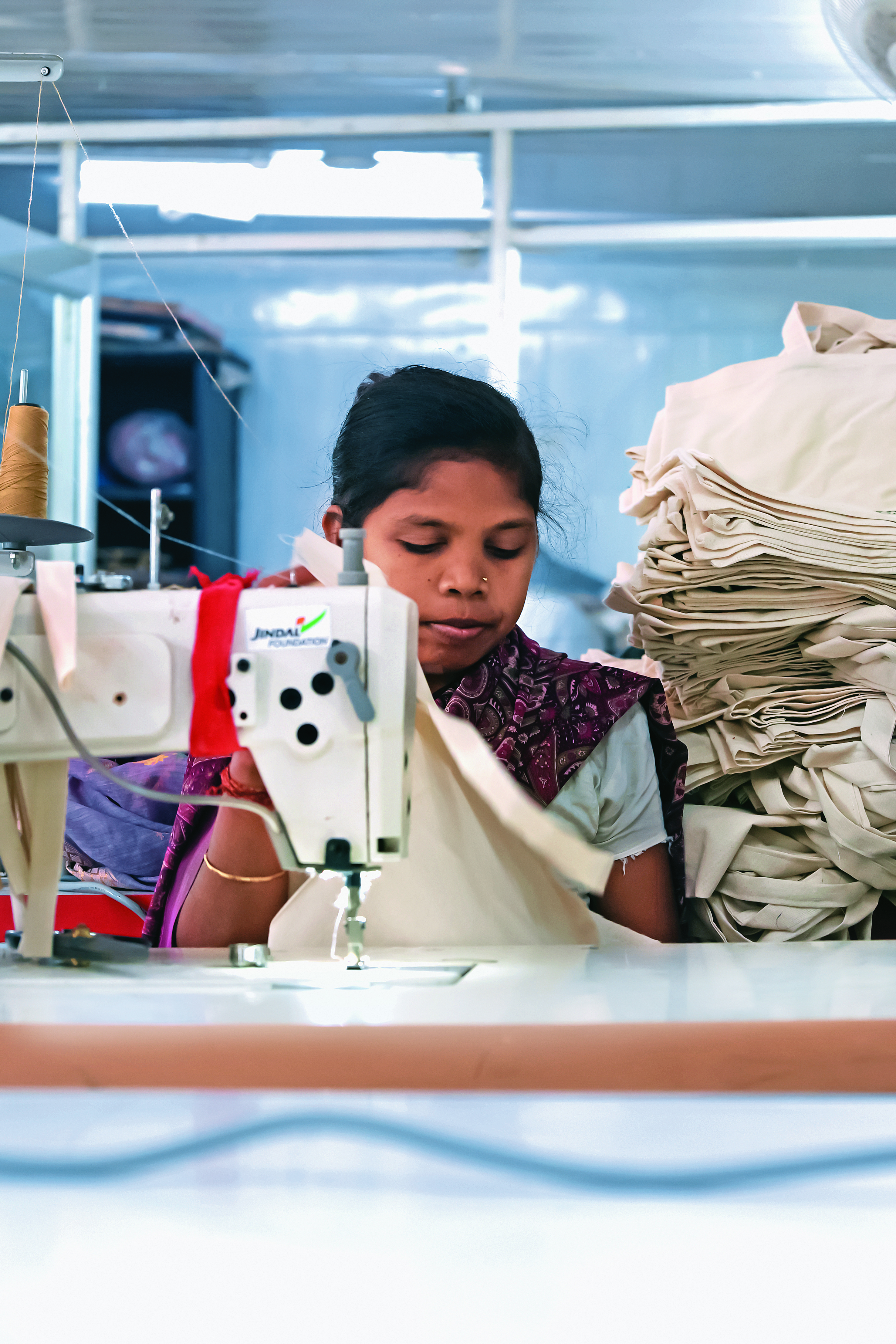
At the Aakriti Stitching and Handicrafts Unit, a self-help group member turns traditional tailoring skills into market-ready products, strengthening both income and confidence.
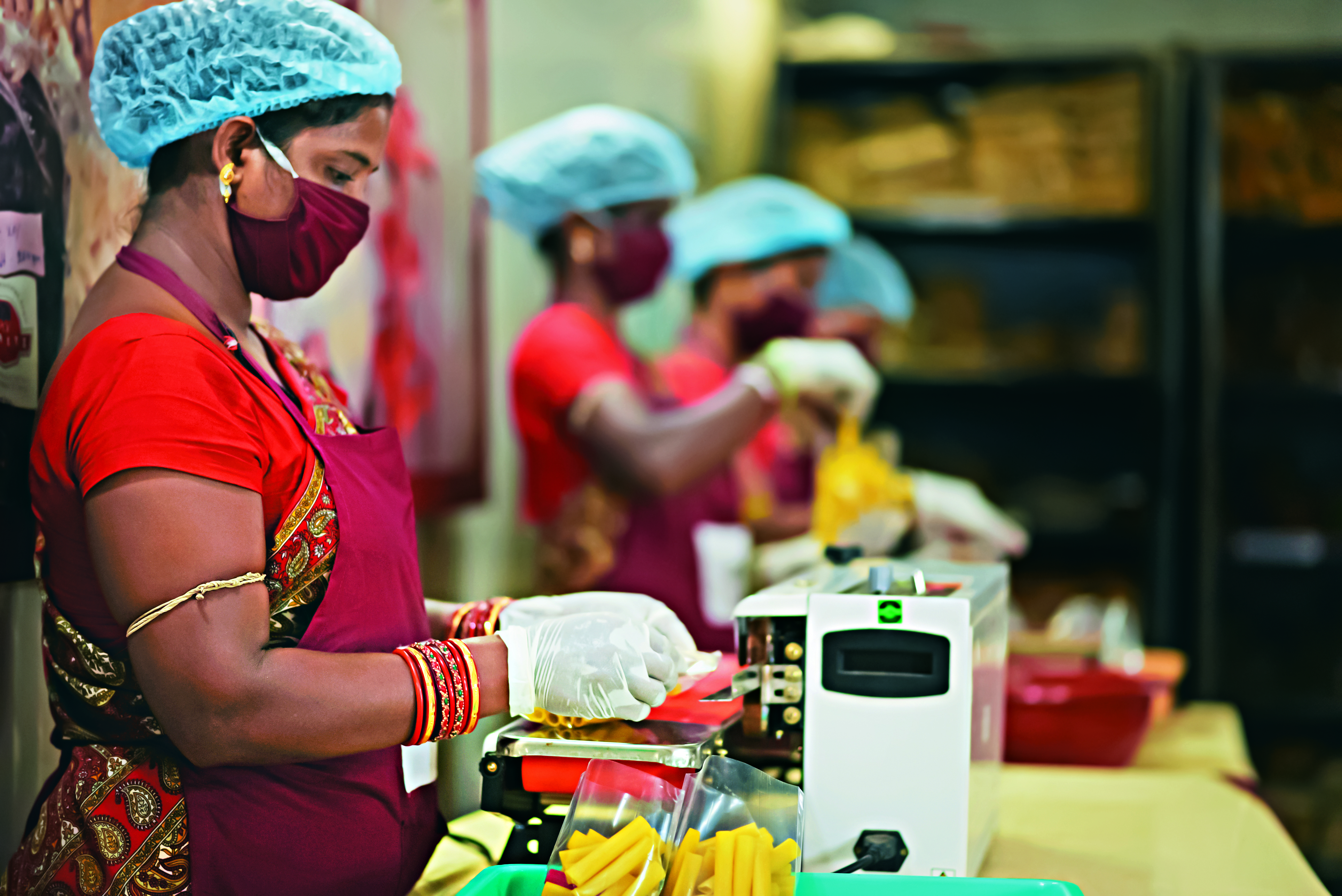
Across multiple units at Jan Jeevika Kendra, women combine skill, organisation and market access, showing how collective enterprise can steadily reshape rural economic realities.
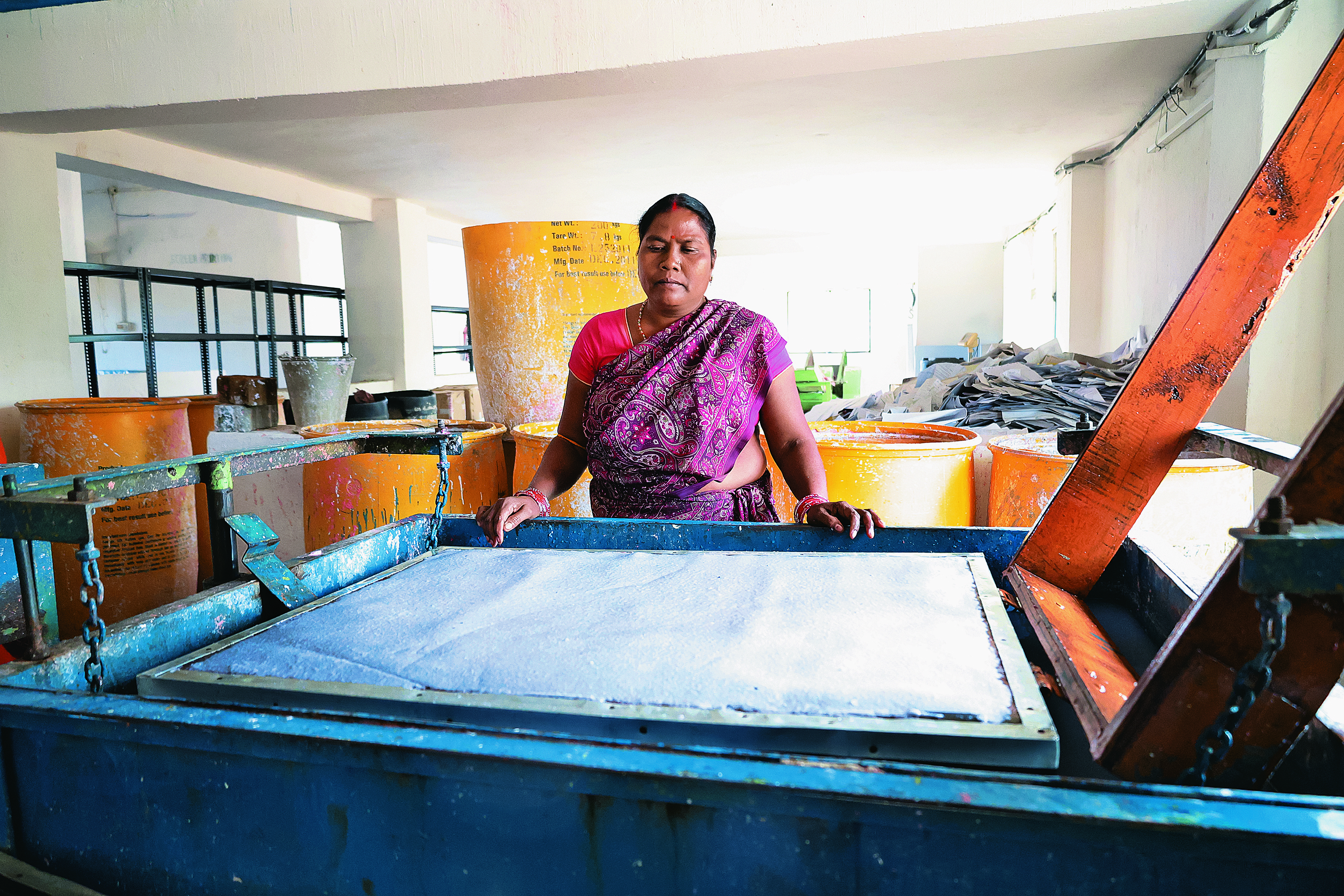
In the waste paper recycling unit, discarded sheets are transformed into folders and stationery, illustrating circular economy principles in action at the grassroots.
It is this conviction that continues to shape the Foundation’s programmes across the country - initiatives that do not merely deliver services, but gradually expand opportunity and dignity within communities.
In Badamahitala village, Angul district, Odisha, an 11-acre campus hums with purposeful activity. Sewing machines whirr, millet snacks are prepared, terracotta takes shape on potters’ wheels, and paper waste is transformed into folders and notepads. This is the Jan Jeevika Kendra, a women-led livelihood ecosystem that has steadily grown into one of the most comprehensive rural enterprise hubs in the region.
Established under the Jindal Foundation’s CSR programme, the Kendra was envisioned as a space where rural women could access skills, infrastructure, and markets under one roof. Today, 95 women from 12 self-help groups work across 12 livelihood units, organised into two At the Aakriti Stitching and Handicrafts Unit, a self-help group member turns traditional tailoring skills into market-ready products, strengthening both income and confidence. producer groups: Maa Hingula for non-farm activities and Maa Mangala for farm-based and recycling enterprises
At the Aakriti Stitching and Handicrafts Unit, women transform traditional tailoring skills into market-ready jute and cloth products – bags, files, folders, and decorative items. Training in quality control and basic bookkeeping has helped standardise production and enabled access to exhibitions and bulk institutional orders.
Pushpanjali Behara, now a Livelihood Support Person with the Maa Hingula Producer Group, traces her journey with quiet pride. “I always wanted to work, but there were no real opportunities here,” she says. “Aakriti trained me not just in stitching, but in maintaining records and coordinating production. Today, I feel confident making decisions both at work and at home.”
Livelihoods at the Kendra are often intertwined with social change. The Shubhangi Biodegradable Sanitary Napkin Unit produces affordable, eco-friendly pads sold locally and distributed during awareness drives. Beyond income, the unit has become a focal point for conversations

Members of the Sugandandi Agarbatti unit prepare incense sticks for bulk supply, linking rural enterprise with stable institutional markets.
Discipline, routine and sustained mentorship define daily life here, where young athletes learn that ambition, when supported, can travel far beyond geography.
around menstrual hygiene in surrounding villages. “My monthly earnings help pay for my child’s education,” says Banasmita Nahak, associated with the unit and serving as a Livelihood Support Person for Maa Mangala.
Food processing units add value to local agriculture. Millet-based snacks and traditional foods retain nutrition and income within the village economy, while the Eco Spa Herbal Body and Skincare Unit uses locally available ingredients to produce chemical-free products. During the pandemic, the unit’s ability to pivot quickly – to masks and sanitisers – proved critical
Circular economy principles are evident in the Waste Paper Recycling Unit, while the Sugandandi Agarbatti Unit has stabilised incomes through sustained bulk procurement. Traditional terracotta crafts are preserved and reconnected to markets, reinforcing eco-friendly household practices.
Agriculture-based initiatives – from mushroom cultivation using paddy straw to azolla farming, vermicomposting, and an organic vegetable demonstration plot – showcase low-input, sustainable practices. “Earning income from the first harvest so quickly gave me confidence,” says Mamata Pradhan, an organic farming beneficiary. “When farmers see results on the campus, they are more willing to try it themselves.
Beyond livelihoods, the Kendra also anchors community welfare – supporting vulnerable families under a Zero Hunger initiative and contributing to tuberculosis awareness aligned with the TB Mukt Bharat mission. Over time, Jan Jeevika Kendra has evolved into a replicable rural development blueprint – patiently stitched, grown, and nurtured by women themselves
Dreams and the Making of Champions
Several hundred kilometres away, in Soyabali near Barbil in Keonjhar district, a very different rhythm shapes daily life. Here, dawn begins with yoga and conditioning, evenings are devoted to intense training sessions, and discipline is a way of life. The Jindal Foundation Wushu Sports Complex and Hostel stands as a powerful reminder that world-class opportunities need not be confined to cities.
What began in 2011 with just 30 students has grown into one of eastern India’s most impactful grassroots sports development programmes. Over the past decade, more than 2,000 tribal and rural youth have been trained in Wushu and Kickboxing, in partnership with the Odisha State Wushu Association.
The modern residential hostel, established in 2023, accommodates 60 young athletes. The campus offers professional Wushu mats, training halls, a fourth-generation gym, balanced nutrition, regular medical check ups every three months, and mental conditioning – all under the guidance of certified coaches, including Asian Games gold medallists.
The Foundation invests approximately ₹1.90 crore annually in the programme, covering food, clothing, education, training, sports kits, medical care, travel for tournaments, and monthly stipends. Financial support ranges from ₹700 for sub-juniors to ₹2,000 for international achievers – amounts that often make the difference between continuing and dropping out
The Foundation invests approximately ₹1.90 crore annually in the programme, covering food, clothing, education, training, sports kits, medical care, travel for tournaments, and monthly stipends. Financial support ranges from ₹700 for sub-juniors to ₹2,000 for international achievers – amounts that often make the difference between continuing and dropping out
Education is non-negotiable. Schooling up to Class 12 is supported within the hostel, while higher education and technical courses receive sponsorship and admission assistance
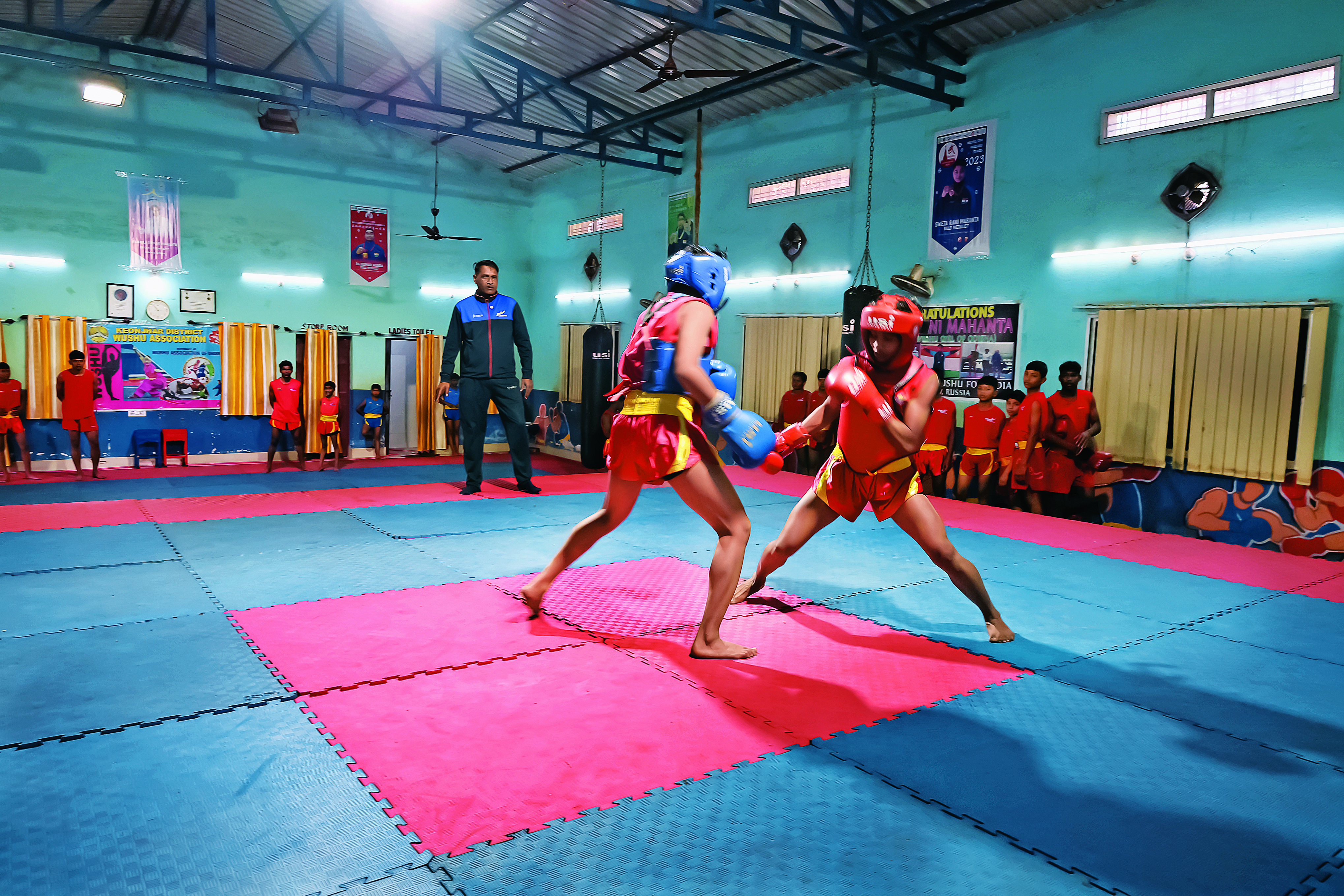
Young athletes train at the Jindal Foundation Wushu Sports Complex in Barbil, where disciplined coaching and structured support are shaping national and international medal winners
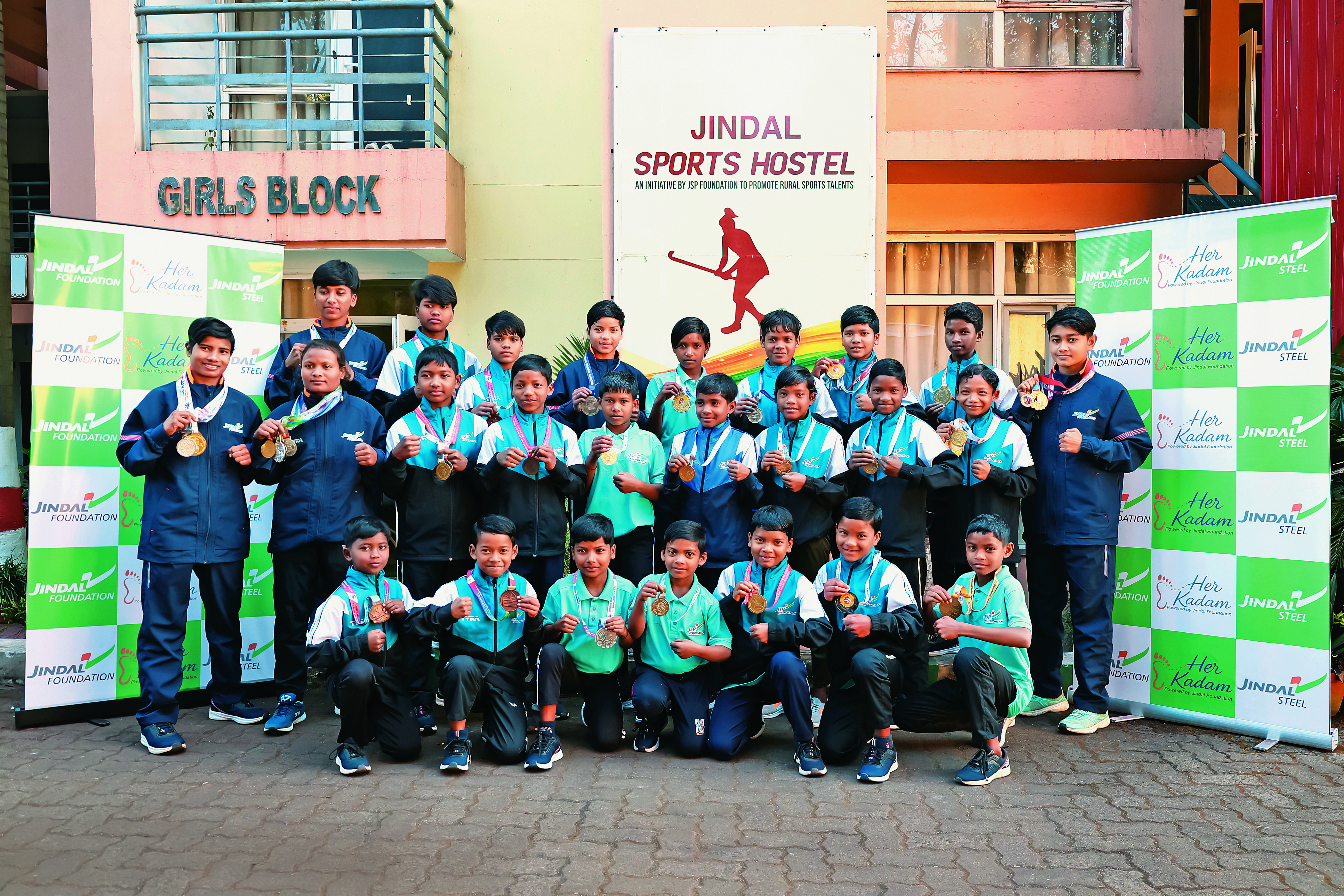
Students of the Jindal Sports Hostel celebrate their achievements, reflecting a grassroots sports programme that has produced 731 medals across state, national and international competitions
Whether in classrooms, hostels or training halls, structured support systems ensure education and personal growth remain central to every athlete’s journey.
The results speak for themselves. Since inception, 986 athletes have competed, winning 731 medals—252 at the national level, 470 at state competitions, and nine international. The overall win rate stands at around 77 per cent, with a 100 per cent success rate in international events.
Rajkumar Munda, 19, adds, “We used to practise on mud and sand, often getting injured. After coming here, everything changed.” Alongside sport, the Foundation sponsored his ITI education. “Managing studies and sport together became possible only because of this support.”
The programme’s influence extends well beyond the campus. Through outreach, it has reached over 2,500 rural and tribal youth, and has inspired further investment in sports infrastructure by the Keonjhar District Wushu Association. In building futures – not just champions – the initiative has reshaped what rural youth believe is possible.
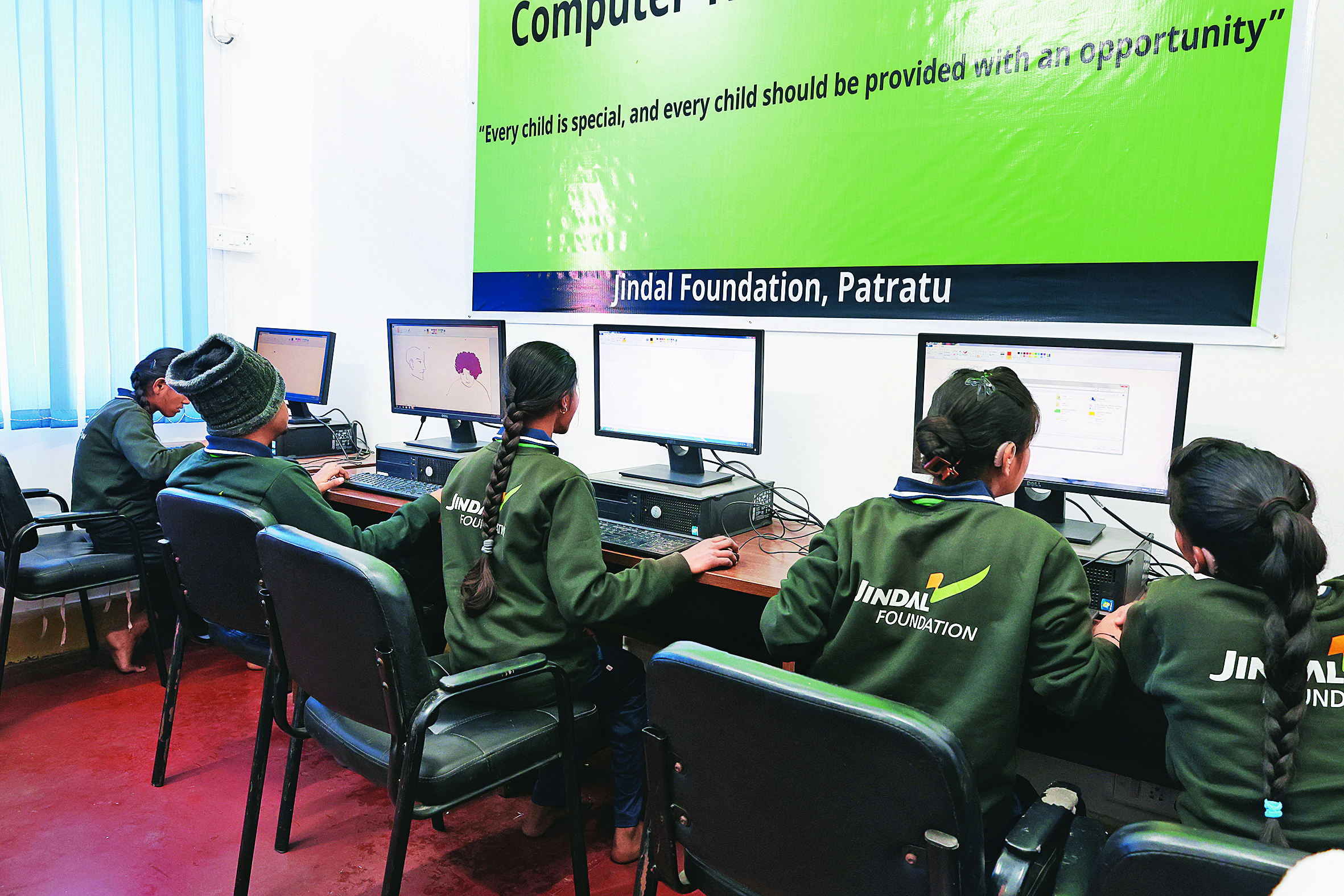
Students at the Jindal Sports Hostel use computer facilities for academic learning, reflecting the Foundation’s emphasis on balancing education with athletic training
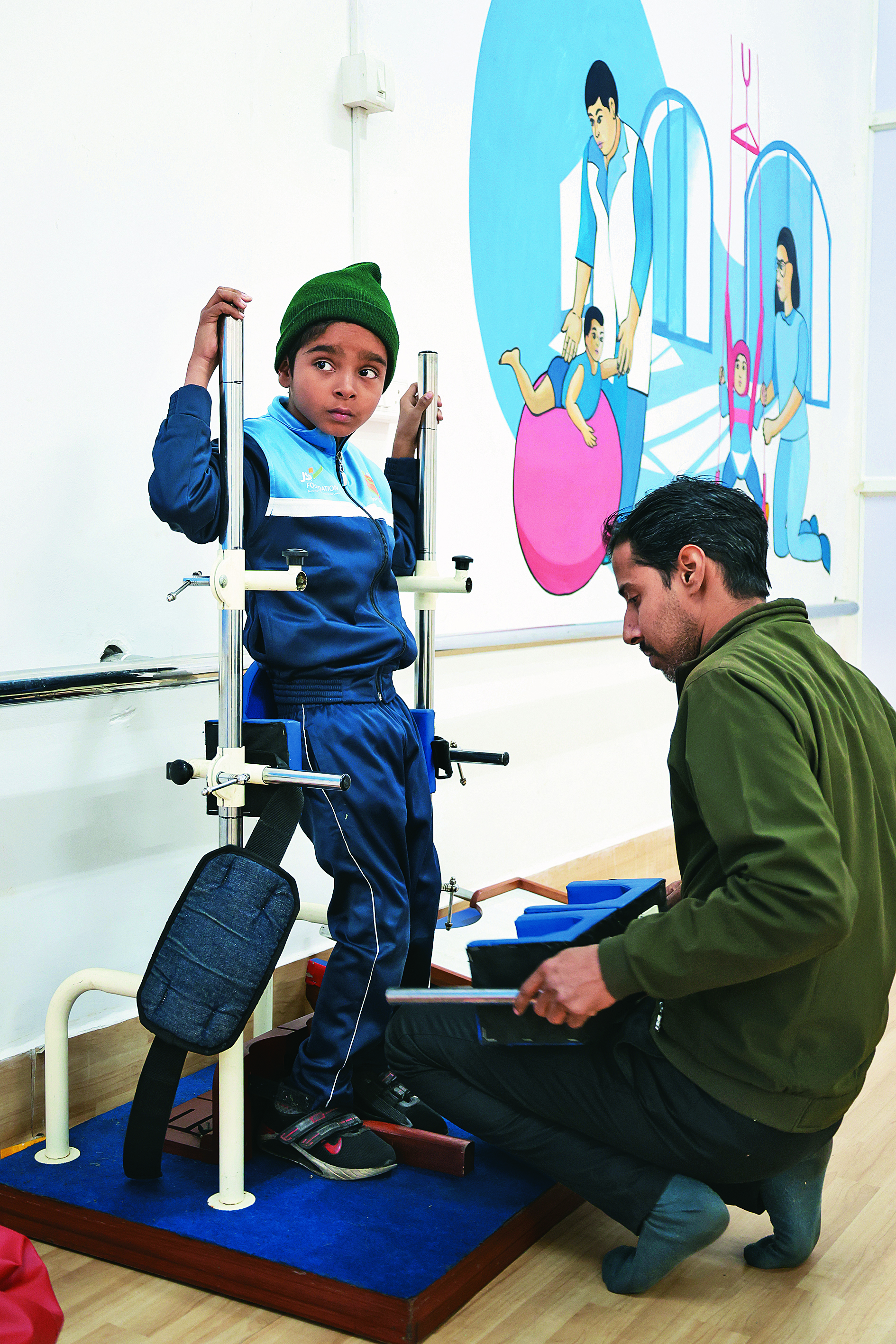
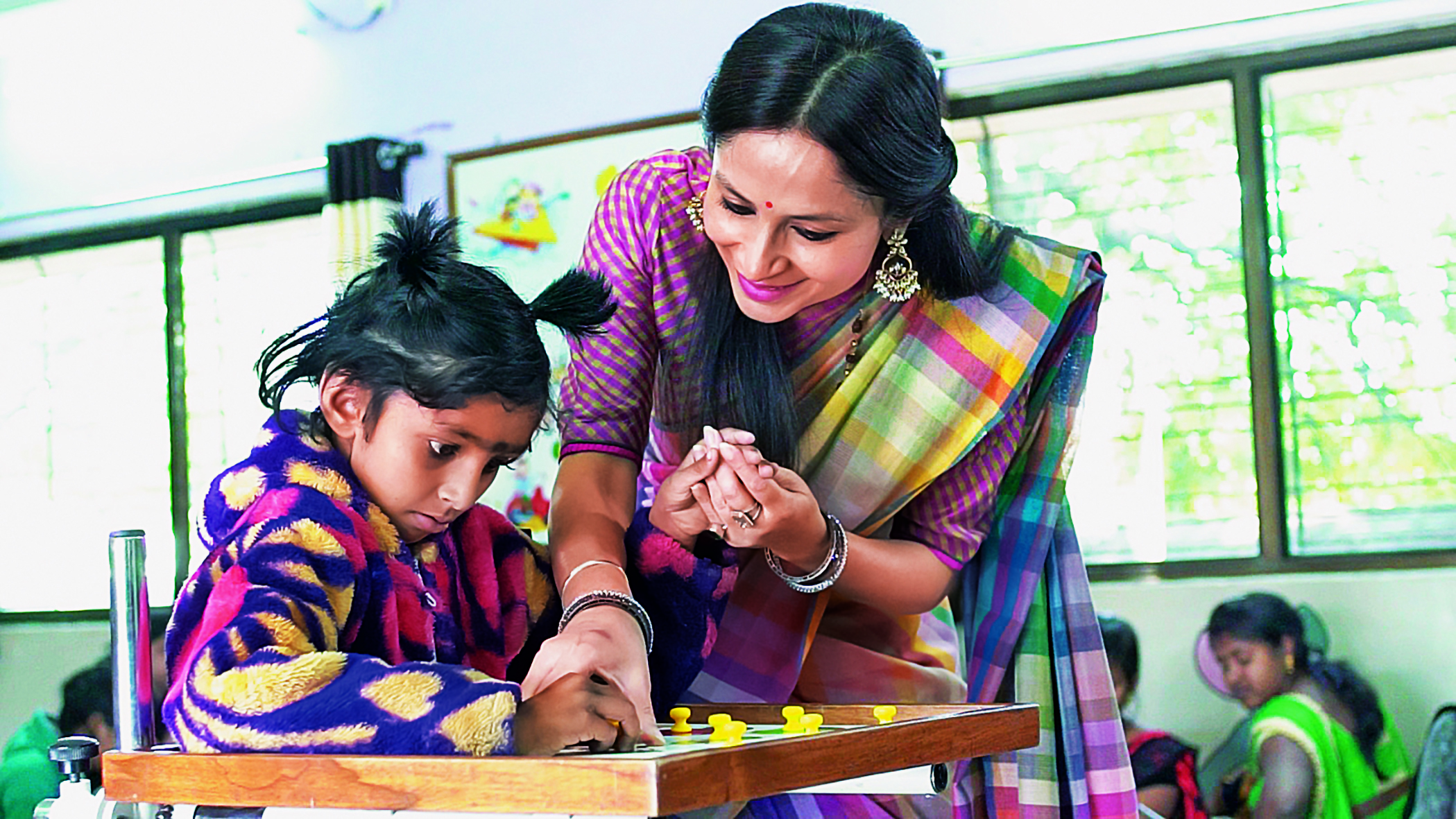
At Jindal Asha in Patratu, Jharkhand, personalised therapy sessions support children with special needs in building mobility, communication and confidence.
Shallu Jindal, Chairperson, Jindal Foundation
HerKadam reflects our belief that when women gain confidence, financial independence and leadership, they uplift entire communities. By bringing our initiatives together, we are helping millions of women step forward with dignity and opportunity
structured routine of therapy, recreation, and learning, and return home each afternoon visibly more confident. The centre works closely with government departments and partners such as Special Olympics Bharat to ensure holistic care and social integration
“When I joined, many children could not sit or walk properly,” says Ekta Rani, a physiotherapist. “With regular therapy, they have improved greatly. Children who once struggled to move are now attending school.”
Special educator Sumanth Kumar focuses on life skills and confidence. He recalls a child with a locomotor problem who learned Sohrai painting at the centre. “Today, he earns from his artwork and is respected in society. That is real empowerment.
Parents speak of renewed hope. “After one month, my son can walk with support and understand basic things,” says Preeti Kumari, mother of a child with cerebral palsy.
Asha: From Raigarh to a National Model
The Patratu centre forms part of a broader vision that began in August 2009 in Raigarh, Chhattisgarh. Asha – The Hope was established as a comprehensive response to the neglect experienced by children with disabilities in rural and semi-urban India.
Each Asha campus operates as a structured day-care rehabilitation centre, serving approximately 110-130 children daily and providing free transport, which is often the greatest barrier to access. Therapies are ongoing and tailored, making use of the brain’s neuroplasticity in early childhood.
Beyond therapy, Asha emphasises vocational training and sports to challenge stigma and promote independence. By the end of 2024–25, the programme had empowered more than 5,500+ differently-abled children across its centres in Chhattisgarh, Odisha, and Jharkhand.
Jyoti, whose brother is enrolled, summarises the impact: “After coming to Jindal Asha, we felt real relief. The progress in his behaviour and communication has been remarkable.”
Investing in Human Potential
Together, these initiatives reveal a CSR approach that is both expansive and deeply human. From women-led livelihoods and tribal sports excellence to inclusive care for children with challenges, the Jindal Foundation’s work demonstrates what is possible when corporate responsibility is guided by patience, empathy, and long term vision.
In villages and districts often overlooked, new futures are being quietly built – stitched in workshops, trained on mats, nurtured in therapy rooms. It is here, far from headlines, that inclusive development finds its most enduring form.
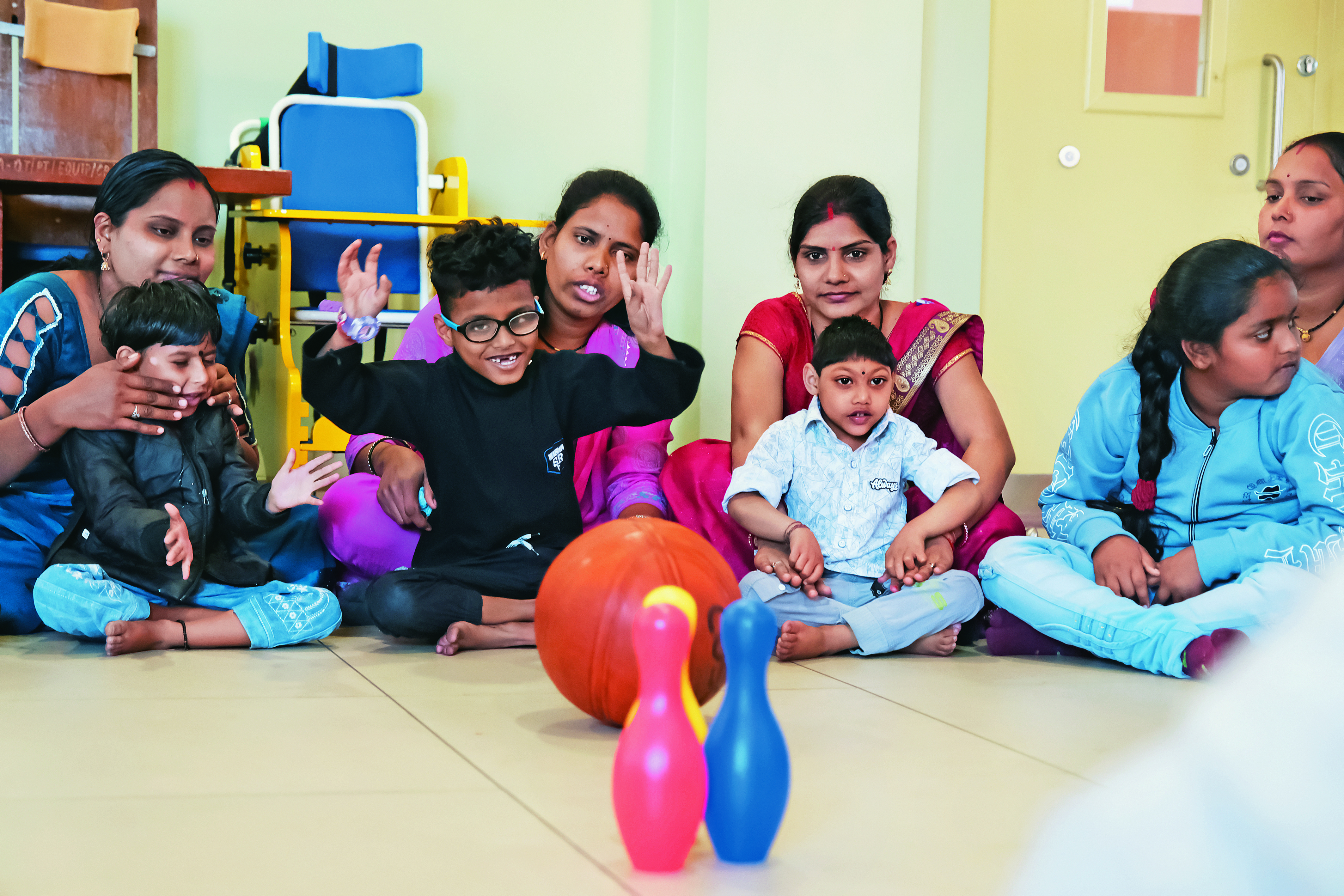
Children and caregivers at the Jindal Asha Centre share a moment of learning and play, embodying a programme that has empowered over 6,000 differently abled children across three states.