



PROTECTING WATER EMPOWERING LIVES
Across India, water has quietly moved from being a taken-for-granted resource to a daily concern. In cities, water tankers now supplement piped supply. In industrial belts, groundwater tables are falling alarmingly. In villages, rivers that once sustained agriculture and livelihoods are increasingly burdened by untreated sewage.
Even where water is available, its use is often inefficient. Large quantities of potable water are flushed away for toilets, cleaning, landscaping and industrial processes -- tasks that do not require drinking-quality water
What happens after this water is used is equally troubling. Wastewater from homes, hospitals, schools, factories and institutions is routinely discharged into drains and rivers, polluting ecosystems, contaminating groundwater and posing serious public health risks. Poor sanitation, river pollution and water scarcity reinforce one another, often affecting the same communities.
Yet within this challenge lies a powerful possibility: what if wastewater could be treated where it is generated and reused safely, instead of being discarded? What if sanitation infrastructure could reduce pollution while simultaneously creating an alternative source of water for non-potable use
This idea forms the foundation of the Corporate Social Responsibility (CSR) initiatives of Daiki Axis India Pvt. Ltd., the Indian arm of Japan’s Daiki Axis Corporation. Through decentralised sewage and wastewater treatment using advanced Johkasou technology, the company is demonstrating that wastewater is not a liability; it is a recoverable, reusable resource that can directly improve sanitation and water security on the ground
Rather than treating this work as a peripheral CSR obligation, Daiki Axis India approaches it as a long-term environmental and social mission. Its installations span dense cities and rural villages, factories and farms, hospitals and schools - real-world settings where sanitation challenges are immediate and visible - each designed to solve a local problem while contributing to a broader national response to water scarcity.

Treated wastewater is released safely after purification – a visible step towards cleaner rivers and responsible water reuse.
Built for simplicity, durability and low maintenance, Johkasou systems demonstrate that effective sanitation infrastructure need not be complex or disruptive – it can be compact, reliable and ready for real-world use
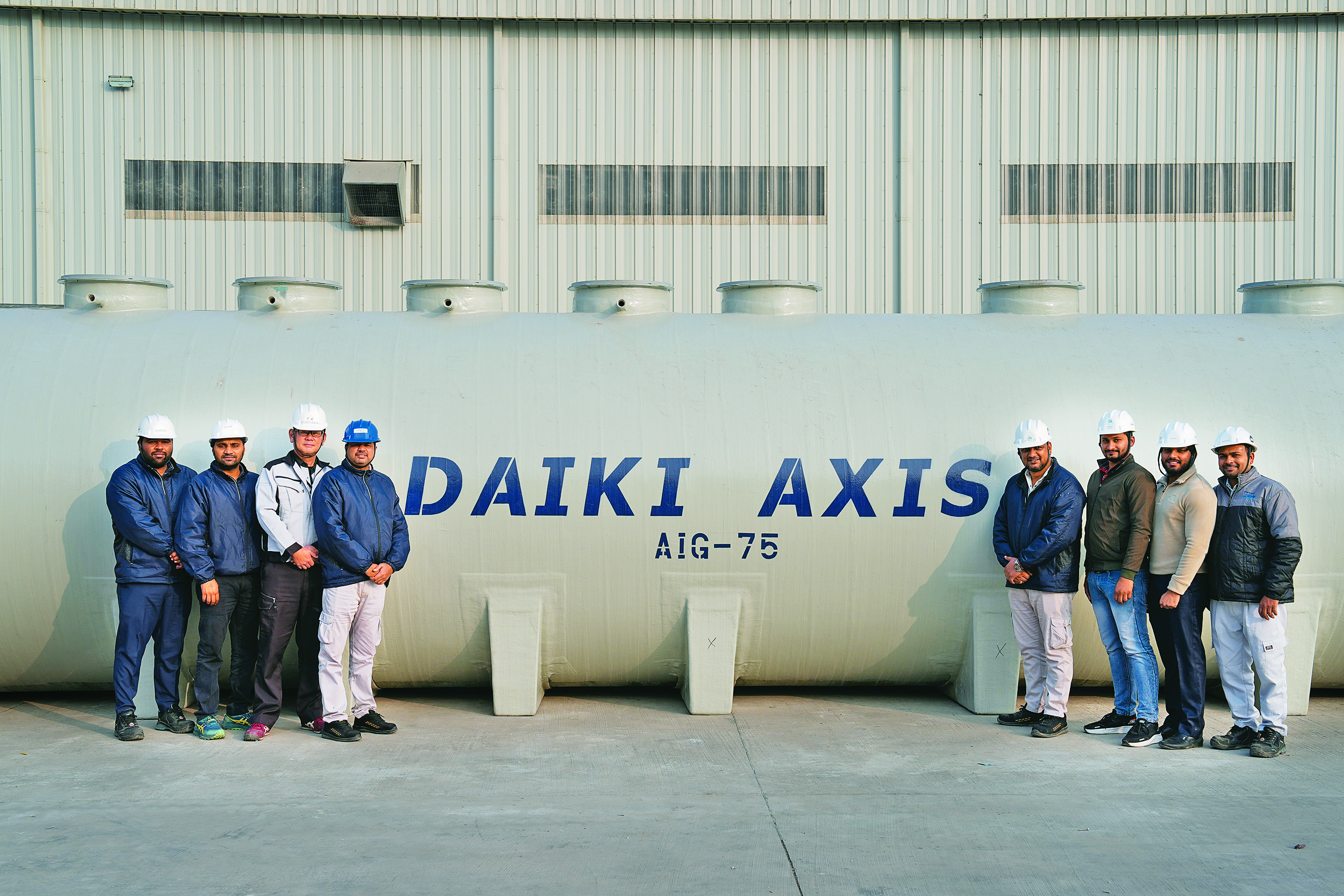
Daiki Axis Johkasou technology at work – turning wastewater into a dependable resource and preventing pollution
Johkasou technology was developed in Japan, a country that, like India, has had to reconcile rapid development with limited natural resources. Over decades, Japan refined decentralised wastewater treatment systems that could function efficiently in compact spaces, consume minimal energy, and deliver consistent output without complex operations or heavy manpower - addressing exactly the concerns that often make sewage treatment plants (STPs) unpopular or poorly maintained
Today, this technology is being manufactured and deployed locally in India, making it affordable, scalable and suited to Indian conditions. Explaining the company’s journey, Rio Waza, Managing Director and CEO of Daiki Axis India, says the localisation of technology has been a key enabler. “We set up our first manufacturing plant in Gujarat in 2018, followed by a second plant in Palwal, Haryana, in 2022. We are now moving towards establishing our third plant in Bengaluru.”
Local manufacturing has allowed the company to adapt Japanese technology to Indian realities by keeping costs low and maintenance simple - two factors that directly address the widespread perception of STPs as expensive and difficult to operate. So far, nearly 1,600 decentralised sewage and wastewater treatment plants have been installed across India.
Yet Waza is candid about the scale of the challenge ahead. “For a country as large as India, this number is still very small. Every city and every home needs such solutions,” he says. “Globally, our company has installed nearly two million plants, which shows that water scarcity is not limited to one country alone.
Yet Waza is candid about the scale of the challenge ahead. “For a country as large as India, this number is still very small. Every city and every home needs such solutions,” he says. “Globally, our company has installed nearly two million plants, which shows that water scarcity is not limited to one country alone.
Decentralised Treatment Matters on the Ground
Traditional sewage treatment systems rely on large, centralised plants that require extensive sewer networks, large land parcels and high energy inputs. In rapidly growing cities and dispersed rural settlements, such infrastructure is often impractical, delayed or financially unviable.
Johkasou systems address this gap by treating wastewater at the source - whether that source is a household, hospital, school campus, industrial unit or village cluster. The treated water can then be reused
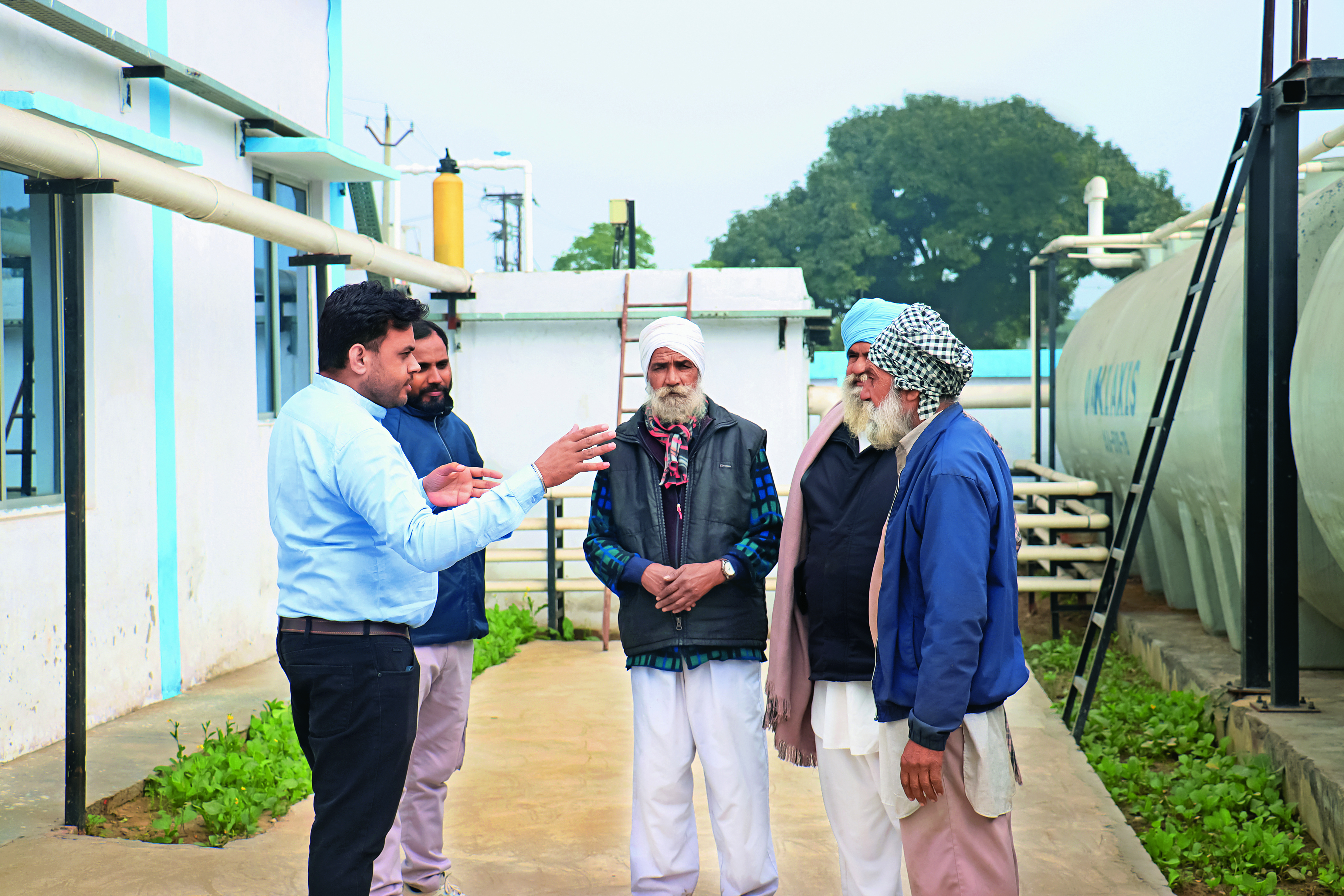
On-ground engagement with local farmers – linking wastewater treatment, irrigation reuse, and improved agricultural outcomes.

Green spaces sustained through reuse: treated wastewater nourishes plants while conserving precious freshwater
locally for non-potable purposes such as toilet flushing, gardening, landscaping, cleaning, dust suppression and industrial processes, reducing dependence on freshwater while ensuring sanitation outcomes are visible and immediate
According to Kamal Tiwari, Director-CEO of Daiki Axis India, decentralisation is not merely a technical choice; it is a necessity. “The water crisis is no longer a problem of one country or one state. Without proper treatment and awareness, it threatens the entire world,” he says. “That is why solutions must be collective.”
Johkasou plants are built using fibre-reinforced plastic (FRP), making them compact, durable and adaptable. They consume very little electricity, generate no noise pollution, and require minimal space - features that allow installation even in dense urban neighbourhoods or small villages, and which directly counter the notion that STPs are disruptive or difficult to manage
At the environmental level, decentralised treatment prevents untreated sewage from entering rivers and groundwater. At the user level, it creates a reliable alternative water source for everyday non-drinking needs. Sanitation improvement, pollution abatement and water conservation converge in one functional system.
Building Awareness Alongside Infrastructure
Daiki Axis India’s CSR work goes beyond installing plants. Recognising that technology alone cannot solve the water crisis, the company invests in awareness and capacity building, ensuring that systems remain functional and trusted over time. “Compared to the scale of the problem, our efforts are still at an early stage,” Kamal Tiwari acknowledges. “Public participation is essential."
The company partners with colleges and universities to train students in the operation and maintenance of Johkasou systems - creating confidence around STP functionality while also generating employable skills
Advisor K. C. Pandey places the challenge in perspective. “India has nearly 20 per cent of the world’s population, but only about 4 per cent of its freshwater resources,” he says. “Our goals must therefore be ambitious - both in awareness and action.”
The company’s efforts have received recognition, including the FICCI Water Innovation Award, the CII Green Product Award, and acknowledgements from the Government of India and the Ministry of Jal Shakti. “We still see this as just the beginning,” Pandey says. “Our board has resolved to expand these efforts to every state and accelerate our work in water conservation and sanitation.”

By treating wastewater at the point of generation, we are not just preventing pollution; we are creating a dependable Green spaces sustained through reuse: treated wastewater nourishes plants while conserving precious freshwater.
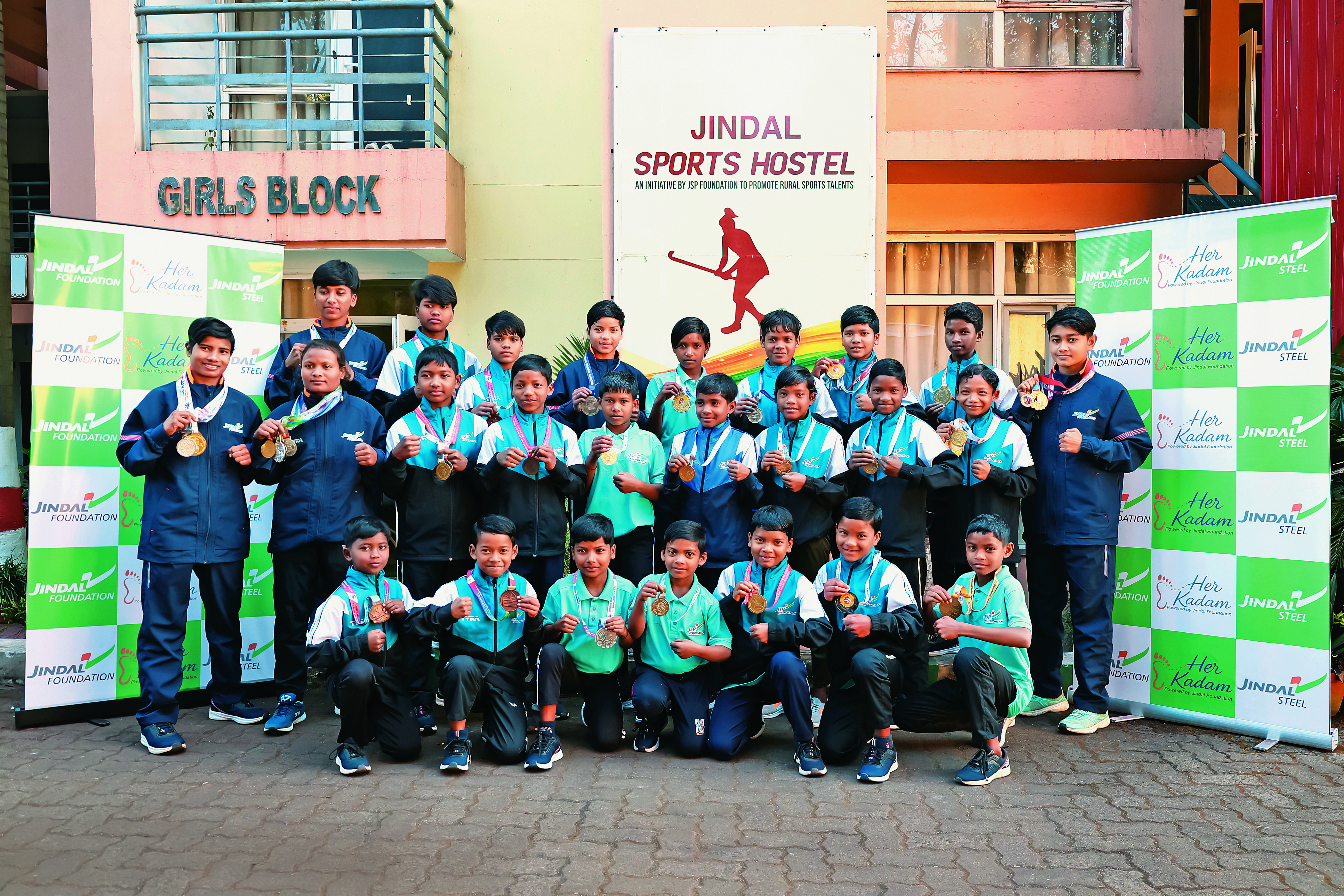
Students of the Jindal Sports Hostel celebrate their achievements, reflecting a grassroots sports programme that has produced 731 medals across state, national and international competitions
Whether in classrooms, hostels or training halls, structured support systems ensure education and personal growth remain central to every athlete’s journey.
The results speak for themselves. Since inception, 986 athletes have competed, winning 731 medals—252 at the national level, 470 at state competitions, and nine international. The overall win rate stands at around 77 per cent, with a 100 per cent success rate in international events.
Rajkumar Munda, 19, adds, “We used to practise on mud and sand, often getting injured. After coming here, everything changed.” Alongside sport, the Foundation sponsored his ITI education. “Managing studies and sport together became possible only because of this support.”
The programme’s influence extends well beyond the campus. Through outreach, it has reached over 2,500 rural and tribal youth, and has inspired further investment in sports infrastructure by the Keonjhar District Wushu Association. In building futures – not just champions – the initiative has reshaped what rural youth believe is possible.
The team behind decentralised wastewater solutions – local expertise driving sanitation improvement and pollution control across communities.
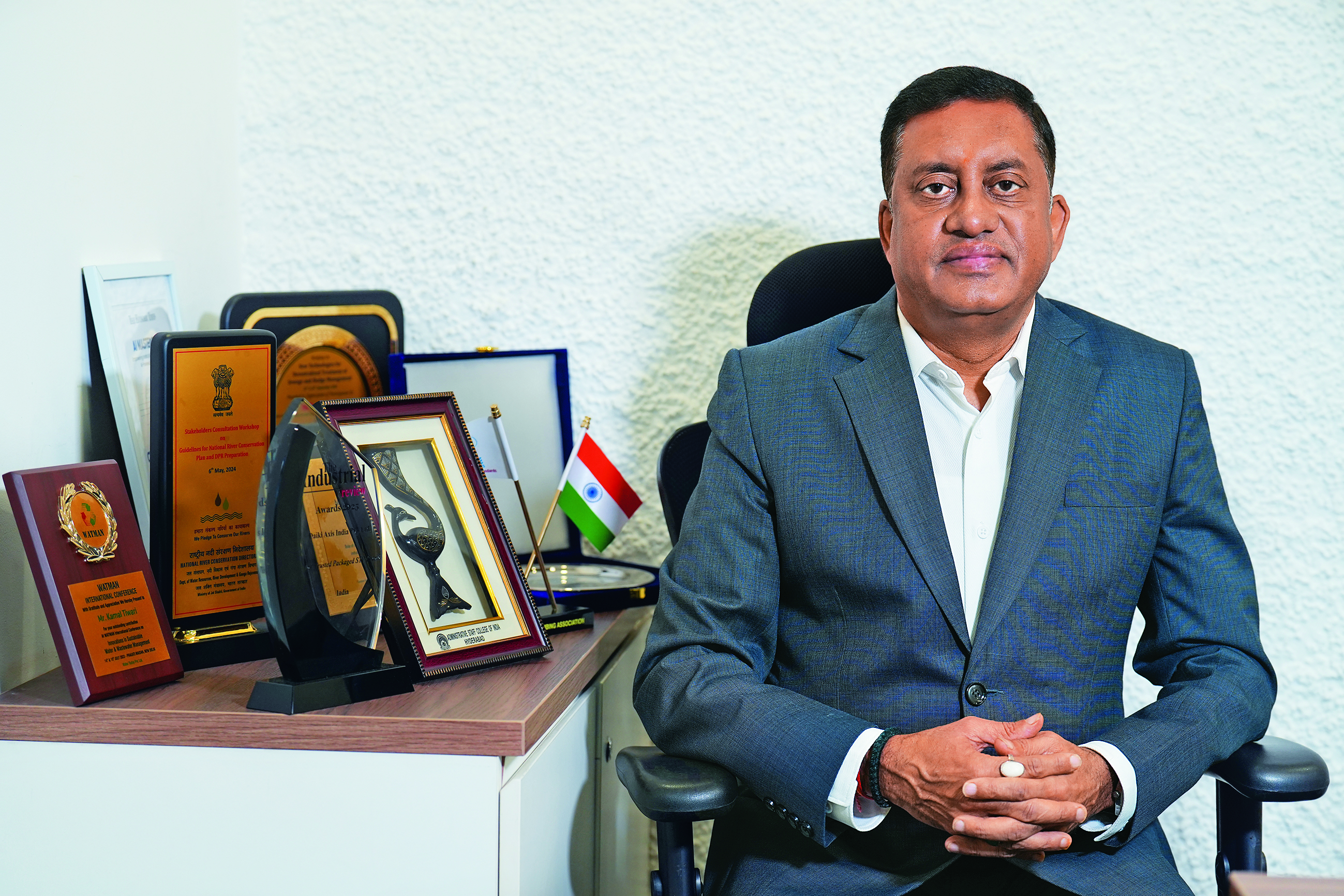
KAMAL TIWARI, Director-CEO, Daiki Axis India emphasising sanitation, pollution control and practical water reuse as integrated solutions.
Rajkumar Munda, 19, adds, “We used to practise on mud and sand, often getting injured. After coming here, everything changed.” Alongside sport, the Foundation sponsored his ITI education. “Managing studies and sport together became possible only because of this support.”
The programme’s influence extends well beyond the campus. Through outreach, it has reached over 2,500 rural and tribal youth, and has inspired further investment in sports infrastructure by the Keonjhar District Wushu Association. In building futures – not just champions – the initiative has reshaped what rural youth believe is possible.
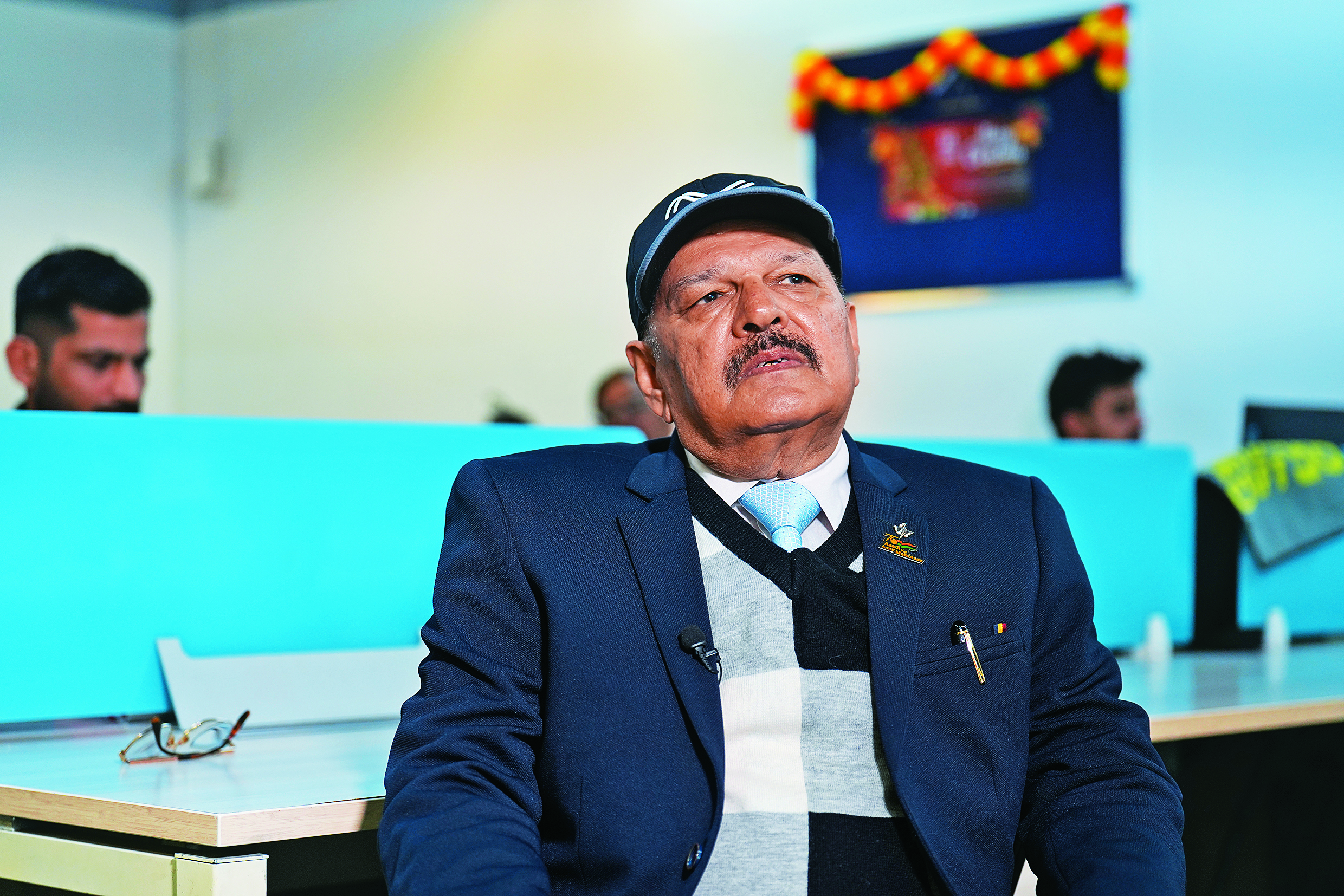
Shallu Jindal, Chairperson, Jindal Foundation
HerKadam reflects our belief that when women gain confidence, financial independence and leadership, they uplift entire communities. By bringing our initiatives together, we are helping millions of women step forward with dignity and opportunity
structured routine of therapy, recreation, and learning, and return home each afternoon visibly more confident. The centre works closely with government departments and partners such as Special Olympics Bharat to ensure holistic care and social integration
“When I joined, many children could not sit or walk properly,” says Ekta Rani, a physiotherapist. “With regular therapy, they have improved greatly. Children who once struggled to move are now attending school.”
Special educator Sumanth Kumar focuses on life skills and confidence. He recalls a child with a locomotor problem who learned Sohrai painting at the centre. “Today, he earns from his artwork and is respected in society. That is real empowerment.
Parents speak of renewed hope. “After one month, my son can walk with support and understand basic things,” says Preeti Kumari, mother of a child with cerebral palsy.
Asha: From Raigarh to a National Model
The Patratu centre forms part of a broader vision that began in August 2009 in Raigarh, Chhattisgarh. Asha – The Hope was established as a comprehensive response to the neglect experienced by children with disabilities in rural and semi-urban India.
Each Asha campus operates as a structured day-care rehabilitation centre, serving approximately 110-130 children daily and providing free transport, which is often the greatest barrier to access. Therapies are ongoing and tailored, making use of the brain’s neuroplasticity in early childhood.
Beyond therapy, Asha emphasises vocational training and sports to challenge stigma and promote independence. By the end of 2024–25, the programme had empowered more than 5,500+ differently-abled children across its centres in Chhattisgarh, Odisha, and Jharkhand.
Johkasou technology relies on multi-stage biological treatment, delivering stable output with low energy consumption, minimal maintenance and long service life. Treated water is reused safely, closing the loop between use and reuse.
Investing in Human Potential
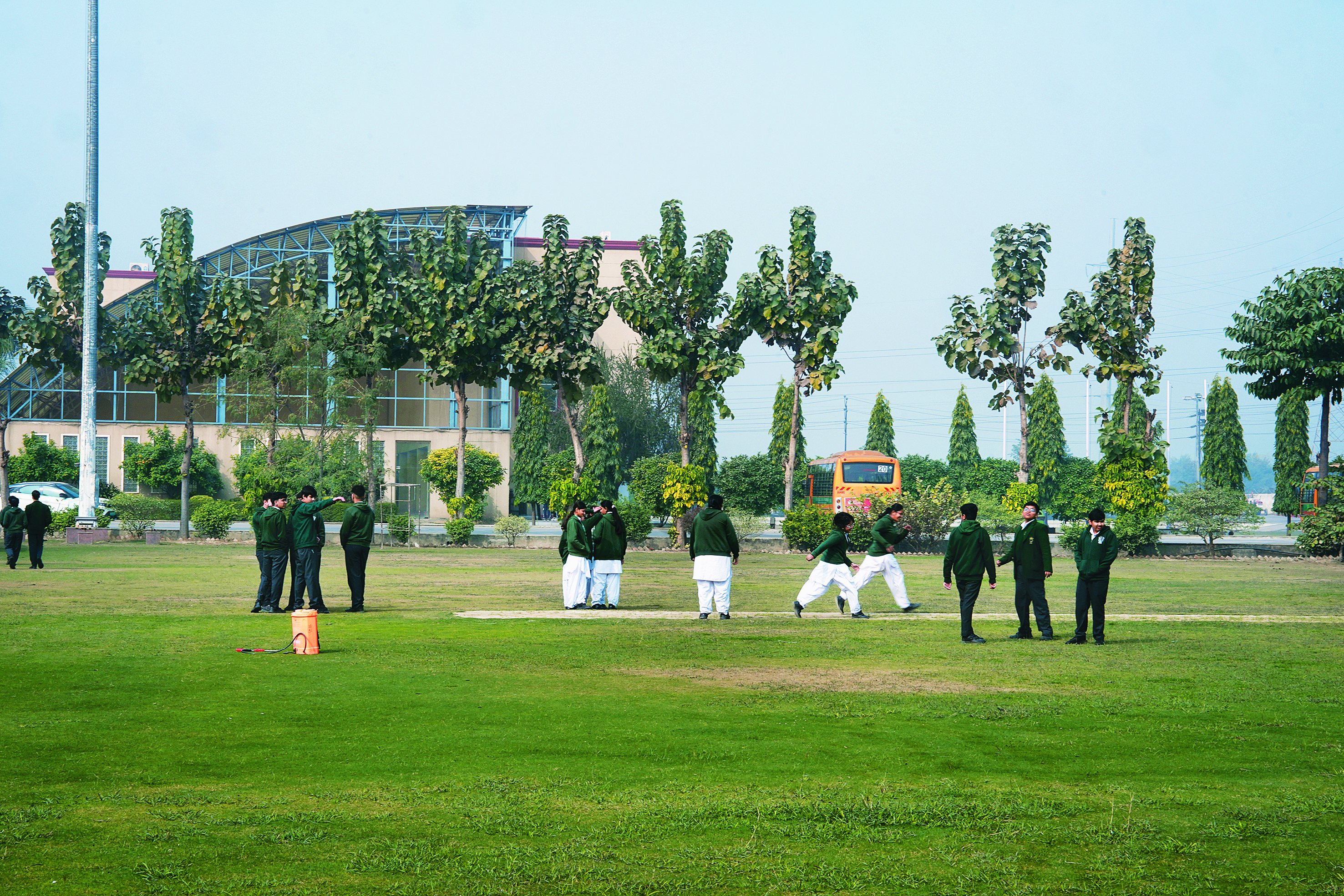
In a future where water scarcity could trigger conflict, Daiki Axis India’s CSR initiatives offer something more powerful than alarm; they offer working, visible solutions. As one farmer from Uttarakhand put it simply: “This is water we can see, use and trust.”
And in that trust lies the true impact of Daiki Axis India’s CSR initiatives - quietly proving that when wastewater is treated with care, every drop can return to life.